
Every week, our sales team receives emails from overseas buyers asking the same thing: "I got three ADSS quotes from China, and the prices are wildly different — which one should I trust?" It is a fair question. The ADSS cable market is flooded with suppliers, and without a clear framework, comparing quotes feels like guessing in the dark.
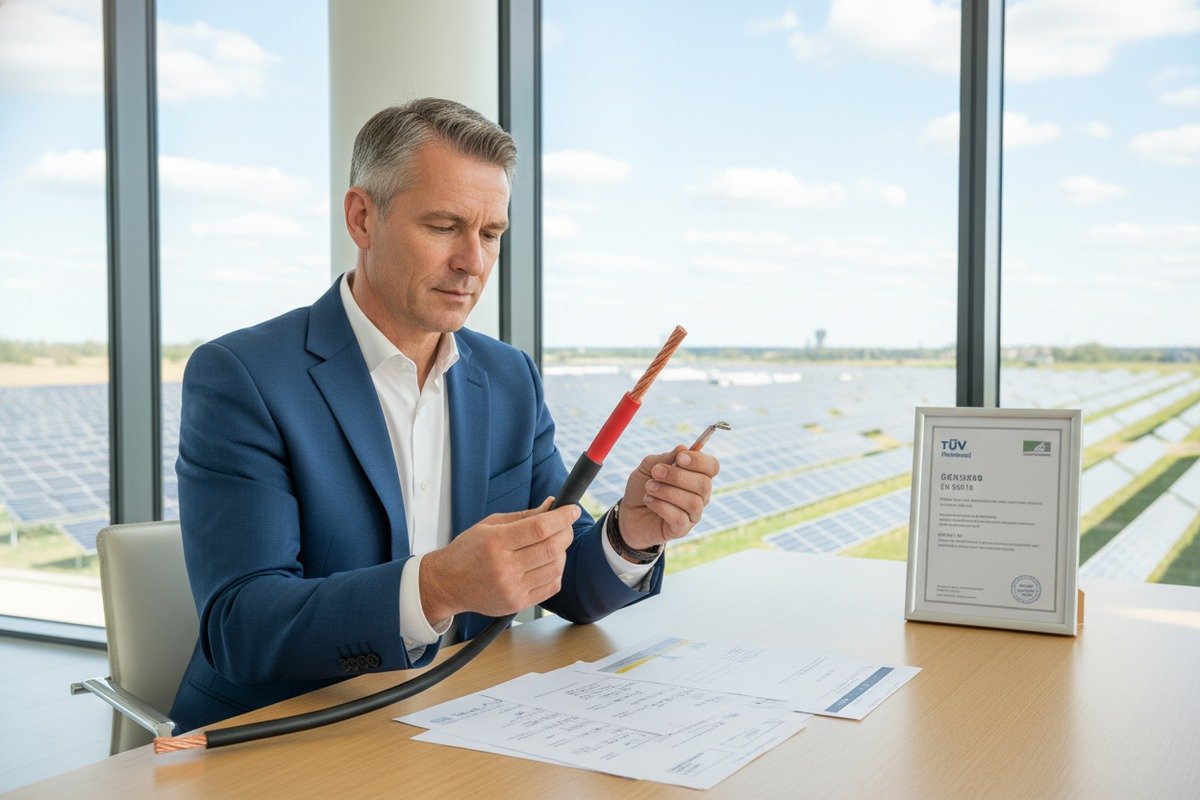
To evaluate if an ADSS fiber optic cable quote from China is reasonable, you need to cross-check the price against fiber count, span rating, aramid yarn content, jacket material, certifications, logistics terms, and realistic lead times. A quote that skips any of these details is a red flag.
This guide breaks down the four most common traps buyers fall into when comparing ADSS quotes ADSS fiber optic cable 1. We will walk through material quality, technical parameters, hidden costs, and lead time realities — all based on what we see daily from our 230,000 m² production facility.
A client in the Philippines once sent us a competitor's quote that was 40% cheaper than ours for the same 24-fiber, 200-meter span ADSS cable. When we asked for the competitor's spec sheet, the aramid yarn 2 weight was missing entirely. That quote almost cost them a failed aerial deployment.
A suspiciously low ADSS price usually means the manufacturer has reduced aramid yarn content, substituted it with cheaper FRP, or downgraded the outer jacket from AT-sheath to single-layer PE. Always request the exact aramid yarn weight per kilometer and jacket material specification in writing.
Why Aramid Yarn Content Matters So Much
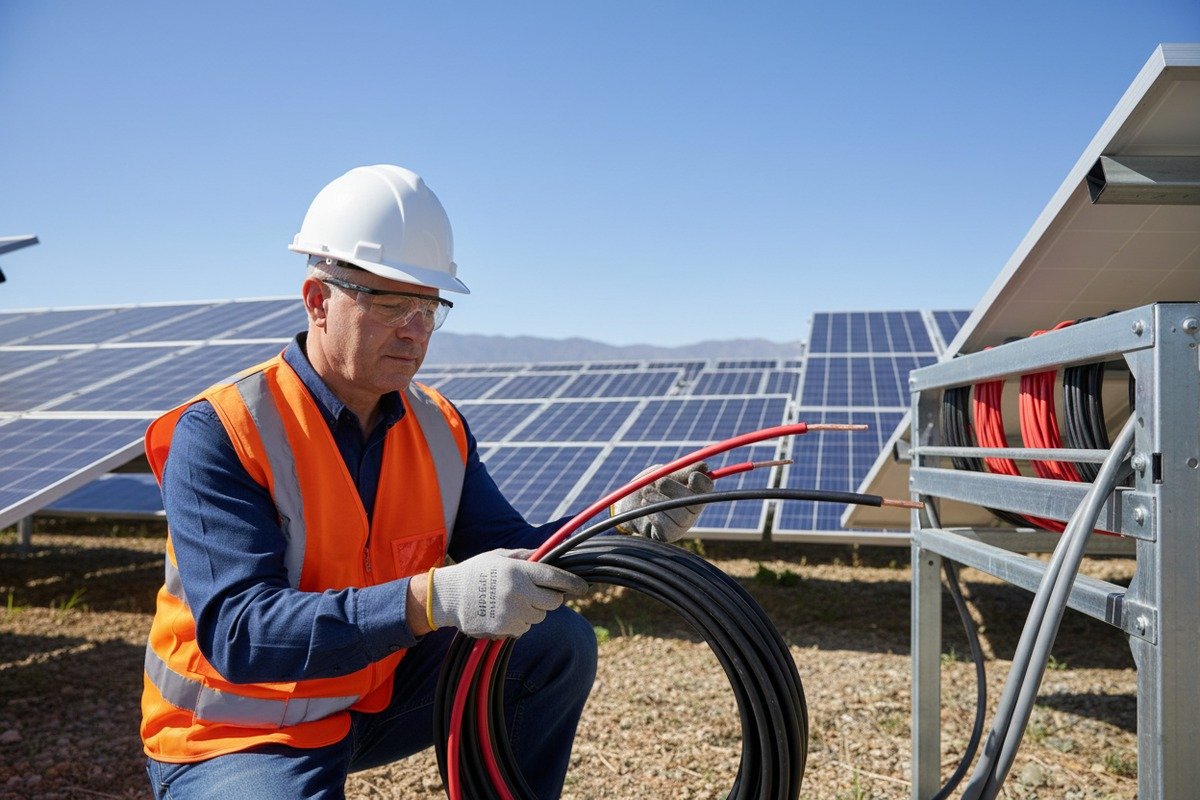
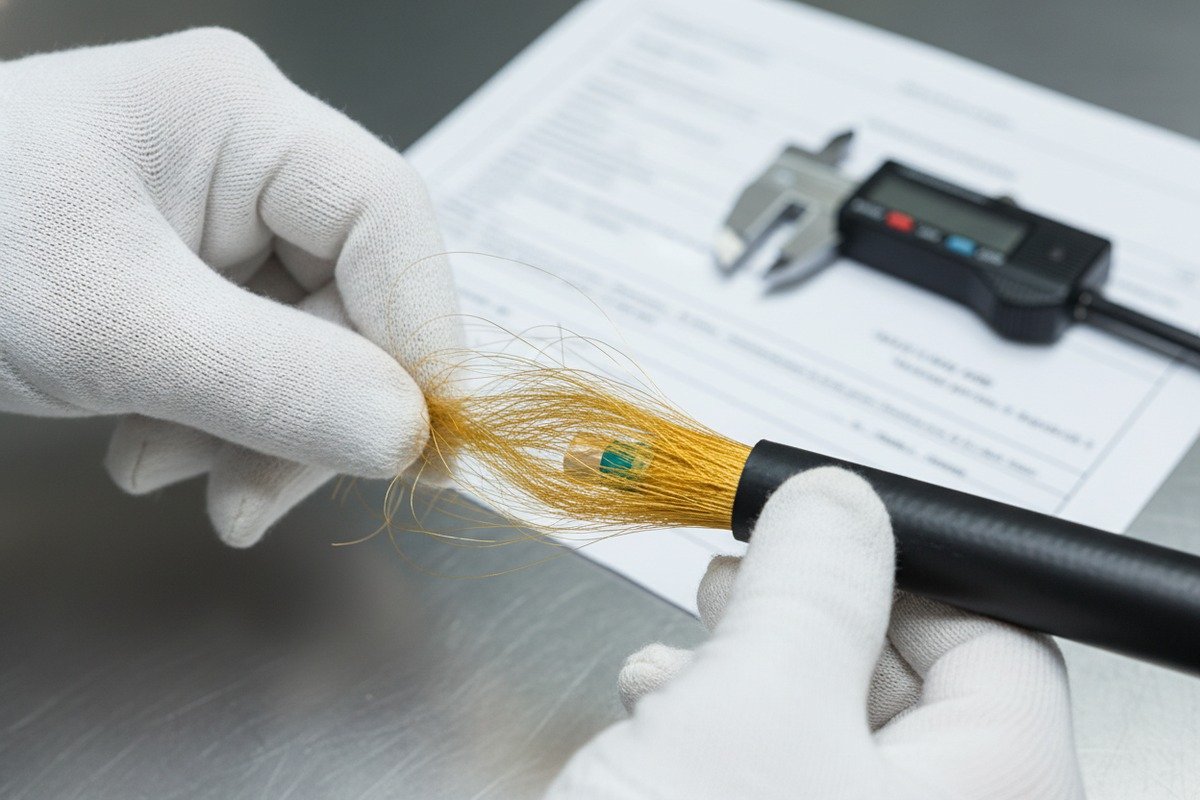
Aramid yarn (such as Kevlar or Twaron) is the most expensive raw material in an ADSS cable. It provides tensile strength 3. It holds the cable between poles. If a factory cuts back on aramid yarn, the cable cannot handle its rated span or wind load. It sags. It breaks. You get field failures.
Our engineers size the aramid yarn based on your specific span, ice loading, and wind conditions. A 100-meter span needs far less aramid than a 500-meter span. So when a supplier gives you the same price for both, something is wrong.
Single PE vs. Double PE vs. AT Jacket
The outer sheath protects the cable from UV, rain, and electrical tracking in high-voltage environments. Here is a simple comparison:
| Jacket Type | Material | Best For | Relative Cost |
|---|---|---|---|
| Single PE | Polyethylene | Low-voltage areas, short spans | Lowest |
| Double PE | Dual-layer polyethylene | Medium-voltage areas, general use | Medium |
| AT Sheath 4 | Anti-tracking compound | High-voltage corridors (>35 kV) | Highest |
If your cable runs near high-voltage transmission lines, you need an AT sheath. A supplier quoting single PE for that environment is either uninformed or cutting corners. Either way, it is a problem.
How to Spot Material Downgrading
Here are the practical steps we recommend:
- Request the aramid yarn weight in grams per kilometer. Compare it across suppliers. A big gap signals a material reduction.
- Ask for the jacket thickness in millimeters. Standard ADSS outer jackets range from 1.5 mm to 2.0 mm.
- Request a sample before placing a bulk order. Cut it open. Count the aramid bundles. Check the jacket uniformity.
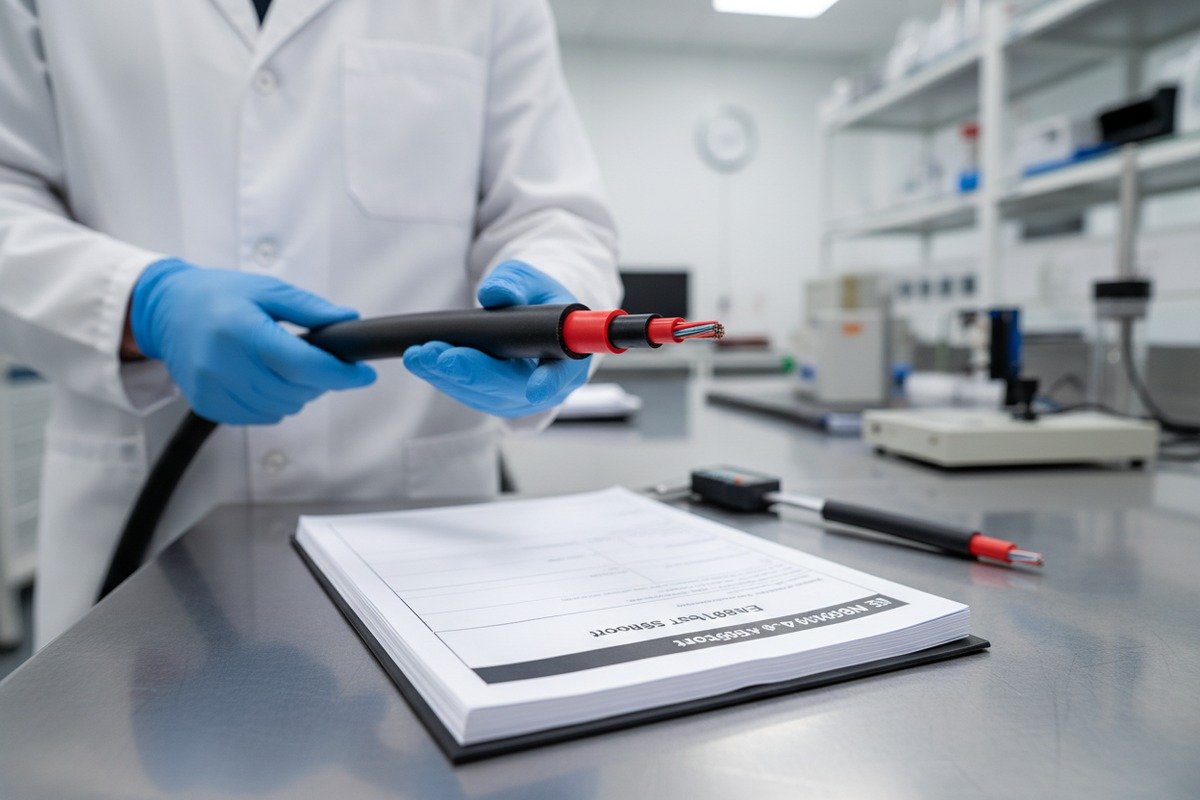
- Ask for third-party test reports. Reputable factories have reports from labs verifying tensile strength, crush resistance, and UV aging.
Fiber Quality Also Varies
Not all G.652D fiber 5 is created equal. Top-tier factories use Corning, Fujikura, or YOFC fiber. Budget factories may use unbranded or recycled fiber with higher attenuation. Ask for the fiber brand and the OTDR test report 6 for your specific production batch.
| Component | Quality Indicator | What to Ask For |
|---|---|---|
| Optical Fiber | Attenuation ≤ 0.35 dB/km at 1310 nm | Fiber brand name + OTDR report |
| Aramid Yarn | Rated tensile strength in kN | Yarn weight per km + supplier name |
| Outer Jacket | Uniform thickness, no bubbles | Jacket material spec + thickness |
| Filling Compound | Water-blocking gel in loose tubes | Gel type + water penetration test |
When we produce ADSS cables at our facility, every reel gets an OTDR test and the report ships with the cable. If a supplier cannot provide this, walk away.
What technical parameters should I verify to ensure the quote matches my specific span and tension requirements?
When our technical team reviews a customer's project, we always start with the same question: "What is your longest span, and what are the local wind and ice conditions?" Without this information, any quote is just a guess — and a dangerous one for aerial cable.
Verify fiber count, span length, maximum rated tensile strength (MRCL and UTS), cable diameter, weight per kilometer, sag performance, and environmental ratings. These parameters must match your actual route conditions, not just a generic product catalog.
Span Rating Is Not a Marketing Number
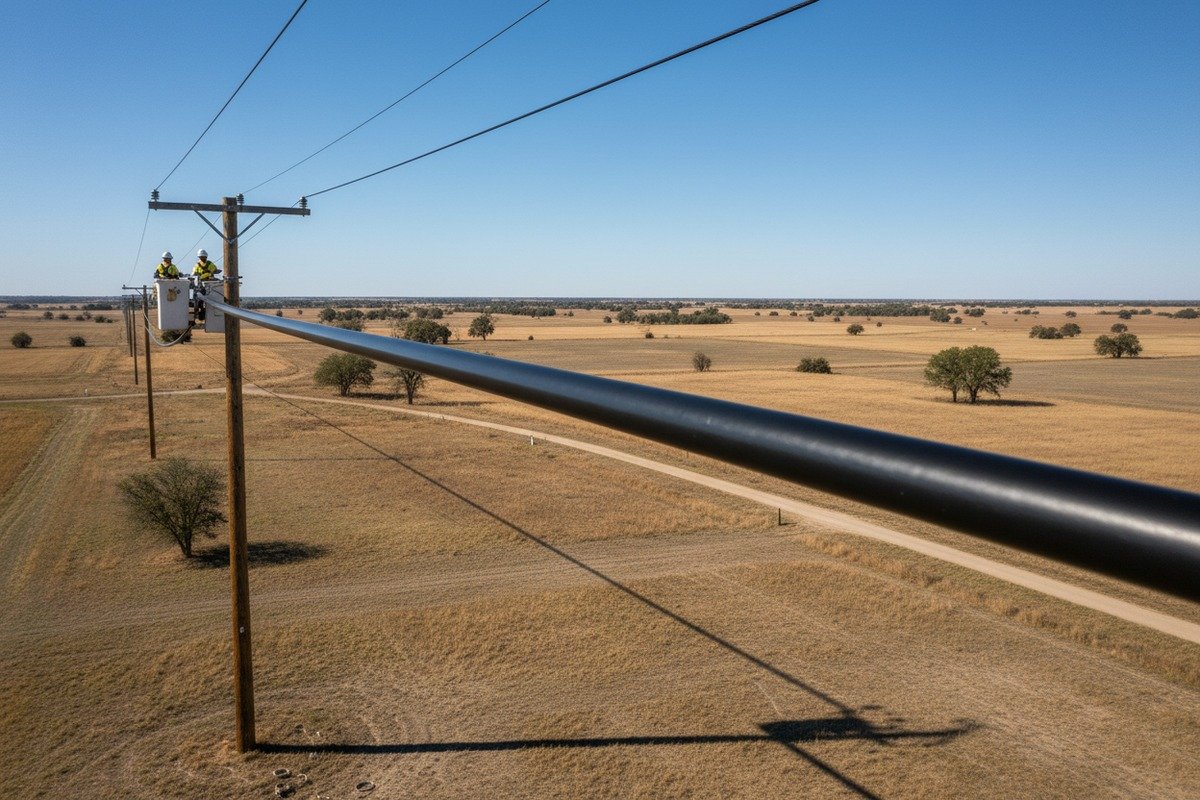
Span rating tells you the maximum distance between two support points. A cable rated for 100 meters will fail if you install it on a 200-meter span. This sounds obvious, but we have seen buyers accept a "200m span" quote only to discover the cable was actually designed for 80–120 meters.
Span capability depends on three things: aramid yarn quantity, cable weight, and the expected environmental load (wind, ice, temperature). A professional manufacturer calculates sag and tension tables for your specific conditions.
Key Parameters to Compare
| Parameter | What It Means | Typical Range |
|---|---|---|
| Fiber Count | Number of optical fibers inside | 4 to 144 cores |
| Cable Diameter | Outer diameter of the finished cable | 11 mm to 17 mm |
| Weight per km | Total cable weight | 200 kg to 450 kg |
| MRCL (Maximum Rated Cable Load 7) | Max tension during everyday conditions | 4 kN to 20 kN |
| UTS (Ultimate Tensile Strength) | Breaking point tension | 12 kN to 50 kN |
| Span Rating | Max distance between poles | 80 m to 700+ m |
| Operating Temperature | Rated temperature range | -40°C to +70°C |
How Span Affects Price
Longer spans need more aramid yarn, a heavier cable design, and stronger hardware fittings. This increases cost. A 48-fiber cable rated for 600-meter spans will cost significantly more per meter than the same fiber count rated for 100-meter spans. If two quotes for different span ratings have similar prices, one supplier is likely under-engineering the cable.
Request Sag and Tension Calculations
A credible manufacturer provides sag tables 8 showing how much the cable will droop at different temperatures and wind loads. This is critical for maintaining ground clearance. Our engineering team produces these calculations based on the customer's tower height, span distance, and local weather data.
If a supplier cannot produce sag calculations specific to your route, they are likely selling a generic product. That product may or may not work for your project. You are taking a gamble.
Fiber Type Matters for Your Network
G.652D is the standard single-mode fiber for most telecom and utility applications. G.657A1 or G.657A2 fibers handle tighter bend radii, useful in distribution networks. Some suppliers default to the cheapest option without asking about your network requirements. Always confirm the fiber type in the quote matches your design specifications.
One of our long-term customers in Brazil learned this the hard way. He chose the cheapest ADSS quote, only to find out the price was Ex-Works with no packaging specification. The wooden reels collapsed during ocean freight. Two full reels were damaged beyond use. The "savings" evaporated overnight.
Yes. Common hidden costs include wooden reel charges, reel return fees, fumigation certificates, inland trucking to the port, ocean freight surcharges, import duties, and insurance. A per-meter price comparison is meaningless unless all logistics and packaging terms are identical across quotes.

Packaging Is Not Free — And It Matters
ADSS cable ships on wooden or steel reels. The reel quality directly affects whether your cable arrives intact after weeks on a container ship. Here is what you need to know:
- Wooden reels are standard. They must meet ISPM-15 fumigation requirements 9 for international shipping. Some suppliers charge extra for fumigation-compliant reels.
- Steel reels are reusable but heavier and more expensive. Some suppliers charge a deposit and expect the reel returned — that return cost falls on you.
- Reel size depends on cable length per reel. Standard options are 2 km, 4 km, or 6 km per reel. Smaller reels mean more reels per order, which increases packaging cost.
Understanding Incoterms in Your Quote
The trade term in your quote changes the total cost dramatically. Here is a comparison:
| Incoterm | What the Supplier Covers | What You Cover |
|---|---|---|
| Ex-Works (EXW) | Product only, at factory gate | All transport, customs, insurance |
| FOB (Free on Board) | Product + inland transport to port + export customs | Ocean freight, import duties, insurance |
| CIF (Cost, Insurance, Freight) | Product + inland transport + ocean freight + insurance | Import duties, local delivery |
| DDP (Delivered Duty Paid) | Everything to your door | Nothing extra |
Many Chinese suppliers quote FOB Shenzhen or FOB Shanghai. This looks cheaper than CIF or DDP, but you still need to arrange and pay for ocean freight, insurance, and customs clearance. Always convert all quotes to the same Incoterm before comparing.
Costs Buyers Often Overlook
Here are charges that frequently surprise first-time importers:
- Inland trucking from factory to port (can be $200–$500 depending on distance)
- Port handling and documentation fees
- Fumigation certificate for wooden reels ($50–$150 per shipment)
- Container loading supervision if you want third-party inspection
- Customs broker fees at the destination port
- Demurrage charges if you are slow to pick up the container
We always recommend asking your supplier for a DDP quote alongside the FOB quote. This gives you a clear picture of the total landed cost. At our company, we regularly handle DDP shipments to the US, Southeast Asia, and Latin America, so we can provide accurate all-in pricing.
Minimum Order Quantities and Their Impact
Some suppliers offer very low MOQs — as little as 1 km. But shipping a single reel internationally is expensive per meter because freight costs are spread over fewer units. Consolidating your order to fill a 20-foot container (typically 15–25 reels depending on cable size) gives you the best freight cost per meter.
How do I confirm that the factory's quoted lead time is realistic for my project's construction schedule?
Our production line runs 24 hours a day, and even we have to carefully manage schedules when large domestic orders overlap with export commitments. A factory that promises 7-day delivery on a custom 144-fiber ADSS cable with AT sheath is either lying or pulling stock meant for another customer.
Confirm lead time by asking the factory for current production load, checking their actual annual capacity, requesting a production schedule with milestones, and building a 5–10 day buffer for quality inspection and logistics. Realistic lead times for custom ADSS cable range from 15 to 30 days.

What Affects Lead Time?
Several factors determine how quickly a factory can deliver your ADSS cable:
- Fiber count and cable design complexity. A 12-fiber standard cable is faster to produce than a 96-fiber cable with AT sheath and custom color coding.
- Current factory workload. Chinese factories often prioritize large domestic telecom projects. Your export order may sit in a queue.
- Raw material availability. Aramid yarn, optical fiber, and PE compounds have their own supply chains. Shortages happen.
- Testing and QC time. A full OTDR test, mechanical testing, and documentation package for export adds 2–3 days.
- Custom markings and certifications. If you need specific printing on the jacket (meter marks, company name, standard references), this requires setup time.
Realistic Lead Time Ranges
| Order Type | Fiber Count | Jacket Type | Expected Lead Time |
|---|---|---|---|
| Stock item | 12–24 core | Single/Double PE | 15–20 days |
| Standard custom | 48 core | Double PE | 20–25 days |
| Complex custom | 96–144 core | AT sheath | 25–35 days |
| Urgent/rush order | Any | Any | 10–15 days (premium charge) |
These ranges assume raw materials are available and the factory is not at peak capacity. During Q4, when Chinese infrastructure spending accelerates, lead times can stretch by 1–2 weeks.
How to Protect Your Construction Schedule
Here is what we recommend to our customers:
- Get the lead time in the contract. A verbal promise means nothing. Include a delivery date with penalty clauses for delays.
- Request a production schedule. A serious factory can provide a timeline showing fiber drawing, stranding, jacketing, testing, and packing milestones.
- Ask about current capacity utilization. If the factory is running at 90% capacity, your order will likely be delayed. Our facility has an $800 million annual production capacity, so we can absorb large orders without disrupting schedules.
- Plan for inspection time. If you are using a third-party inspection service (like SGS or Bureau Veritas), add 3–5 days for their visit and reporting.
- Book your freight early. Ocean freight schedules from China fluctuate. A 15-day production lead time means nothing if you cannot get a container for another 3 weeks.
The Danger of Unrealistically Short Lead Times
A factory quoting 5–7 days on a custom ADSS cable may be doing one of three things: shipping leftover stock that does not match your specs, pulling cable from another customer's order, or planning to start your order after you pay but not actually delivering on time. Any of these scenarios creates risk for your project.
Ask the supplier directly: "Is this cable being manufactured to my specifications, or is it existing inventory?" The answer tells you a lot.
Communication During Production
Strong factories provide production updates. At our facility, we send photos and test data at key milestones — after fiber coloring, after stranding, after jacketing, and after final testing. This keeps the buyer informed and catches problems early. If a factory goes silent after receiving your deposit, that is a warning sign.
Conclusion
Evaluating ADSS cable quotes from China comes down to four things: material honesty, technical accuracy, total landed cost, and realistic timelines. Compare specifications — not just prices — and work with manufacturers who answer your engineering questions before asking for your money.
Footnotes
1. Provides a comprehensive overview of ADSS fiber optic cable, its construction, and applications. ↩︎
2. Found a relevant article on the application of aramid fiber in optical cables. ↩︎
3. Found a working and relevant article on tensile strength from the original domain. ↩︎
4. Found an article specifically detailing the difference between AT Sheath and PE Sheath in ADSS cables. ↩︎
5. Found a working and relevant article on G.652D fiber from the original domain. ↩︎
6. Found a relevant article from the original domain explaining OTDR testing and interpreting results, which covers the concept of an OTDR test report. ↩︎
7. Found a comprehensive article detailing the main technical parameters of ADSS cables, including rated tensile strength and maximum allowable tension, which are components of 'Maximum Rated Cable Load'. ↩︎
8. Found an article explaining how much a catenary sags, which is relevant to 'sag tables'. ↩︎
9. Found an authoritative and direct replacement from the IPPC website for ISPM-15 regulations. ↩︎
10. Provides an official overview of Incoterms rules, defining responsibilities for international trade transactions. ↩︎