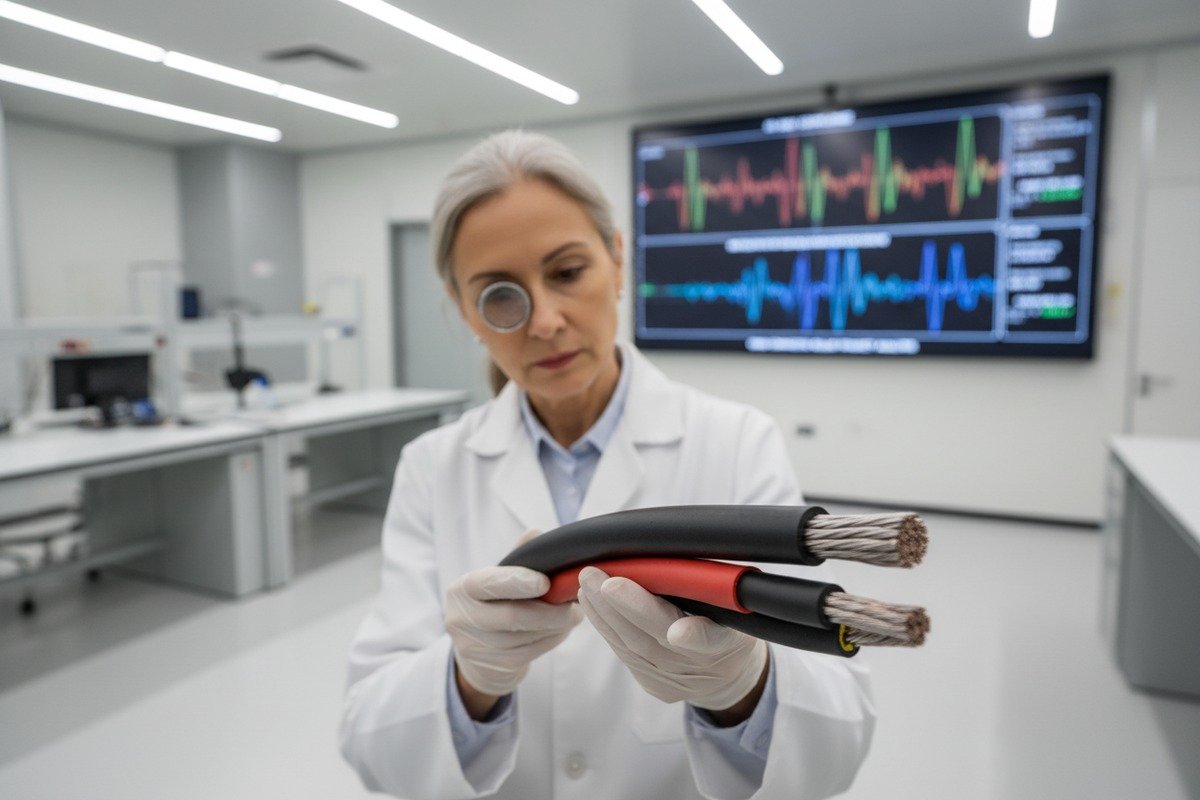
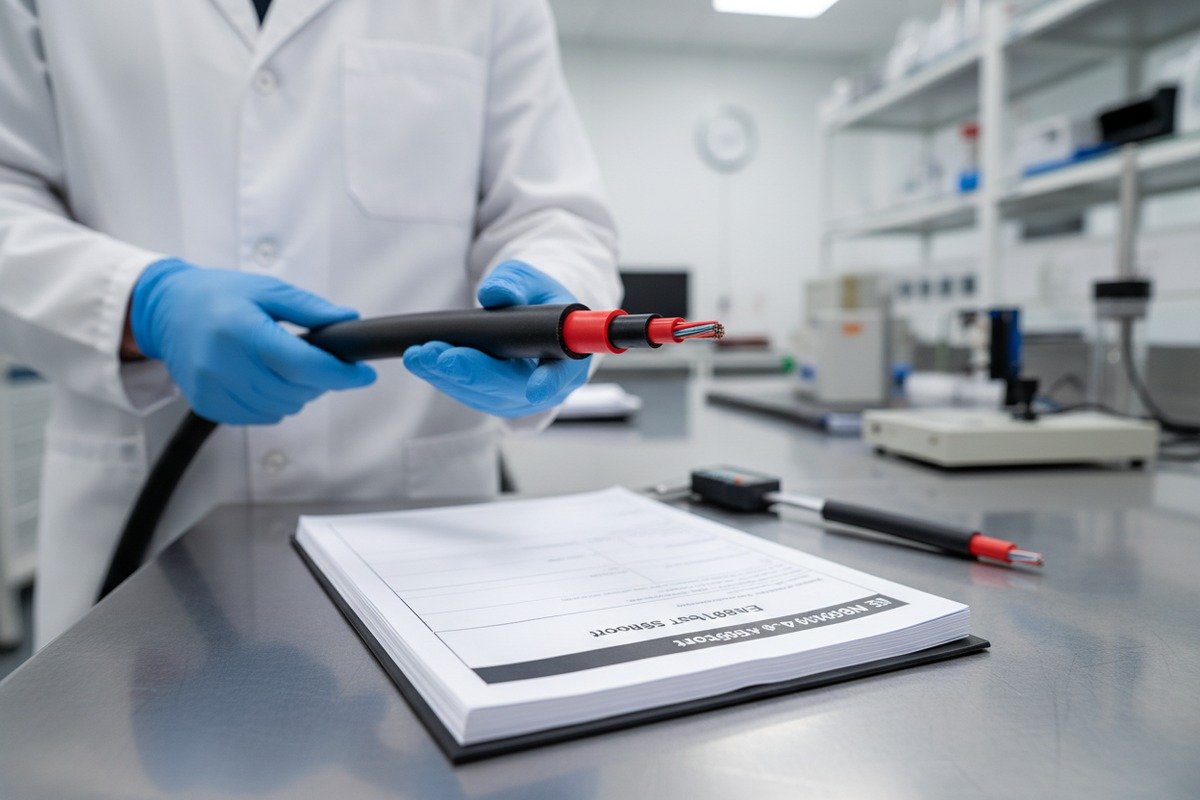
Every year, our technical team reviews field failure reports from solar farms worldwide EN 50618 certificates 1. One pattern keeps repeating: cables that looked perfect on paper degraded within five years because nobody verified their chemical resistance before installation.
To verify solar PV cable acid, alkali, and chemical resistance during procurement, request batch-specific test reports per EN 60811-404, confirm TÜV or third-party certifications explicitly covering chemical immersion tests, verify XLPO material traceability, and conduct supplier audits to ensure consistent cross-linked polyolefin quality across production runs.
This guide walks you through the exact steps, standards, and red flags you need to know. Whether you are an EPC procurement manager sourcing cables for a European solar farm or a distributor building a reliable supply chain, the details below will help you avoid costly mistakes.
How do I confirm that the TUV or EN50618 certificates actually cover rigorous acid and alkali resistance tests?
We have seen procurement teams accept a TÜV logo on a datasheet without ever reading what the certificate actually covers. That single oversight has led to rejected shipments and project delays worth hundreds of thousands of euros.
To confirm TÜV or EN 50618 certificates cover acid and alkali resistance, verify the certificate scope explicitly references EN 60811-404 chemical immersion testing. Cross-check the certificate number on the TÜV online database, and request the full test report showing numeric results for tensile retention and weight change after acid and alkali exposure.

Why a Logo Is Not Enough
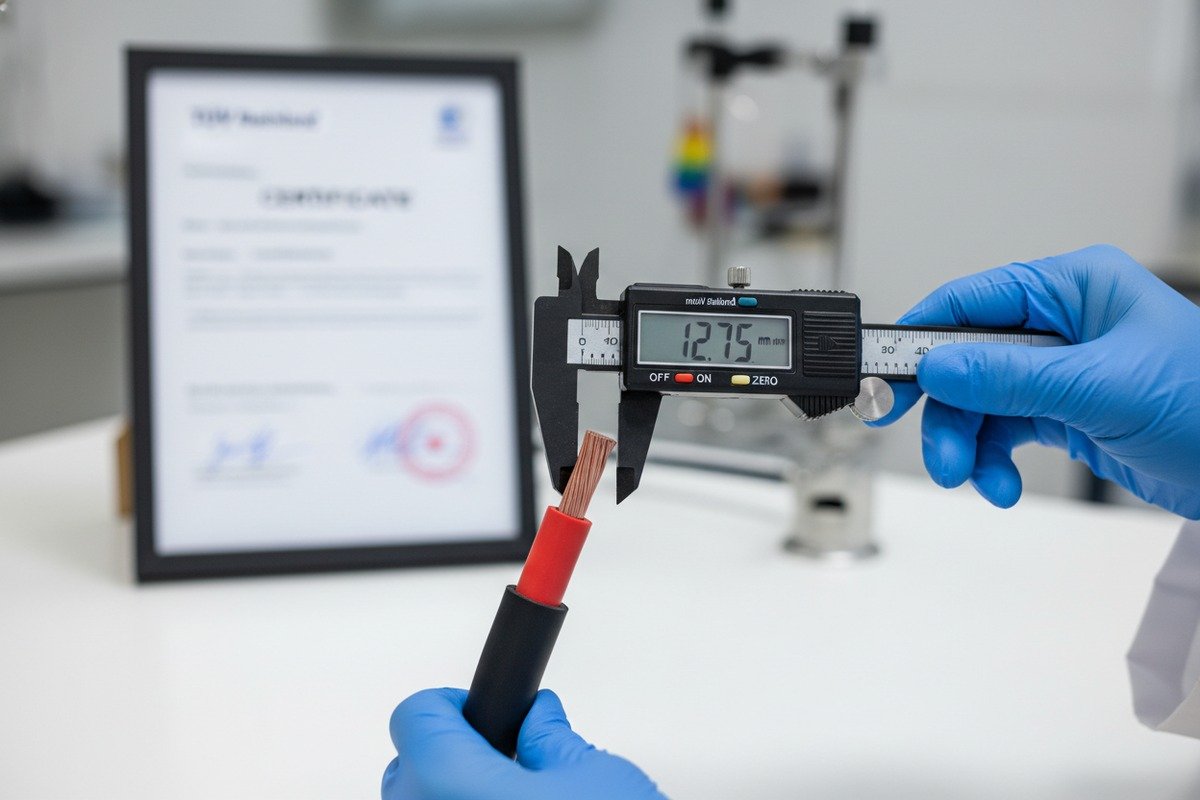
A TÜV mark on a cable drum tells you very little by itself. TÜV certifications 2 come in different scopes. Some cover only electrical performance. Others include the full suite of mechanical, environmental, and chemical tests. The certificate document itself lists which standards and sub-tests were performed. If EN 60811-404 3 is not explicitly mentioned, the cable may never have been tested for acid or alkali resistance.
How to Read the Certificate Scope
When our quality team reviews certificates for customers, we follow a simple process. First, locate the certificate number. Then go to the TÜV Rheinland 4 or TÜV SÜD online portal and search that number. The database entry shows the exact product model, the applicable standard (e.g., EN 50618:2014), and the list of referenced test methods. Look for EN 60811-404 in that list. If it is missing, ask the supplier why.
Key Tests Within EN 50618
EN 50618 does not just test one thing. It bundles multiple sub-tests to ensure a cable can survive 25+ years outdoors. Here is a breakdown:
| Test Category | Reference Standard | What It Measures |
|---|---|---|
| Acid and alkali resistance | EN 60811-404 | Weight change, tensile retention after chemical immersion |
| Ozone resistance | EN 60811-403 | Crack formation under ozone exposure |
| UV resistance | EN 50618 Annex E | Mechanical retention after UV aging |
| Halogen-free combustion | EN 60754-1 | HCl gas emission during burning |
| Thermal endurance | EN 60216 series | Insulation life at elevated temperatures |
Red Flags to Watch For
If a supplier provides only a "declaration of conformity" instead of an actual TÜV certificate, that is a warning sign. Declarations are self-issued. They carry no third-party verification weight. Also watch for expired certificates. TÜV certificates have validity periods, typically three to five years. An expired certificate means the product has not been re-evaluated against current standards.
At our facility, every H1Z2Z2-K and EN 50618 cable batch is produced under active TÜV surveillance. We encourage buyers to verify this directly with the certification body rather than relying solely on documents we provide.
What specific XLPO material properties should I look for to ensure my cables survive in chemically aggressive soil?
When our R&D engineers develop insulation compounds for projects in industrial zones or coastal regions, they start with the soil chemistry data. Without knowing what chemicals are in the ground, you cannot pick the right material.
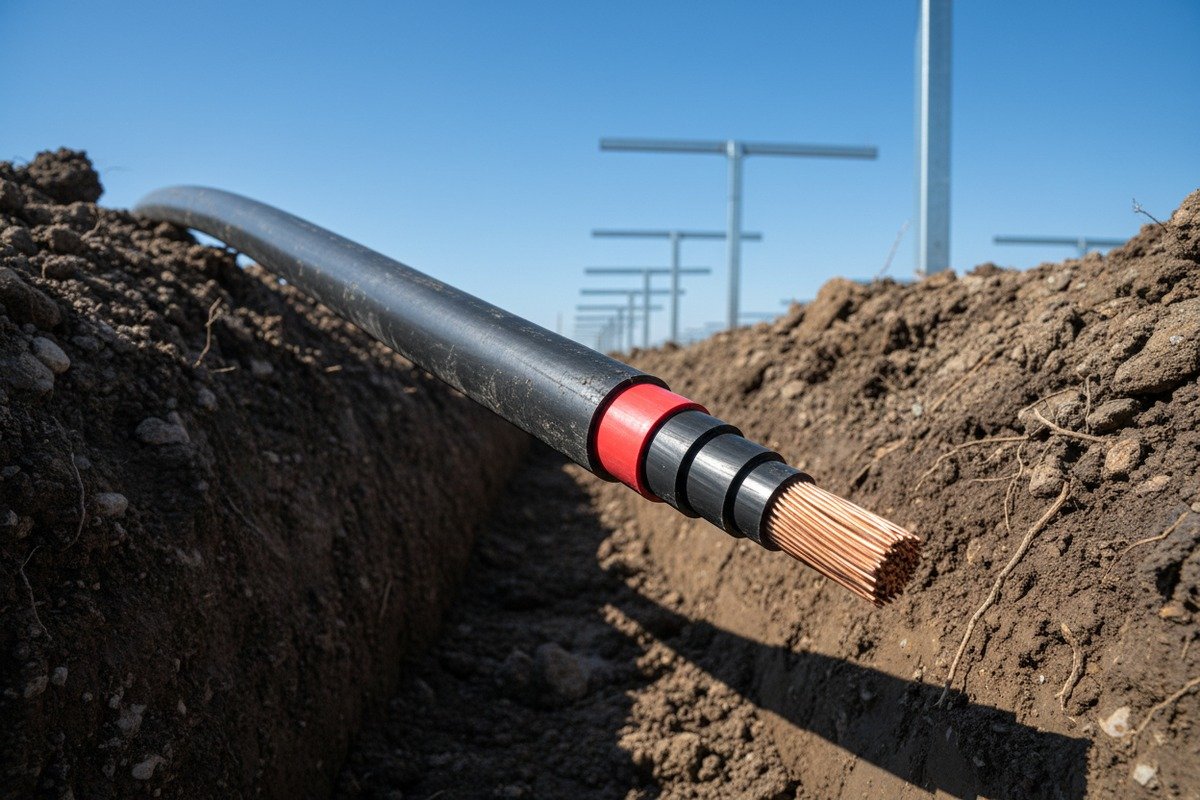
For chemically aggressive soil, look for XLPO (cross-linked polyolefin) insulation with a crosslinking degree above 70%, verified chemical immersion results showing less than 10% weight change in dilute sulfuric acid and sodium hydroxide, halogen-free composition, and a continuous operating temperature range of –40°C to +120°C for long-term underground stability.
Why XLPO Outperforms Standard PVC and PE
Standard PVC insulation absorbs moisture and reacts with acids over time. Standard polyethylene 6 cracks under UV and thermal stress. XLPO solves both problems. The cross-linking process creates molecular bonds between polymer chains. These bonds resist chemical attack, heat deformation, and environmental aging far better than non-cross-linked alternatives.
Critical Material Properties to Verify
Here are the specific properties you should request from your supplier's material datasheet:
| Property | Target Value | Test Method |
|---|---|---|
| Crosslinking degree 7 | ≥ 70% | EN 60811-507 (hot set test) |
| Tensile strength retention after acid immersion | ≥ 80% | EN 60811-404 |
| Elongation at break after alkali immersion | ≥ 80% of original | EN 60811-404 |
| Weight change after 168h chemical immersion | ≤ 10% | EN 60811-404 |
| Halogen content | 0% (halogen-free) | EN 60754-1 |
| Temperature range | –40°C to +120°C | IEC 62930 |
| Water absorption (70°C, 168h) | ≤ 5 mg/cm² | EN 60811-402 |
Understanding Crosslinking Degree
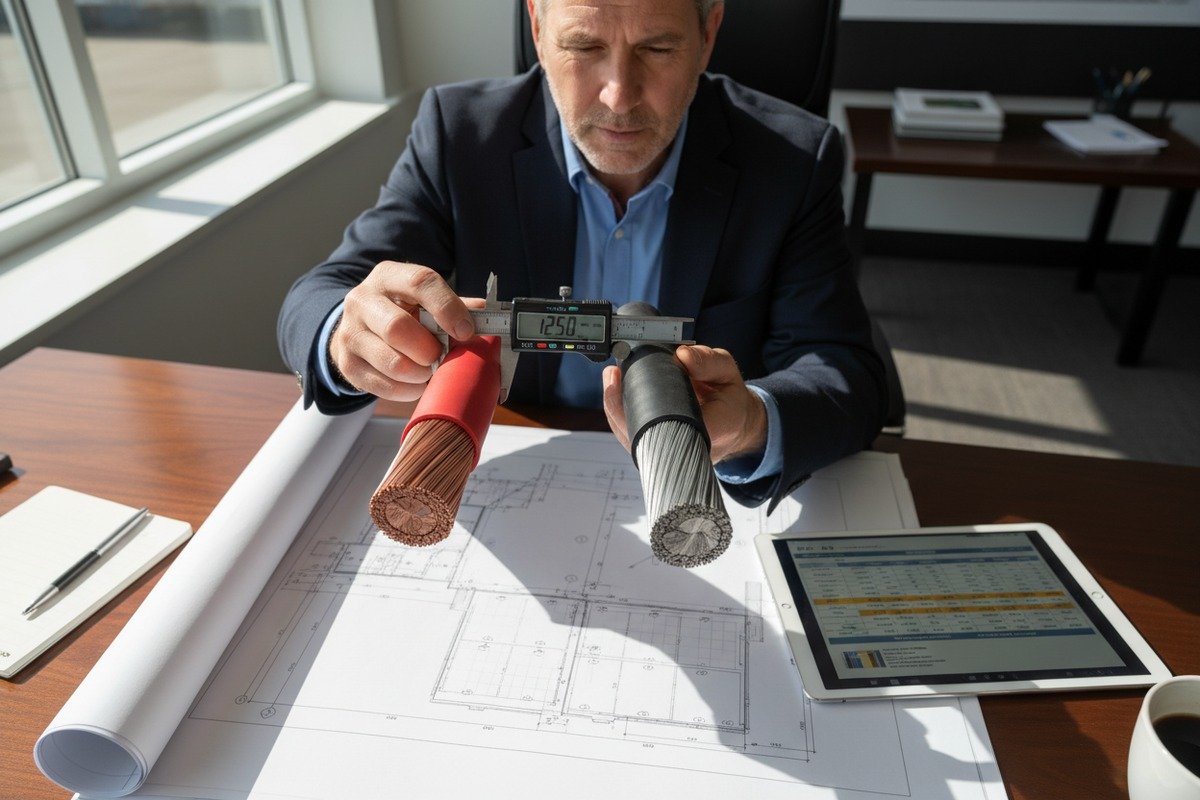
The crosslinking degree is one of the most important numbers. It tells you how thoroughly the polymer chains are bonded. A low crosslinking degree means the insulation will soften under heat and swell when exposed to chemicals. Our production lines use electron-beam or silane crosslinking processes calibrated to achieve consistent 70%+ crosslinking across every meter of cable.
Soil Chemistry Considerations
Not all chemically aggressive soils are the same. Agricultural land may contain ammonia and nitrate fertilizers. Industrial brownfield sites may have residual hydrocarbons and sulfuric acid 8. Coastal installations face salt and chloride exposure. Before you select a cable, get a soil analysis from the project site. Then match those chemicals against the supplier's immersion test data.
If the supplier cannot provide specific data for the chemicals present at your site, that is a gap in their testing. You can request a custom immersion test. At our lab, we have performed custom tests for clients in the Middle East dealing with high-salinity desert soil and for clients in Southeast Asia dealing with acidic peat soils.
The Role of the Sheath
Do not ignore the outer sheath. Even if the insulation is high-quality XLPO, a weak sheath lets chemicals reach the insulation faster. The sheath should also be LSZH (low-smoke zero-halogen) cross-linked polyolefin 9. Check that the sheath's chemical resistance data is documented separately from the insulation data.
How can I verify that my supplier isn't using inferior insulation that will degrade under chemical exposure?
Our export team fields this question from European EPC buyers almost every week. The concern is real. Some manufacturers substitute cheaper compounds after initial certification, and the degradation only shows up years later in the field.
To verify insulation quality, demand raw material traceability documents linking polymer batches to cable production lots, request third-party lab reports from accredited facilities rather than in-house tests only, conduct unannounced factory audits, and compare hot-set test results across multiple shipments to detect inconsistencies in crosslinking degree.

The Problem of Post-Certification Material Substitution
This is the dirty secret of cable manufacturing. A supplier passes TÜV certification with premium XLPO compound. Then, to cut costs, they quietly switch to a cheaper compound for regular production. The cable looks identical. The markings are the same. But the chemical resistance is drastically lower. The only way to catch this is through ongoing verification.
Step-by-Step Supplier Verification Process
Step 1: Request raw material certificates. Every polymer compound comes with a batch certificate from the chemical supplier (e.g., Borealis, DOW, or similar). Ask your cable supplier for these certificates. They should match the compound specified in the TÜV type-test report.
Step 2: Compare hot-set test results. The hot-set test (EN 60811-507) is a quick and reliable indicator of crosslinking quality. Request hot-set results from at least three different production batches. If the numbers vary widely, the process is not stable.
Step 3: Request third-party verification. Do not rely solely on the supplier's in-house lab. Ask for test reports from an independent, ISO 17025 accredited laboratory. At our facility, we routinely send samples to external labs and share results with clients who request them.
Step 4: Conduct a factory audit. Visit the factory or send an independent inspector. Check the raw material warehouse. Are the polymer bags labeled? Do the labels match the certificates? Is there a clear material tracing system from incoming inspection to finished cable?
What to Look for During an Audit
| Audit Checkpoint | What to Verify | Warning Sign |
|---|---|---|
| Raw material storage | Labeled bags, FIFO system, temperature control | Unlabeled bags, mixed compounds |
| Incoming material inspection | Test records for each polymer batch | No incoming inspection records |
| Extrusion line parameters | Temperature profiles match process specifications | Frequent manual overrides |
| Crosslinking verification | Hot-set tests per production shift | Tests only done weekly or monthly |
| Finished product testing | Batch-linked test reports with numeric data | Only pass/fail markings |
| Traceability system | Unique lot numbers linking cable drums to material batches | No lot tracking system |
Long-Term Monitoring
Even after initial verification, do not stop checking. Request that every shipment includes a production lot number and a test summary linked to that lot. Build a database of these results over time. If quality drifts, you will see it in the numbers before you see it in the field.
We maintain a full digital traceability system at our 230,000 m² facility. Every drum of H1Z2Z2-K or EN 50618 cable we ship carries a unique lot code that links back to the raw material batch, extrusion parameters, and test results. This is not an extra service. It is standard practice for any manufacturer serious about quality.
Can I demand a batch-specific chemical resistance test report before my project shipment leaves the factory?
In our experience exporting to Germany, the Netherlands, and other European markets, the most meticulous buyers always ask for batch-specific reports. They know that a type-test certificate from three years ago does not guarantee that today's production batch meets the same standard.
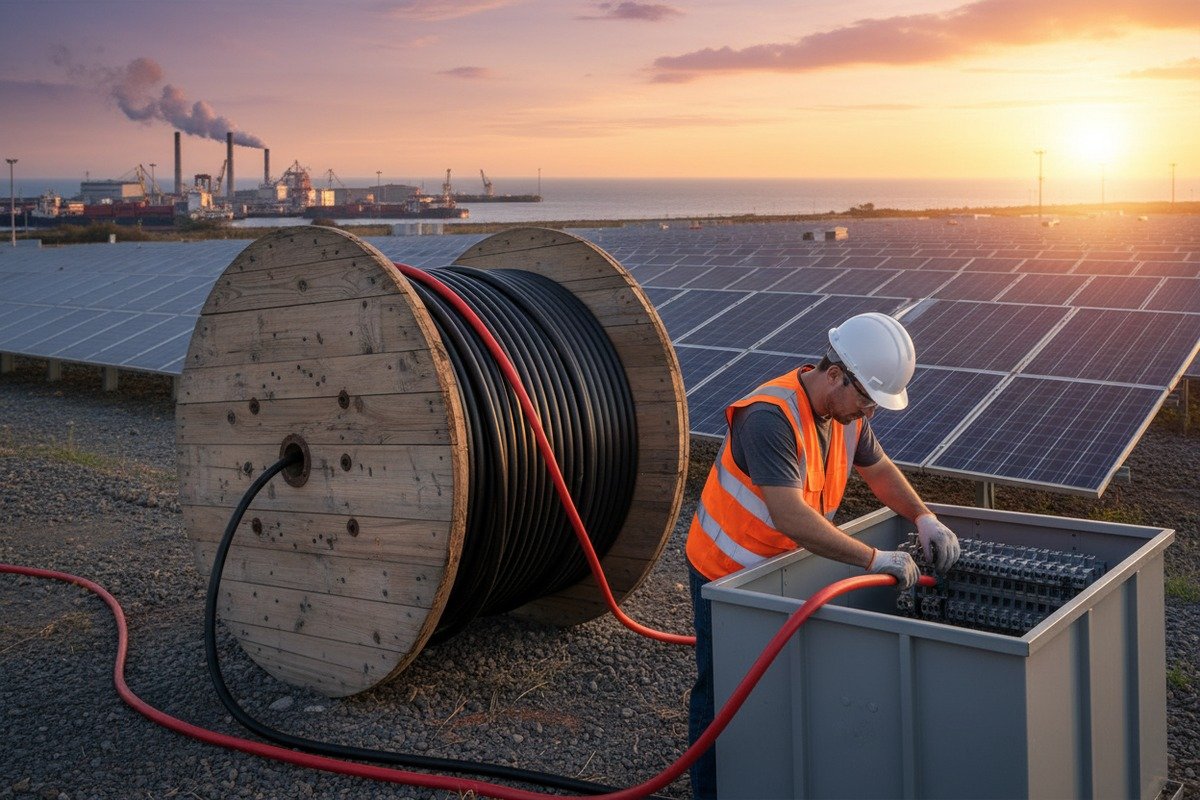
Yes, you can and should demand batch-specific chemical resistance test reports before shipment. Specify this requirement in your purchase contract and RFQ. The report should include immersion test results per EN 60811-404 with numeric data for tensile retention, elongation change, and weight change, all linked to the specific production lot number on your cable drums.
What Should a Batch-Specific Report Contain?
A proper batch-specific report is not a one-page summary with checkmarks. It should contain numeric test results that you can compare against the standard's pass/fail thresholds. Here is what to look for:
- Production lot number matching the cable drum labels
- Date of manufacture and date of testing
- Test method reference (e.g., EN 60811-404)
- Chemical used (e.g., 2% sulfuric acid, 20% sodium hydroxide)
- Immersion duration and temperature (e.g., 168 hours at 23°C)
- Pre-exposure values for tensile strength and elongation at break
- Post-exposure values for the same properties
- Percentage change calculated and compared to the standard's limit
How to Include This in Your Purchase Contract
Do not leave this as a verbal agreement. Write it into the contract. Here is a sample clause structure:
"Seller shall provide, for each production lot included in the shipment, a chemical resistance test report per EN 60811-404. The report shall include numeric results for tensile strength retention 10, elongation retention, and weight change after immersion in [specified chemicals]. Results shall be linked to the specific lot number marked on each cable drum. Shipment shall not proceed until Buyer approves the reports."
The Cost and Time Reality
Some buyers worry that batch-specific testing will delay their shipment. The acid and alkali immersion test per EN 60811-404 typically requires 168 hours (7 days) of immersion plus sample preparation and measurement time. Plan for approximately 10 days of testing time. At our factory, we build this into our standard 15–20 day lead time for stock items. For custom orders, we communicate the testing schedule upfront so there are no surprises.
What If the Supplier Refuses?
If a supplier refuses to provide batch-specific chemical resistance reports, consider it a serious red flag. They may not have the testing equipment. They may not want you to see the actual numbers. Or their production quality may be inconsistent. In any of these cases, you should look for an alternative supplier.
We have invested in a fully equipped in-house testing lab specifically so that we can provide these reports as a standard part of our shipment documentation. For clients who want additional assurance, we also facilitate third-party testing at independent laboratories and share the results directly.
Practical RFQ Template Additions
When you send your next RFQ for solar PV cables, include the following line items:
- Batch-specific test report per EN 60811-404 (acid and alkali immersion)
- Hot-set test results per EN 60811-507 for each production lot
- Raw material compound certificate with batch traceability
- Third-party lab option for independent verification at buyer's cost
- Digital traceability code linking each drum to all test documentation
This level of documentation is standard for projects in Germany, the Netherlands, and Australia. It should be standard everywhere.
Conclusion
Verifying chemical resistance in solar PV cables requires checking certificate scopes, demanding numeric test data, auditing material traceability, and writing batch-specific reporting requirements into every purchase contract. Your 25-year investment depends on it.
Footnotes
1. Explains the scope and requirements of the BS EN 50618 standard for PV cables. ↩︎
2. Explains the general conditions and procedural guidelines for TÜV certification. ↩︎
3. Defines the standard for mineral oil immersion tests for cable sheaths. ↩︎
4. Direct link to the official TÜV Rheinland organization for certificate verification. ↩︎
5. Explains how the scope of TÜV certification is identified and defined. ↩︎
6. PubChem provides detailed chemical structure and property information for polyethylene. ↩︎
7. Explains the definition and impact of cross-linking degree on material properties. ↩︎
8. PubChem offers comprehensive chemical and safety data on sulfuric acid. ↩︎
9. Provides a general definition and explanation of cross-linking in polymers. ↩︎
10. Defines tensile strength retention as a measure of material's original pulling resistance after exposure. ↩︎