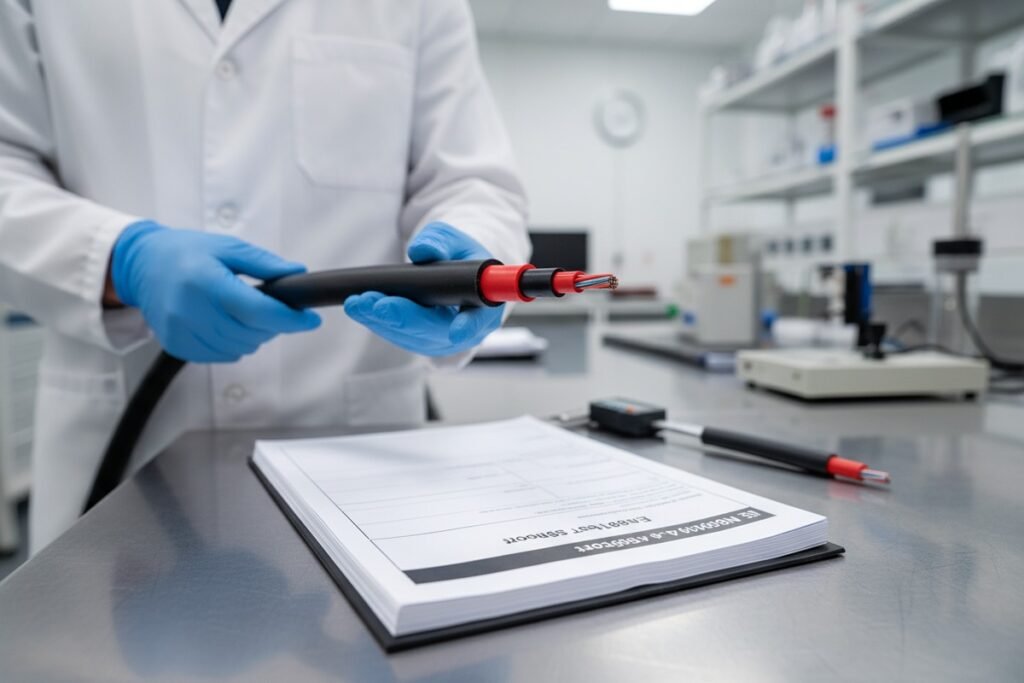
How to Verify Solar PV Cable Acid, Alkali, and Chemical Resistance During Procurement?
To verify solar PV cable acid, alkali, and chemical resistance during procurement, request batch-specific test reports per EN 60811-404, confirm TÜV or third…
To verify solar PV cable acid, alkali, and chemical resistance during procurement, request batch-specific test reports per EN 60811-404, confirm TÜV or third…
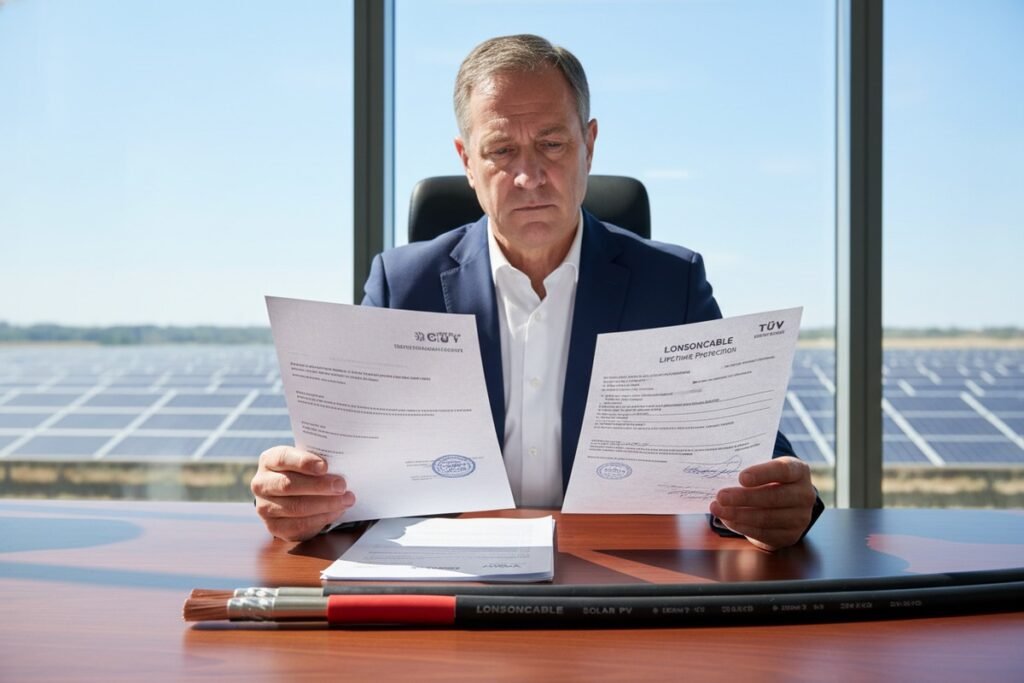
To evaluate solar PV cable insulation aging for high-temperature environments, buyers should verify XLPO or XLPE insulation quality through certified acceler…
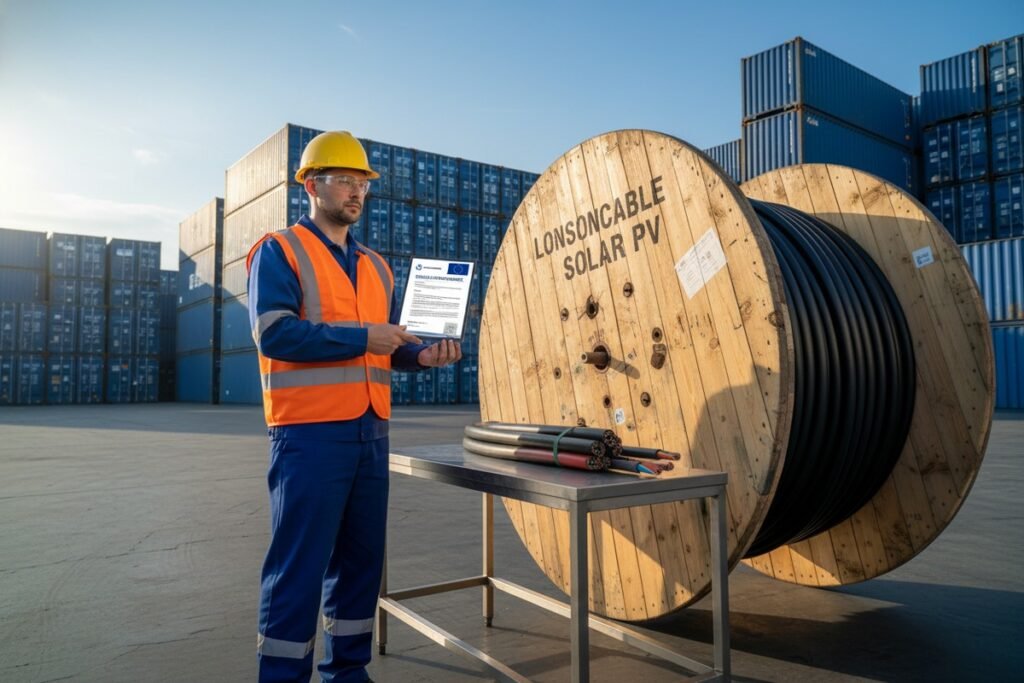
To ensure solar PV cables from China meet EU CPR standards, buyers must verify authentic TUV and CE certifications, demand valid Declarations of Performance,…
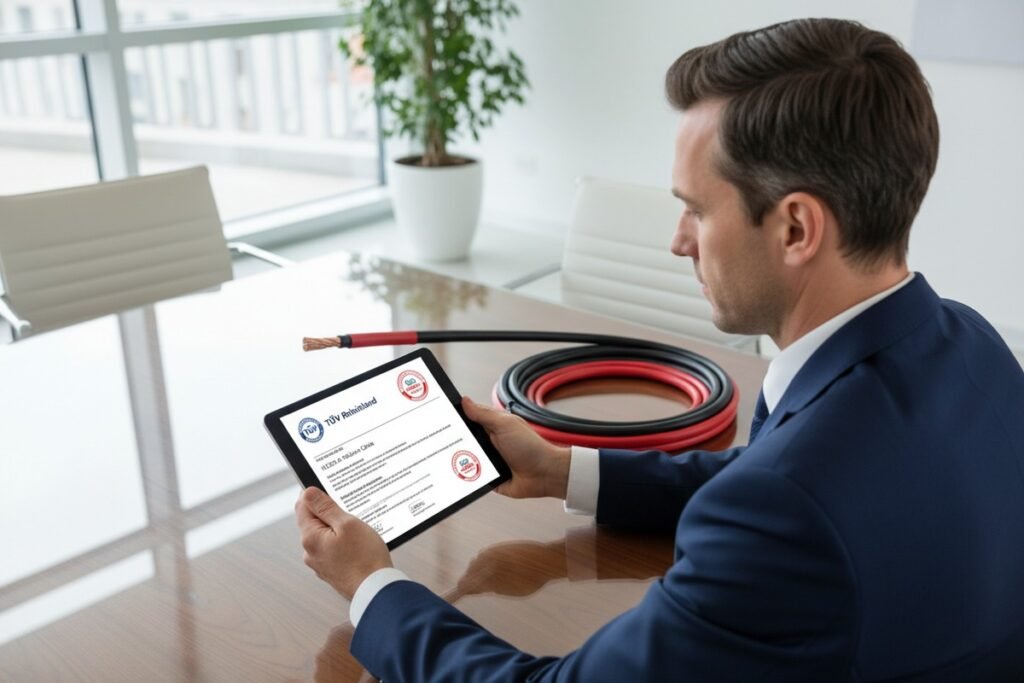
To verify UV resistance test data reliability for solar PV cables, request third-party certified test reports from accredited labs (TUV, UL), cross-check res…
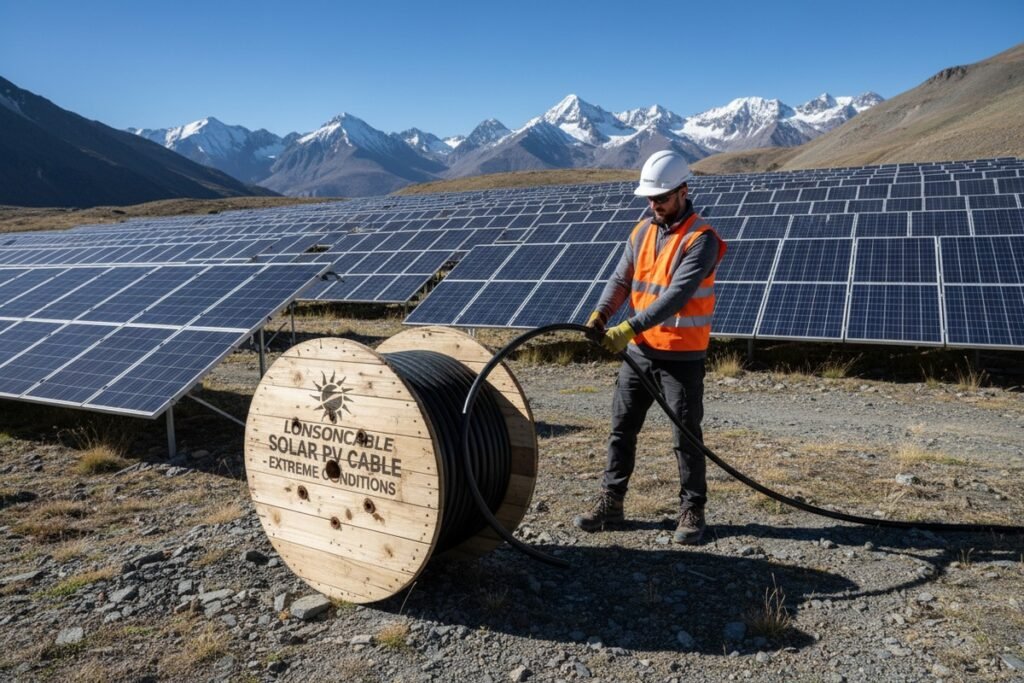
To choose the right solar PV cable for high-altitude areas, you must select XLPE-insulated cables rated from -40°C to +90°C minimum, derate ampacity by 10–20…

To compare Shanghai and Ningbo port efficiency for solar PV cable sourcing, evaluate four factors: transit time to your destination, local drayage and termin…
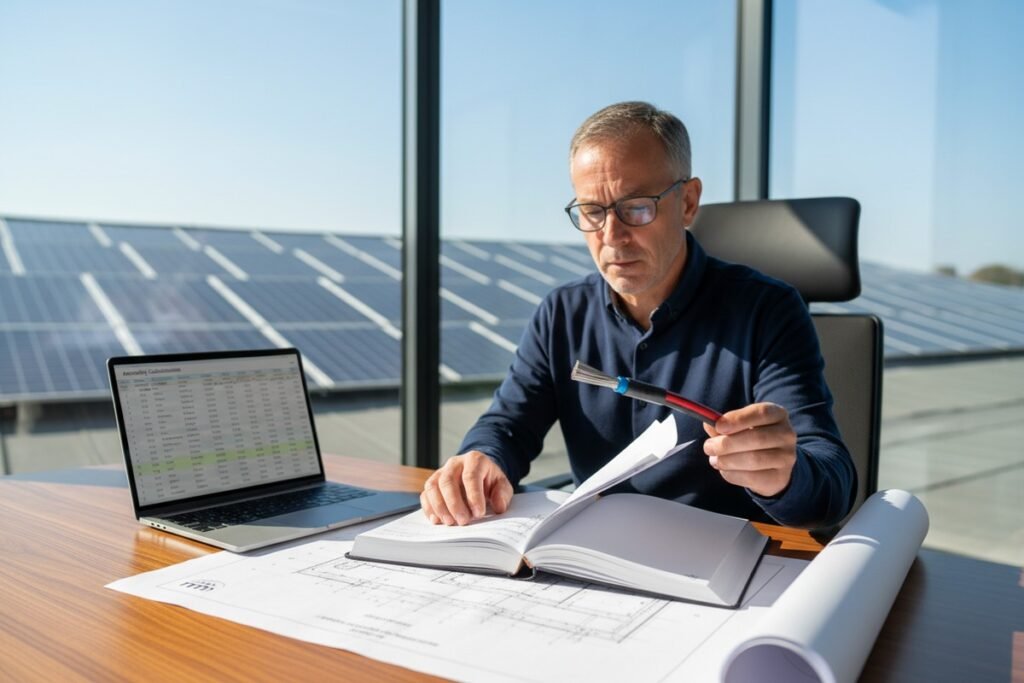
To verify solar PV cable ampacity during procurement, request TUV or UL test reports, cross-check the manufacturer’s rated ampacity against your system’s max…
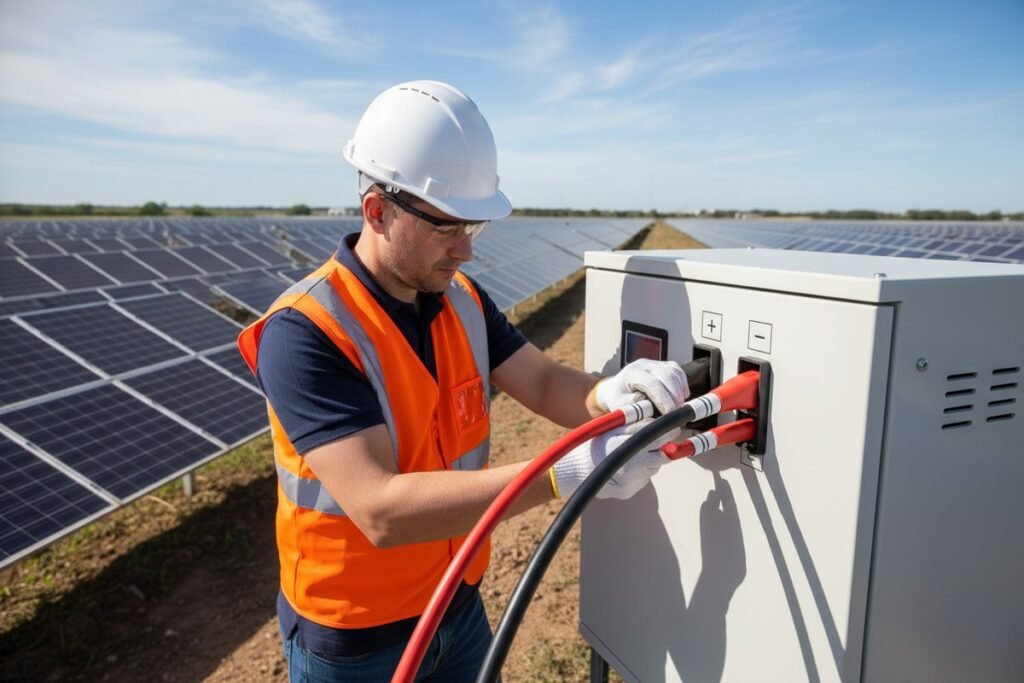
Black and red sheath colors in solar PV cables serve as critical polarity identifiers under standards like TUV EN 50618, IEC 62930, and UL 4703.
Selecting solar PV cables for Germany, France, and the Netherlands requires understanding each country’s unique overlay of national regulations on top of the…