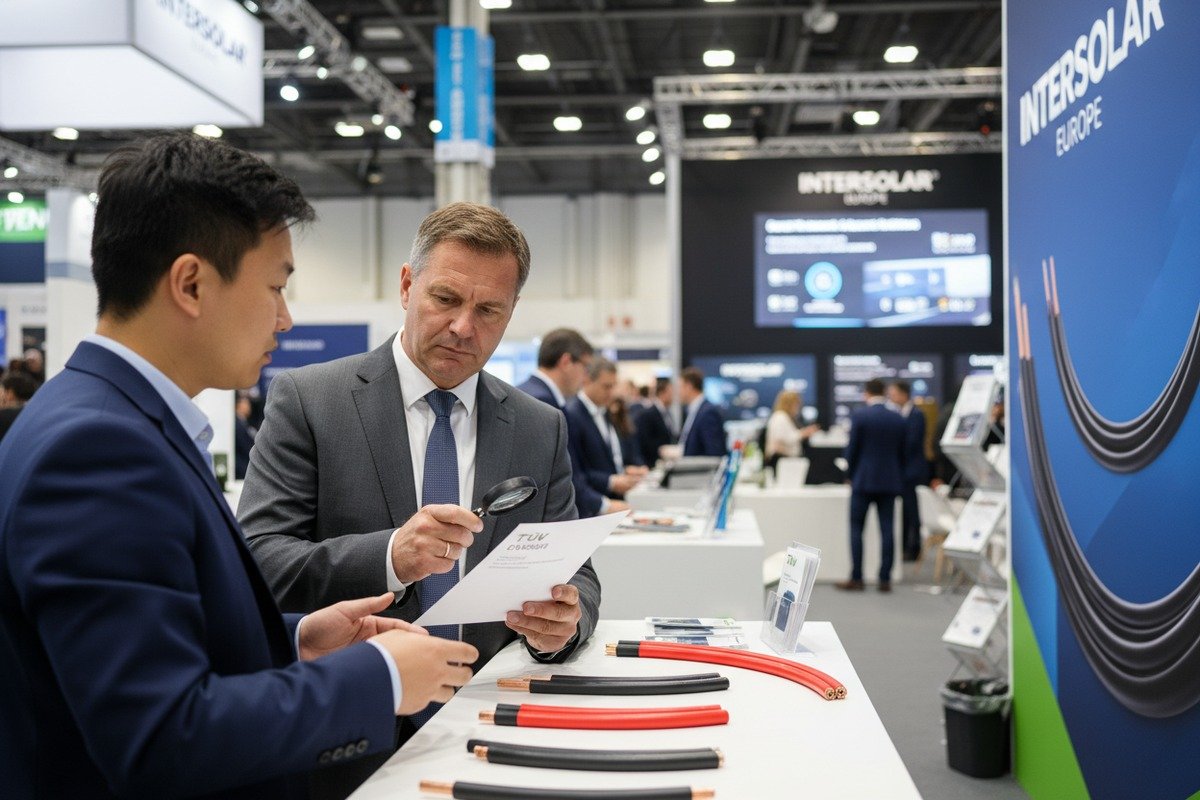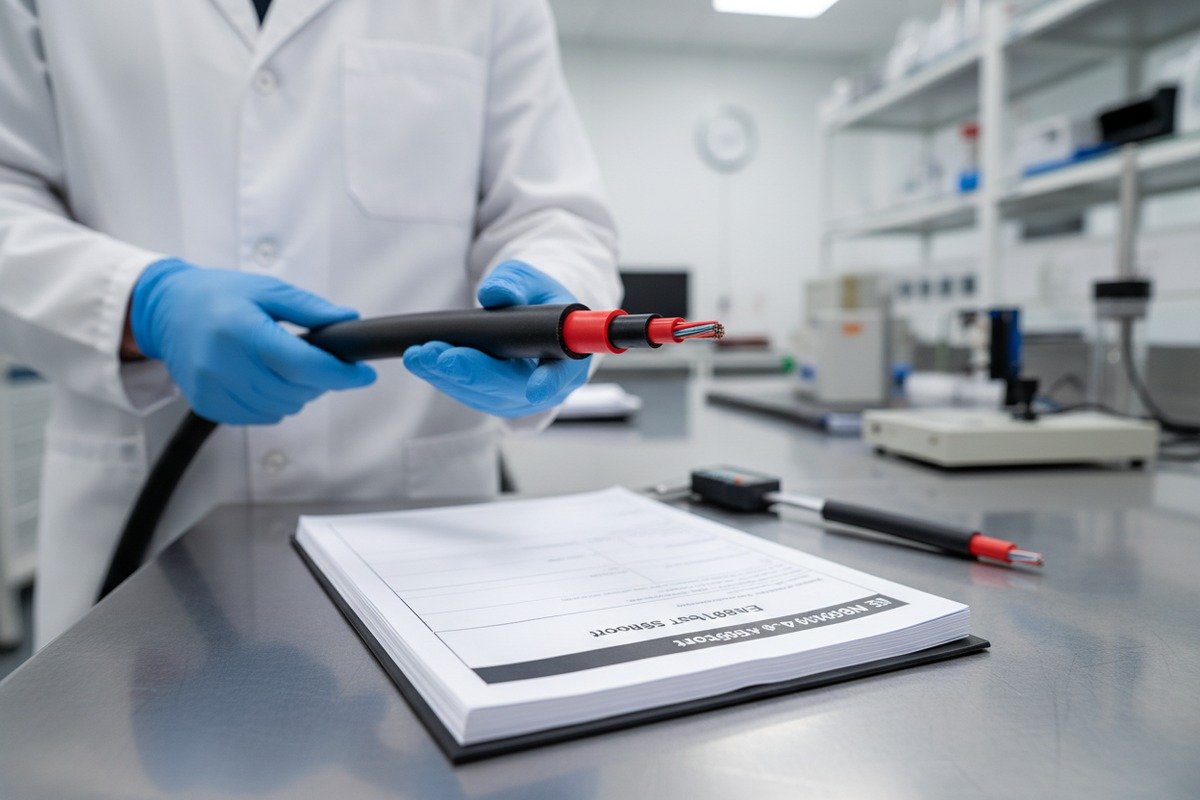

Every year, our production lines push out thousands of kilometers of ADSS cable 1 bound for power grids and telecom networks across five continents — and yet, warranty disputes remain the number one headache we see buyers face.
To negotiate strong warranty and return terms for ADSS fiber optic cables from China, you must lock down written specifications, require pre-shipment third-party inspections, push for performance-based warranty clauses of three to five years, and use escrow payment structures that tie fund release to verified quality acceptance.
This guide walks you through the exact steps, contract language, and negotiation levers that protect your investment mechanical ratings 2. Whether you are a procurement manager at a utility company or a regional distributor, these tactics work. Let's get into it.
Material downgrading is the silent killer of ADSS cable projects escrow payment structures 3. Our engineering team has caught competitors substituting cheaper FRP rods 4 and reducing aramid yarn counts — problems invisible until a span fails two years into service.
To protect against hidden defects, your warranty clause must explicitly name critical materials (aramid yarn weight, PE jacket density, fiber type G.652.D/G.657), require third-party material verification before shipment, and define penalties for non-compliance that survive beyond the standard one-year warranty window.
Why Material Downgrading Happens
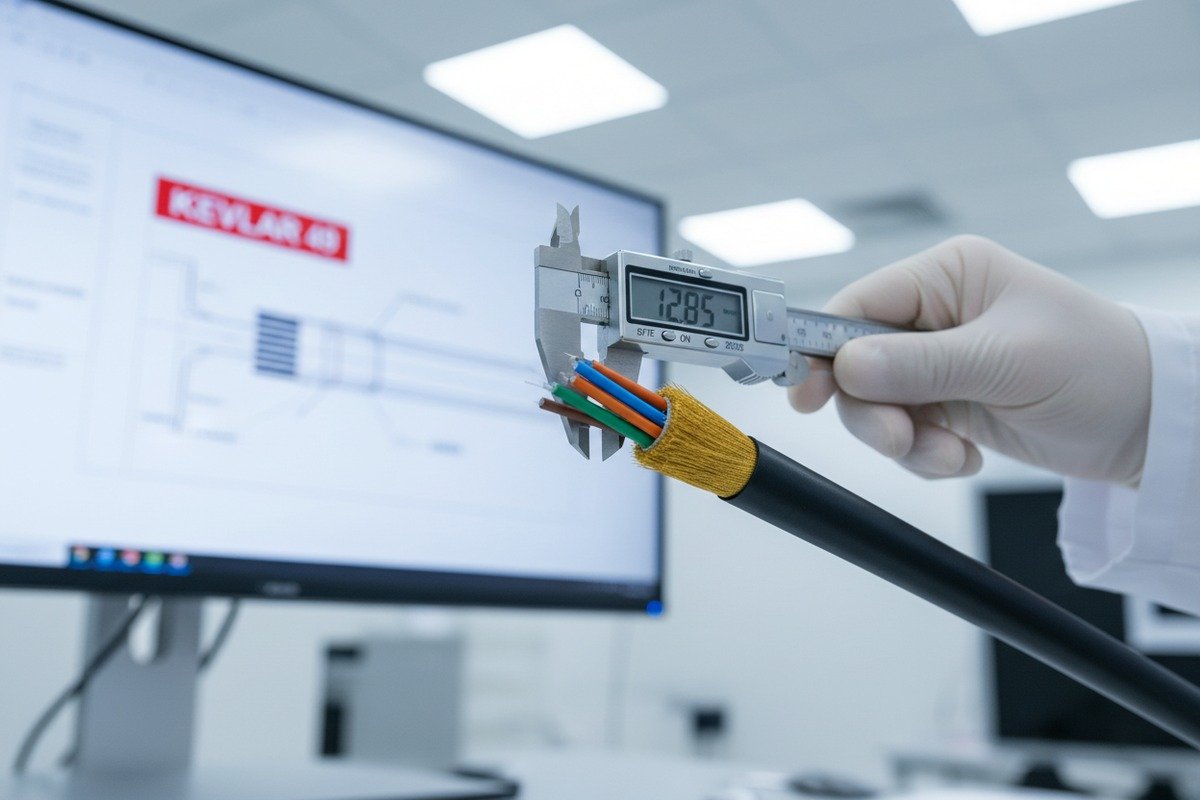
Price competition among Chinese ADSS manufacturers is fierce. A 24-core AT-sheath cable for 66kV environments runs around $270/km. A supplier shaving 15% off aramid yarn 5 content can undercut that by $30–40/km. The cable looks identical on the outside. It passes a basic visual inspection. But its tensile strength drops, and within two to three years, sag increases and the cable risks mechanical failure on long spans.
This is why your contract must go beyond "meets IEC 60794 6" and specify measurable material parameters.
What Your Warranty Clause Should Include
Here is a checklist of items to write into your purchase agreement:
- Aramid yarn brand and minimum linear density (e.g., Kevlar 49, ≥1100 dtex per unit)
- PE jacket: HDPE with carbon black content ≥2.5%, UV-B stability per EN 60811
- Fiber type: ITU-T G.652.D 7 or G.657.A1, with insertion loss ≤0.35 dB/km at 1310 nm
- FRP strength member: elongation ≤0.5%, minimum tensile load specified per span design
- Warranty period: 3–5 years covering material and performance defects
Comparing Standard vs. Enhanced Warranty Coverage
| Warranty Element | Standard (1-Year) | Enhanced (3–5 Year) |
|---|---|---|
| Scope | Manufacturing defects only | Material, performance, and environmental defects |
| Material Verification | Factory self-test report | Third-party lab report (e.g., SGS, Bureau Veritas) |
| Aramid Yarn Clause | Not specified | Brand, weight, and count listed in contract |
| Penalty for Non-Compliance | Replacement of defective length | Replacement + freight cost sharing + extended coverage |
| Testing Standard | Supplier's internal protocol | IEC 60794-1-21, IEEE 1222, ANSI C119 |
The Third-Party Inspection Step
Never skip pre-shipment inspection 8. At our facility, we welcome third-party inspectors because it builds trust. But not every factory does. If a supplier resists independent testing, treat it as a red flag.
Book an inspector to verify:
- Drum sample: cut 10 meters, measure jacket thickness and aramid count.
- OTDR trace 9: confirm attenuation per fiber at 1310 nm and 1550 nm.
- Tensile test: pull a sample to the rated MRCL (Maximum Rated Cable Load 10).
- Document everything with photos, timestamps, and lot numbers.
This documentation becomes your evidence if a warranty claim arises later. Without it, a supplier can argue the damage happened during installation or shipping — and that argument often wins.
Leverage Volume for Better Terms
If you are ordering 100+ km, you hold real negotiating power. Bundle your warranty ask with your volume commitment. We regularly offer extended three-year warranties to repeat buyers who commit to annual purchase volumes. It costs us very little if we trust our materials. A supplier who refuses extended terms on a large order may not trust their own product.
What is the best way for me to negotiate a return policy that accounts for the high cost of international logistics?
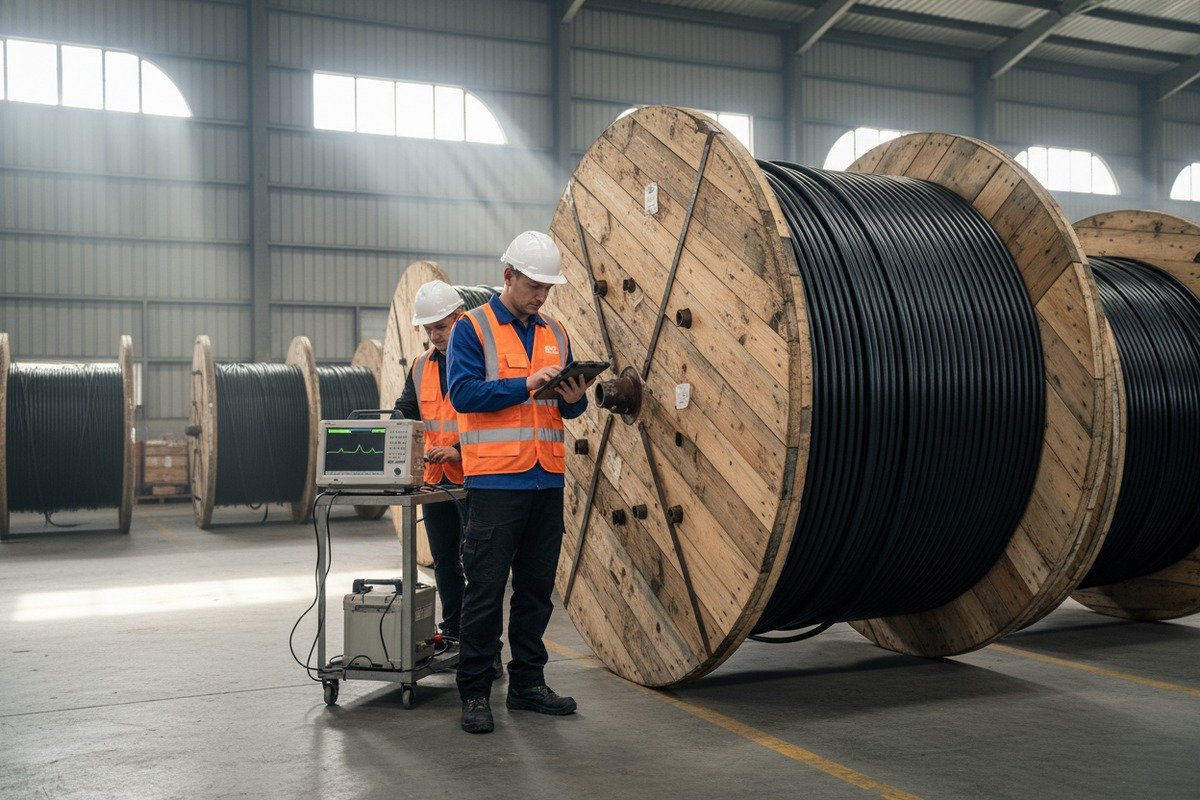
Returning ADSS cable to China after discovering a problem is brutally expensive. Shipping 50 drums of cable back across the Pacific can cost more than the cable itself. When we discuss return terms with buyers, logistics cost is always the elephant in the room.
The best approach is to negotiate a tiered resolution framework: minor defects trigger credit or replacement shipped with your next order, moderate defects invoke supplier-paid rework at a local facility, and major non-compliance allows full refund with freight cost sharing — all backed by escrow payment holdbacks.
Why Standard Return Policies Fail for ADSS Cable
Most Chinese suppliers default to a 30-day post-receipt claim window with replacement (shipped by sea) as the remedy. That means:
- You wait 45–60 days for replacement cable to arrive.
- Your construction crew sits idle.
- The defective cable stays in your warehouse, taking up space.
- You absorb all local logistics costs.
This is unacceptable for a $50,000+ cable order destined for a power grid project with fixed deadlines. You need a policy designed for the reality of international fiber optic trade.
The Tiered Resolution Framework
Here is the model we recommend and use with our own long-term partners:
| Defect Severity | Definition | Resolution | Cost Responsibility |
|---|---|---|---|
| Minor | Cosmetic issues, jacket scuffs, labeling errors | Credit note applied to next order | Supplier covers credit; buyer absorbs local costs |
| Moderate | Attenuation out of spec on <20% of fibers, jacket thickness below minimum | Supplier ships replacement lengths with next order OR funds local splice/rework | Supplier covers replacement + 50% freight |
| Major | Fiber count wrong, cable fails tensile test, wrong sheath type (PE instead of AT) | Full refund or complete re-manufacture and express shipment | Supplier covers 100% including international freight |
| Critical | Fraudulent test reports, counterfeit fiber, safety hazard | Full refund + penalty clause triggered | Supplier covers all costs; escrow funds withheld |
Using Escrow to Your Advantage
Payment structure is your strongest lever. Here is what works:
- Pay 30% deposit before production.
- Pay 50% after pre-shipment inspection passes.
- Hold 20% in escrow for 60–90 days after delivery.
That final 20% holdback gives you time to test the cable on-site. If results match the factory reports, release the funds. If they do not, you have leverage to negotiate resolution without chasing a supplier across international borders.
Platforms like Alibaba Trade Assurance offer built-in escrow, but for large direct orders, a bank-held escrow or letter of credit with inspection clauses provides stronger protection.
Avoid the "No Return on Custom Orders" Trap
Suppliers often argue that custom ADSS cable (specific fiber count, sheath type, span length, printing) cannot be returned because it was made to your specifications. This is partially valid — you cannot return cable just because you over-ordered. But it is not valid when the cable fails to meet the specifications you ordered.
Your contract should clearly state: "Custom specifications define the acceptance criteria. Cable that does not meet these criteria is non-conforming and subject to the return and remedy provisions regardless of customization."
This one sentence eliminates the loophole.
How do I document specific technical requirements in my contract to make a future warranty claim easier?
Over 30 years of manufacturing fiber optic cable, our team has seen warranty claims fail — not because the cable was bad, but because the buyer's contract lacked precise technical language. Vague specs give suppliers room to argue.
Document every technical requirement in a numbered specification annex attached to your contract, including fiber type (G.652.D/G.657.A1), attenuation limits, mechanical ratings (MRCL, EDS), sheath material and thickness, test standards (IEC 60794, IEEE 1222), and acceptance thresholds — then require the supplier to sign each page.
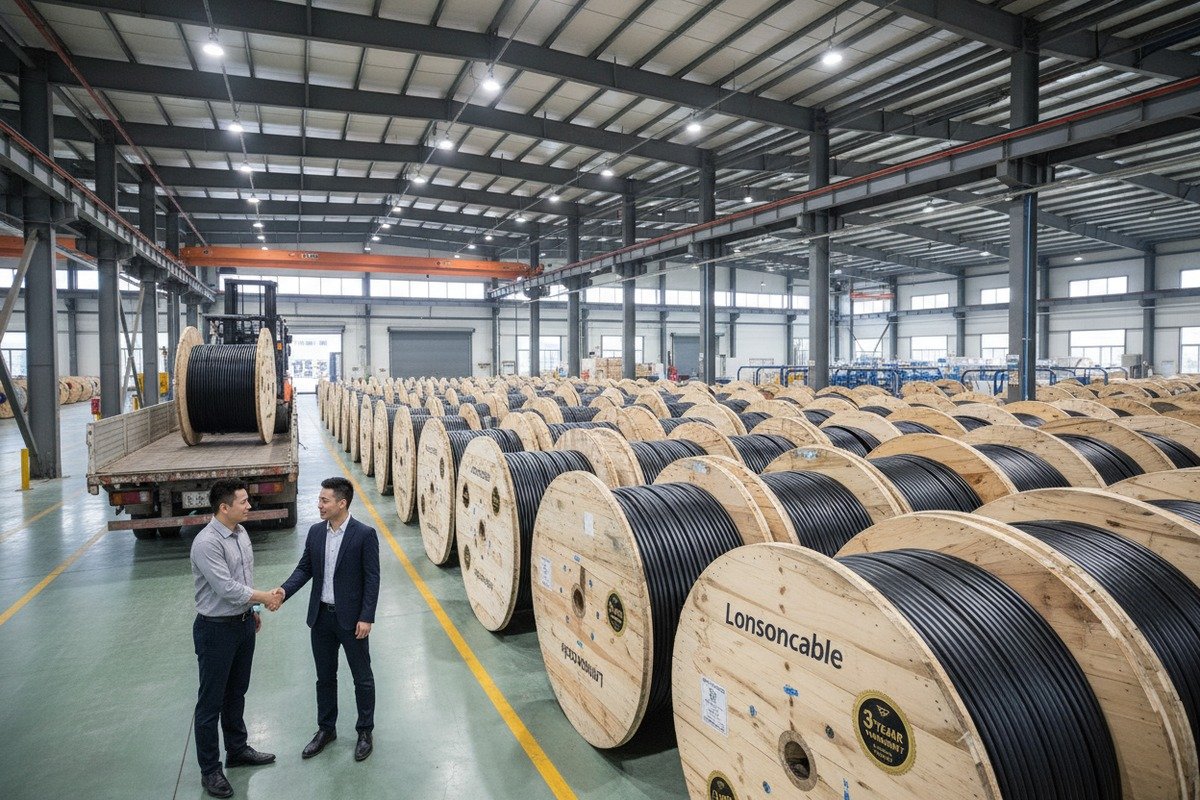
Build a Specification Annex, Not Just a Purchase Order
A purchase order says "24-core ADSS cable, AT sheath, 100 km." A specification annex says everything that matters. Here is a template structure:
Essential Specification Table for ADSS Contracts
| Parameter | Requirement | Test Standard | Acceptance Threshold |
|---|---|---|---|
| Fiber Type | Single-mode G.652.D | ITU-T G.652 | Must match; no substitution |
| Fiber Count | 24 cores | Visual + OTDR | All 24 fibers functional |
| Insertion Loss (1310 nm) | ≤0.35 dB/km | IEC 60793-1-40 | Fail if any fiber >0.36 dB/km |
| Insertion Loss (1550 nm) | ≤0.22 dB/km | IEC 60793-1-40 | Fail if any fiber >0.23 dB/km |
| Return Loss | ≥50 dB | IEC 61300-3-6 | Fail if <49 dB |
| Sheath Type | AT (anti-tracking) for ≥35kV | IEEE 1222 | UV and ozone resistance certified |
| Jacket Thickness | ≥1.8 mm | Cross-section measurement | Fail if <1.7 mm at any point |
| MRCL (Maximum Rated Cable Load) | ≥12 kN | IEC 60794-1-21 E1 | Tensile test on sample |
| Aramid Yarn | Kevlar 49, ≥6 ends | Cut sample verification | Count and weigh |
| Cable Diameter | 13.5 ± 0.5 mm | Caliper measurement | Fail if outside tolerance |
| Water Penetration | No penetration at 1m head, 24h | IEC 60794-1-21 F5 | Pass/Fail |
How to Structure the Document
- Annex A — Technical Specifications: The table above, plus any project-specific requirements (span length, ice/wind loading, voltage class).
- Annex B — Test Requirements: List every test the factory must perform, the standard it follows, and the format of the report (OTDR traces in .sor files, not just PDFs).
- Annex C — Acceptance Criteria: Define what "pass" and "fail" mean for each test. Include who performs the test (factory, third-party, or buyer).
- Annex D — Warranty Terms: Duration, scope, claim procedure, remedy timeline.
Why .SOR Files Matter
OTDR reports in PDF format can be edited. The raw .sor file from the OTDR machine cannot be easily faked. Always request .sor files alongside the PDF summary. This is a small detail that makes a massive difference in dispute resolution.
When we ship cable from our facility, we include both formats as standard practice. If your supplier hesitates to provide raw data files, ask why.
Get Signatures on Every Page
In cross-border trade, a signed specification annex holds far more weight than an email thread. Print the annex, have both parties initial every page, and keep originals. This creates a clear record that any arbitration panel or mediator can reference.
Also include a "change order" clause: any modification to specs after contract signing requires written agreement from both parties. This prevents a supplier from silently changing materials mid-production and claiming verbal approval.
What should I do if the factory's OTDR reports do not match my own testing results after the shipment arrives?
This is one of the most stressful situations in fiber optic procurement. You open the drums, run your OTDR, and the numbers do not match what the factory sent you. Our customer service team handles these calls regularly, and the first thing we tell buyers is: do not panic, but do act fast.
If factory OTDR reports and your post-delivery test results diverge, immediately document the discrepancies with your own .sor files and photos, notify the supplier in writing within the contractual claim window, request a joint re-test or independent third-party verification, and withhold any remaining escrow payment until the issue is formally resolved.

Common Reasons for OTDR Discrepancies
Before assuming fraud, consider legitimate causes:
- Different test wavelengths: Factory tested at 1310 nm; you tested at 1550 nm. Results will differ.
- Different OTDR models: Equipment calibration varies. A 2% difference may be within instrument tolerance.
- Connector quality: A dirty or poorly polished connector at your end adds loss that is not the cable's fault.
- Temperature differences: Fiber attenuation changes slightly with temperature. A cable tested at 22°C in a factory may read differently at 5°C in a warehouse.
- Splice or bend introduced during shipping: Rough handling can create microbends that increase attenuation.
Step-by-Step Response Protocol
Here is exactly what to do:
Step 1: Re-test under controlled conditions. Clean all connectors. Use the same wavelength and pulse width as the factory report. Test from both ends of the cable. Record ambient temperature.
Step 2: Compare apples to apples. Place the factory .sor file and your .sor file side by side in OTDR analysis software. Look at the event table. Identify where the loss diverges — is it distributed (fiber quality issue) or localized (a single point, suggesting damage)?
Step 3: Send a formal written notice. Email and registered mail. Include your test results, the factory's original report, and a clear description of the discrepancy. Reference the contract clause and specification annex.
Step 4: Propose a resolution path. This could be:
- Supplier sends an engineer or authorizes a local lab to re-test.
- Both parties agree on an independent third-party test facility.
- If the cable fails the agreed acceptance threshold, trigger the warranty/return clause.
Step 5: Hold escrow. If you structured payment correctly, you still have 20% in reserve. Do not release it until the matter is settled.
When the Numbers Are Clearly Wrong
If your OTDR shows attenuation of 0.45 dB/km on multiple fibers where the factory report claimed 0.33 dB/km, and your testing environment is controlled, this is a serious discrepancy. It suggests either the factory report was fabricated, the cable was damaged in transit, or materials were substituted after testing.
In this case, escalate immediately. Request the factory's raw .sor files (not just the PDF). If they cannot provide them, or the metadata does not match the reported test date and cable lot number, you have grounds for a major warranty claim.
Protecting Yourself Before This Happens
The best defense is prevention:
- Require .sor files at time of shipment, not just summary PDFs.
- Have your third-party inspector run an independent OTDR test before the cable leaves the factory.
- Include a contract clause stating: "Buyer's post-delivery OTDR results, conducted per IEC 60793-1-40 within 30 days of receipt, shall take precedence over factory reports in the event of a discrepancy."
That last clause is powerful. It shifts the burden of proof to the supplier if a dispute arises. Most reputable manufacturers — ourselves included — are comfortable with this because we trust our product.
Conclusion
Negotiating warranty and return terms for ADSS cable from China comes down to specificity, documentation, and payment leverage. Write precise specs, demand raw test data, hold escrow, and partner with suppliers who welcome transparency.
Footnotes
- Explains what ADSS cable is and its key characteristics. ↩︎
- Describes how cable specifications, including mechanical protection, are crucial for fiber optic cable performance. ↩︎
- Explains how escrow services secure international trade by holding funds until terms are met. ↩︎
- Explains FRP rods reinforce fiber optic cables, providing strength and protection. ↩︎
- Details how aramid yarn reinforces fiber optic cables, providing strength and protection. ↩︎
- Explains IEC 60794 standardizes optical fiber cable specifications for quality and reliability. ↩︎
- Replaced with the official ITU-T recommendation for G.652.D, an authoritative source. ↩︎
- Explains pre-shipment inspection verifies product quality, quantity, and compliance before shipping. ↩︎
- Explains OTDR traces are graphical representations of fiber attenuation, useful for testing and fault finding. ↩︎
- Explains maximum tensile rating is the force a fiber optic cable can withstand before damage. ↩︎