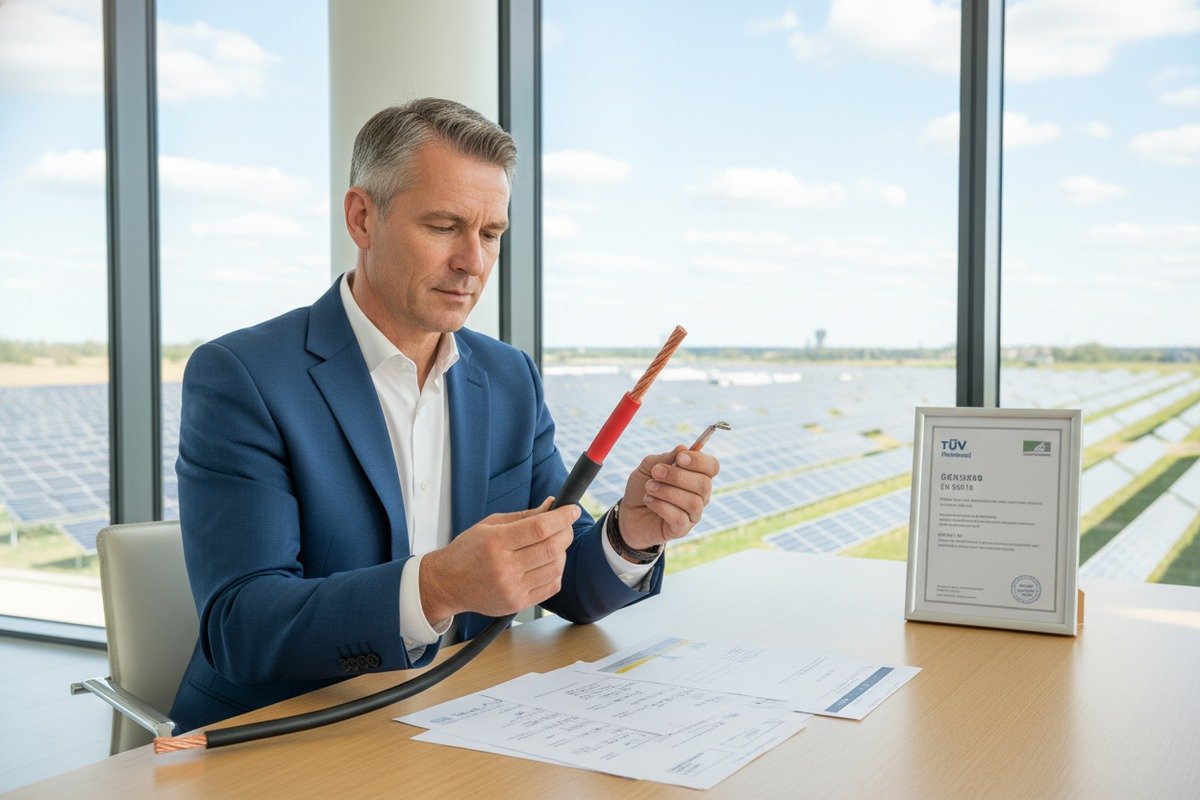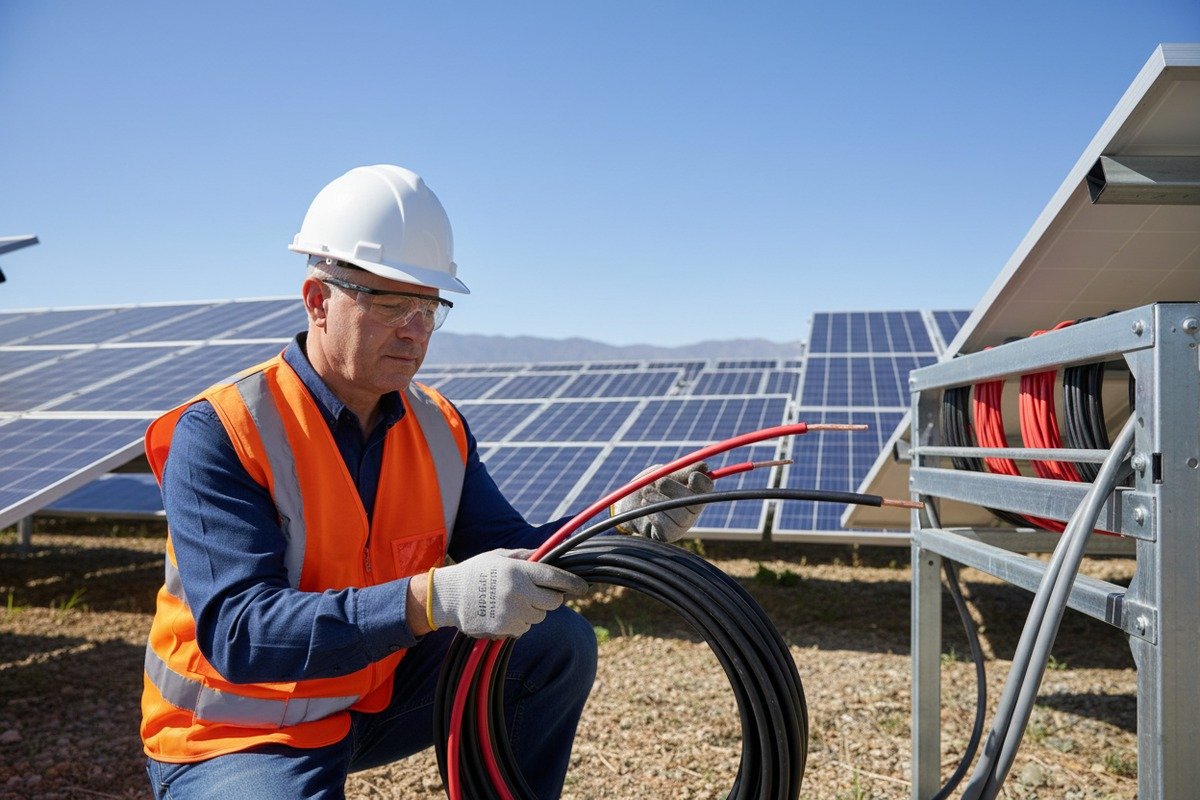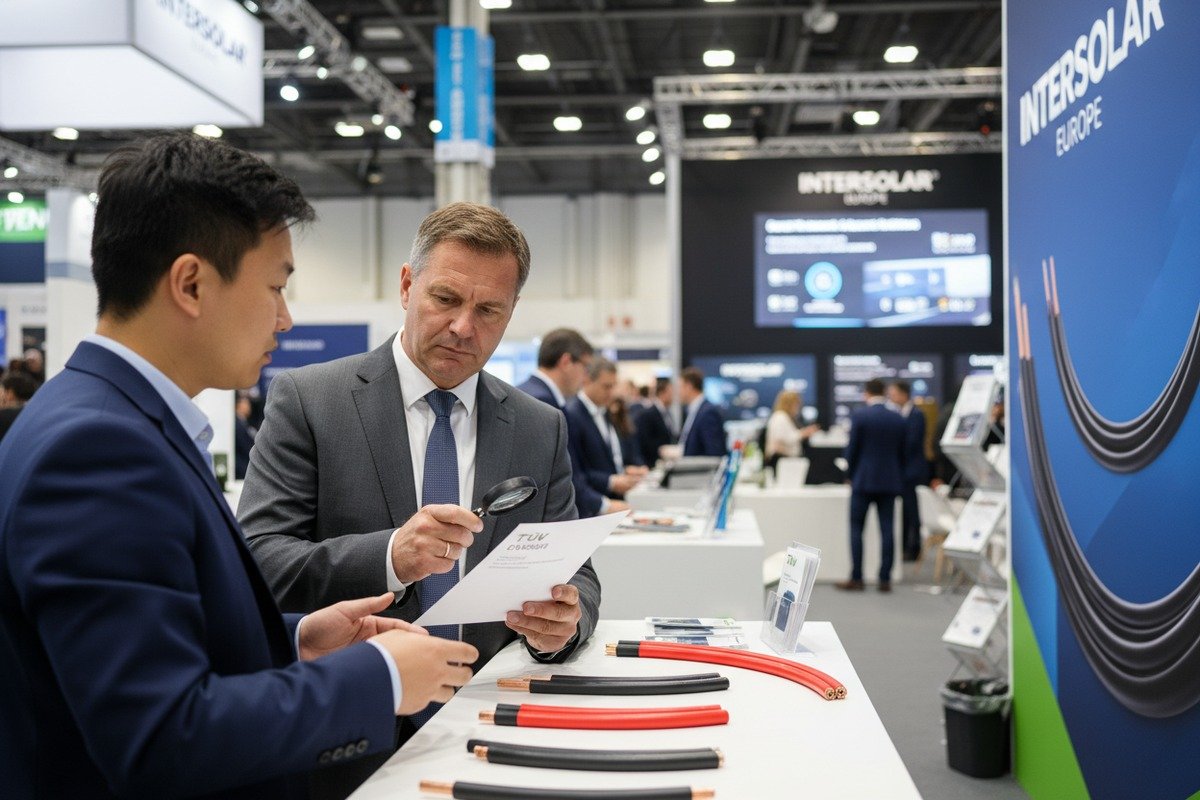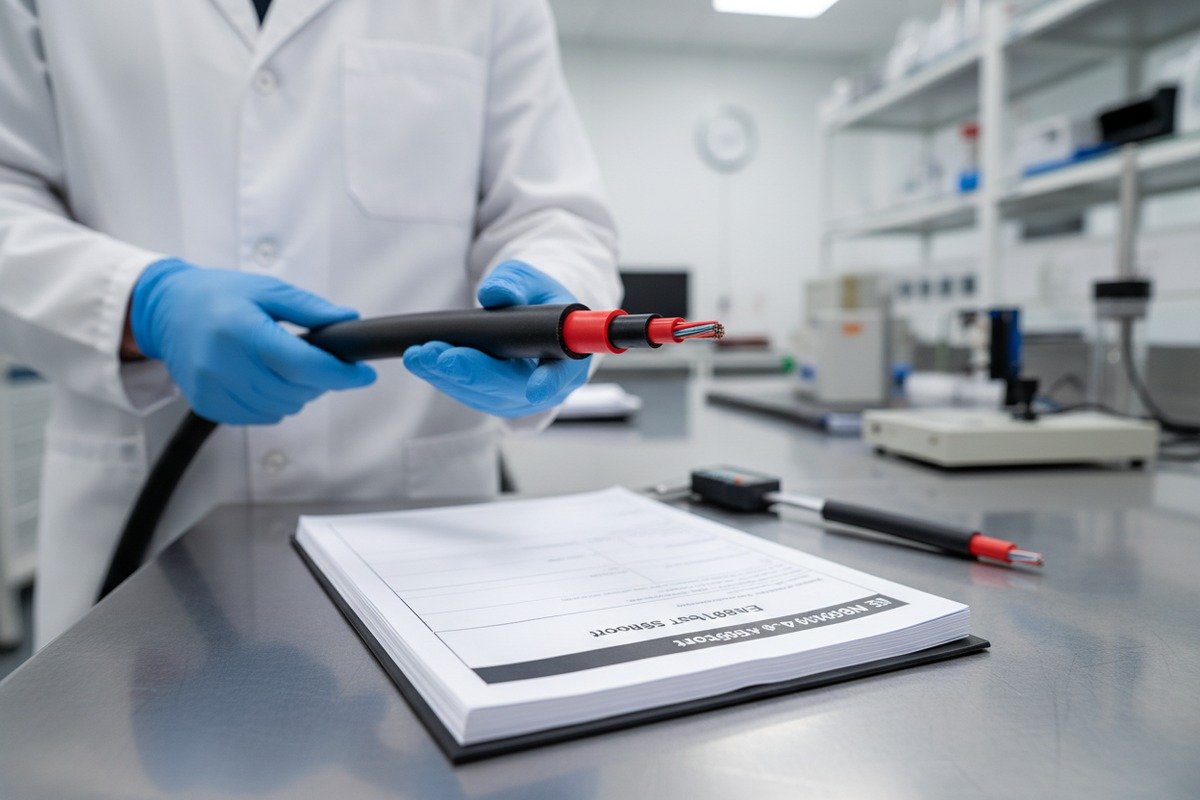
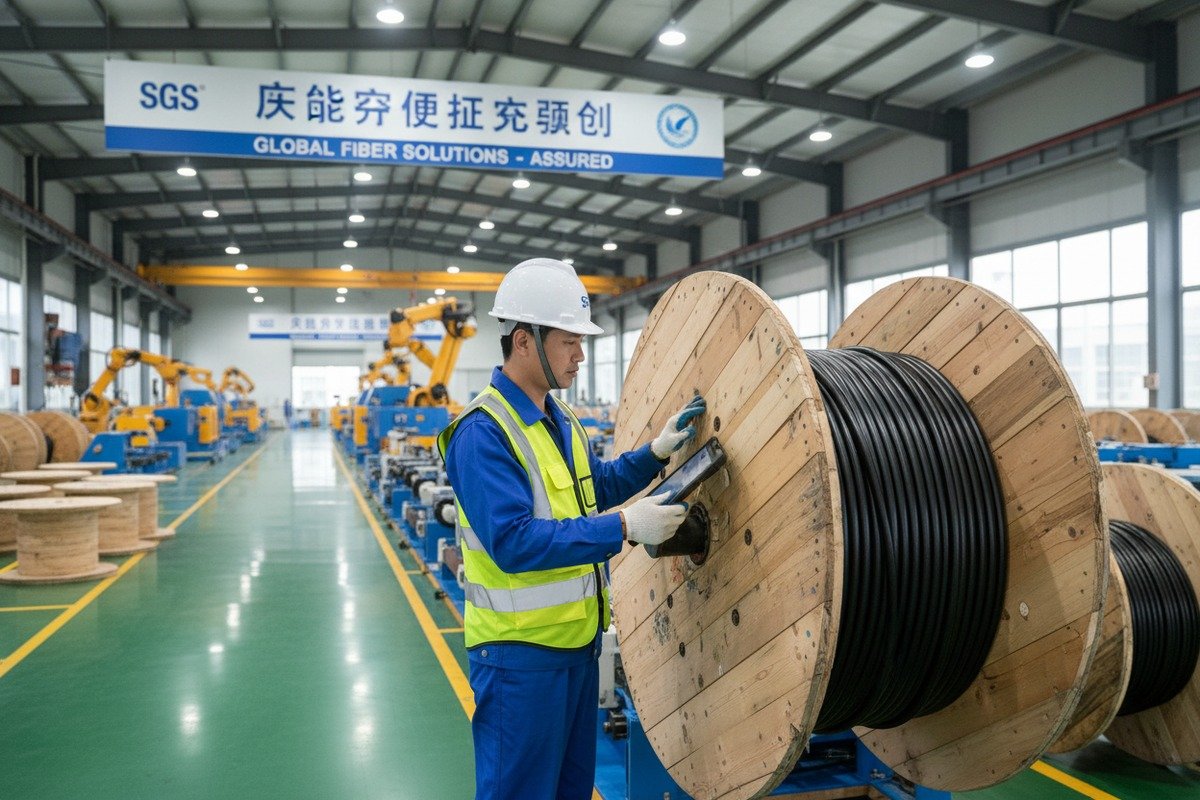
Every year, our production lines ship thousands of kilometers of ADSS cable 1 overseas — and we still encourage buyers to bring their own inspectors.
To use third-party inspection effectively when sourcing ADSS fiber optic cables from China, buyers should hire accredited agencies like SGS or BV to perform pre-shipment factory audits, witness OTDR testing, verify aramid yarn quality, and check packaging durability — reducing defect risks by up to 90% before cables leave the port.
This guide walks you through every step of the process accredited agencies 2. We will cover how to pick the right inspection agency, which technical tests matter most, how to catch material fraud, and how to verify factory reports. Each section includes practical checklists and tables you can use right away.
How do I choose a reliable third-party inspection agency for my ADSS cable order in China?
Choosing the wrong inspector can be just as costly as choosing the wrong supplier ITU-T G.652/G.657 3. Our export team has seen buyers lose months over poorly written inspection reports that missed critical defects.
Select a third-party inspection agency with fiber optic cable experience, IEC 60794 familiarity, on-the-ground presence in China's major cable manufacturing clusters like Hunan or Guangdong, and recognized accreditation such as ISO 17025 or ILAC membership to ensure test results are globally accepted.

Why Agency Experience with Fiber Optic Cables Matters
Not all inspection agencies understand ADSS cables. A general consumer-goods inspector may know how to check carton counts, but they will not know what to look for in a loose-tube buffer or how to interpret an OTDR trace. You need an agency whose engineers have handled fiber optic products — ideally ADSS, OPGW, or GYTA cables specifically.
When we host third-party inspectors at our 230,000 m² facility, the difference is obvious. Experienced inspectors go straight to the aramid yarn 4 tension records and the fiber coloring station. Inexperienced ones spend an hour counting boxes.
Key Factors for Choosing an Agency
Here is a simple comparison of the major agencies that handle ADSS cable inspections in China:
| Agency | ADSS Experience | China Offices | Typical Turnaround | Approx. Cost |
|---|---|---|---|---|
| SGS | High — tested GCYFTY 48-96 core cables | 30+ cities | 2–3 business days | $300–$800/day |
| Bureau Veritas (BV) | High — documented ADSS inspection cases | 20+ cities | 2–3 business days | $280–$750/day |
| DNV | Moderate — more common in subsea/OPGW | 10+ cities | 3–5 business days | $350–$900/day |
| TÜV Rheinland | Moderate — strong in EU compliance | 15+ cities | 3–5 business days | $400–$1,000/day |
| Regional Labs (e.g., CPQD, WRI) | Specialized — often for type testing | Limited | 5–10 business days | Varies |
Questions to Ask Before You Book
Before signing any inspection contract, ask the agency these questions:
- Have you inspected ADSS cables before? Can you share a sample report?
- Do your inspectors understand IEC 60794 5-1 and ITU-T G.652/G.657 fiber standards?
- Can you witness live OTDR testing 6 at the factory?
- Will you check the aramid yarn brand, denier, and tensile records?
- Do you provide photo-documented reports within 48 hours?
Local Presence Saves Time and Money
China's ADSS cable manufacturing is concentrated in a few regions. If your agency has offices in Changsha (Hunan), Shenzhen (Guangdong), or Wuhan (Hubei), the inspector can reach the factory within hours. This keeps travel surcharges low and lets you schedule inspections with short notice — which is useful if a production run finishes ahead of schedule.
One more tip: always confirm the individual inspector's qualifications, not just the agency's brand. A junior inspector from a famous agency can miss more than a senior specialist from a smaller firm.
What specific technical tests should I ask my inspector to perform on ADSS fiber optic cables?
When our engineers prepare a shipment for export, we run over a dozen tests internally. But we know buyers sleep better when an independent set of eyes confirms every result.
Ask your inspector to witness or perform OTDR attenuation testing at 1310nm and 1550nm, tensile strength verification, crush resistance, temperature cycling from −40°C to +70°C, water penetration resistance, UV aging assessment, and fiber geometry checks — all per IEC 60794-1 and the relevant ITU-T fiber standard.

Core Optical Tests
The most important test is optical attenuation 8. For single-mode G.652D fiber at 1310nm, attenuation should be ≤0.36 dB/km. At 1550nm, it should be ≤0.22 dB/km. Your inspector should witness the OTDR test on at least 10% of the reels — or 100% if your order is small (under 50 km). They should record the wavelength, pulse width, and event markers.
Beyond attenuation, fiber geometry matters. The mode field diameter, cladding diameter (125 ± 0.7 μm), and core concentricity all affect splice loss in the field. Ask the inspector to verify these against the factory's fiber incoming inspection records.
Mechanical and Environmental Tests
ADSS cables hang between power line poles. They must survive wind, ice, vibration, and decades of UV exposure. Here are the key mechanical tests:
| Test | Standard | Acceptance Criteria |
|---|---|---|
| Tensile Strength | IEC 60794-1-E1 | No fiber strain increase at rated load (e.g., 20 kN for medium span) |
| Crush Resistance | IEC 60794-1-E3 | No attenuation change >0.1 dB at 1000 N/100mm |
| Temperature Cycling | IEC 60794-1-F1 | −40°C to +70°C, attenuation change ≤0.05 dB/km |
| Water Penetration | IEC 60794-1-F5 | No water passage through 1m sample in 24 hours |
| UV Resistance | ISO 4892 or equivalent | Jacket retains ≥80% tensile strength after 720 hours |
| Aeolian Vibration | IEEE P1222 / IEC 60794-4 | No visible damage after 10 million cycles |
Electrical Tests for AT Sheath Cables
If your ADSS cable will run along 110kV–220kV power lines, it likely uses an AT (Anti-Tracking) sheath instead of standard PE. Anti-Tracking sheath 9 The AT sheath resists electrical tracking caused by dry-band arcing. Ask your inspector to verify:
- The sheath material is genuinely AT-grade, not standard HDPE relabeled.
- Tracking resistance meets IEC 60587 (inclined-plane test) at ≥4.5 kV.
- The jacket thickness matches the spec sheet — typically 2.0–2.5 mm for AT types.
What Percentage of Reels Should Be Tested?
For orders over 100 km, testing every reel is impractical. A common sampling plan is AQL-based or a fixed percentage. Here is a practical guideline:
- Orders under 50 km: Test 100% of reels for OTDR attenuation.
- Orders 50–200 km: Test a minimum of 20% of reels randomly, plus any reels flagged by visual inspection.
- Orders over 200 km: Test 10% of reels, with mandatory testing of the first and last production batches.
Always insist on 100% visual inspection of every reel for jacket damage, print legibility, and reel condition — regardless of order size.
Can a third-party inspection help me prevent material fraud and verify the aramid yarn quality?
Material fraud is the pain point that keeps procurement managers up at night. In our three decades of manufacturing, we have seen competitors substitute lower-grade aramid or reduce the yarn count to shave costs — and the buyer does not find out until the cable sags or snaps in the field.
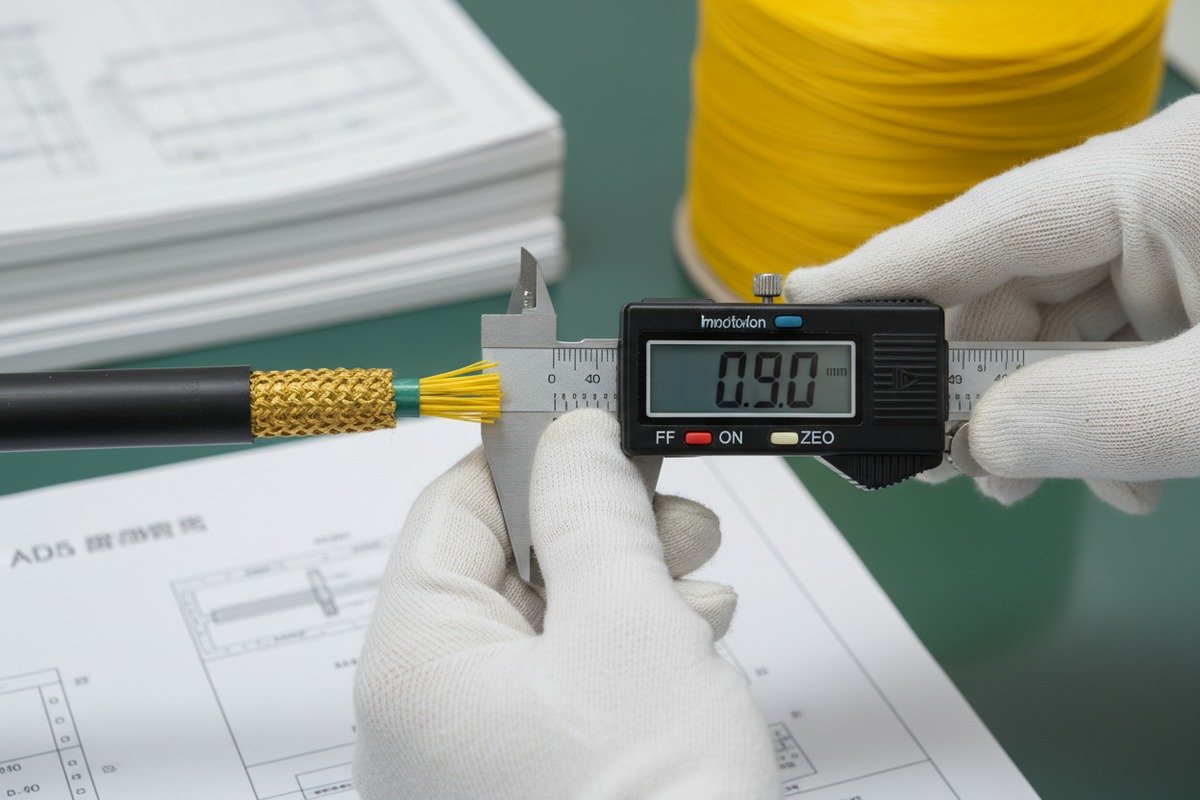
Yes, a qualified third-party inspector can prevent material fraud by cross-referencing the aramid yarn brand, denier, and quantity against the purchase contract, physically counting yarn bundles in stripped cable samples, and verifying tensile pull-test results against the rated maximum allowable span and tensile load.
How Material Fraud Happens
The most common fraud involves aramid yarn — the high-strength synthetic fiber (Kevlar® by DuPont or Twaron® by Teijin) that gives ADSS cables their self-supporting ability. Here is how corners get cut:
- Reduced yarn count. The spec says 24 ends of 1580-denier Kevlar. The factory uses 18 ends. The cable looks the same on the outside but fails under rated tension.
- Substituted brand. Instead of genuine DuPont or Teijin aramid, a cheaper domestic alternative is used. It may have 20–30% lower tensile modulus.
- Mixed batches. Some reels get the correct aramid; others do not. Without sampling across the full order, you only catch the good ones.
- Jacket material downgrade. Standard HDPE is labeled as AT-grade sheath. It looks identical but will fail within 2–3 years on high-voltage lines due to dry-band arcing.
What the Inspector Should Check
A thorough inspector will do the following:
- Strip a cable sample (typically 1–2 meters) and physically count the aramid yarn ends. Compare to the design drawing.
- Read the yarn markings. Genuine DuPont Kevlar has printed identification on each bobbin. The inspector should photograph the bobbins in the raw material warehouse.
- Check incoming material records. Every factory should have purchase invoices and certificates of origin for aramid yarn. Ask the inspector to cross-reference dates, quantities, and batch numbers.
- Witness a tensile pull test. The cable should hold its rated everyday stress (RTS) without fiber attenuation increase. If it fails below the rated load, the aramid is likely insufficient.
Aramid Yarn Quick Reference
| Parameter | Specification for Mid-Span ADSS (200–600m) | Specification for Long-Span ADSS (600–1300m) |
|---|---|---|
| Yarn Type | Kevlar 49 or Twaron 1000 | Kevlar 49 or Twaron 1000 |
| Typical Denier | 1580 dtex | 1580–3150 dtex |
| Yarn Ends | 12–24 (depending on core count) | 24–48+ |
| Rated Tensile Strength (RTS) | 10–20 kN | 20–40 kN |
| Expected Everyday Load | 25–30% of RTS | 25–30% of RTS |
Beyond Aramid: Other Materials to Verify
Do not forget the optical fiber itself. Your inspector should confirm the fiber brand (Corning, YOFC, Fujikura, Furukawa) by checking the fiber spool labels in the factory's incoming materials area. Also verify the water-blocking compound — it should be a proper thixotropic gel, not a cheap grease substitute that migrates at high temperatures.
On our production floor, we welcome this level of scrutiny. Reputable factories view third-party material verification as proof of quality, not an inconvenience. If a factory resists letting the inspector see raw material records or strip a sample, consider that a red flag.
How can I use a third-party inspector to verify the factory's OTDR reports and packaging durability?
One of the most frustrating calls we have received from a customer started with: "The reels arrived and two are crushed. Also, the OTDR traces do not match what your factory sent us." That experience taught us — and the buyer — that verifying reports and packaging before shipment is not optional.
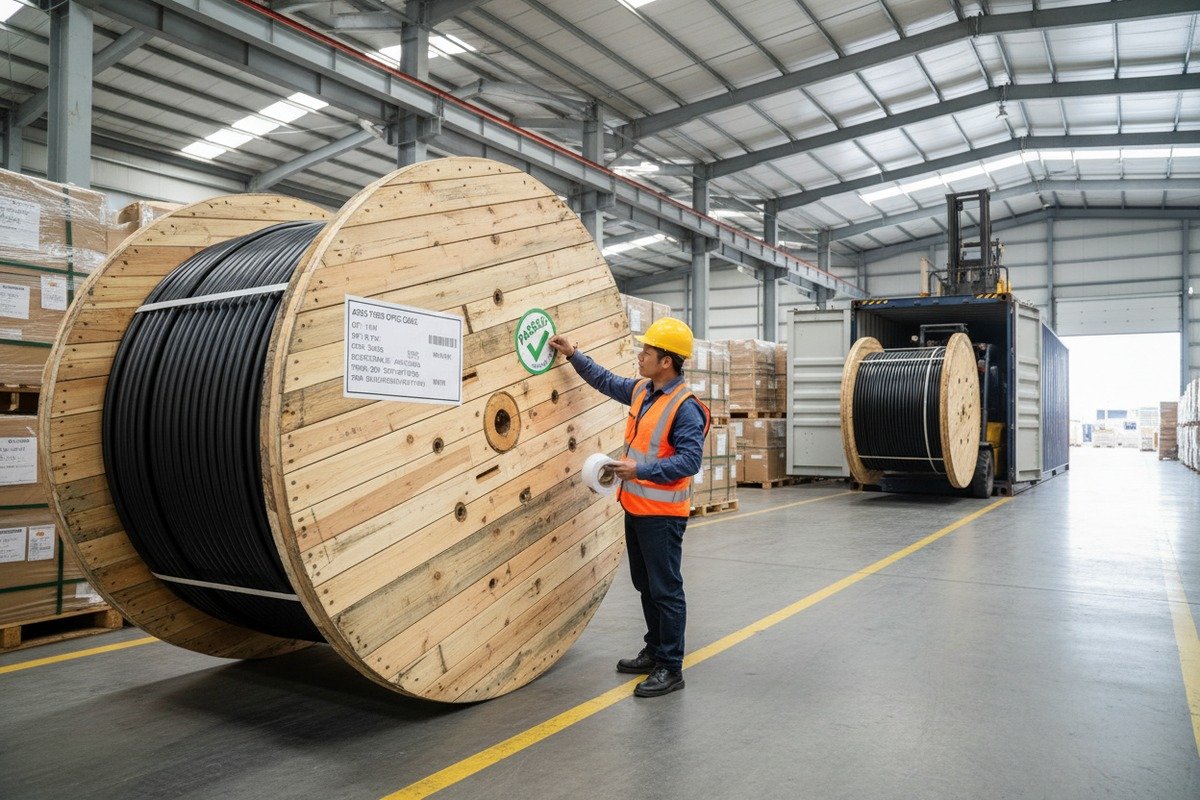
Use your third-party inspector to independently witness live OTDR scans on randomly selected reels, compare the results against the factory's pre-existing reports for consistency, and perform drop/vibration simulation checks on wooden reels and packaging to confirm they will survive 30+ days of ocean freight without damage.
Verifying OTDR Reports Step by Step
Factory OTDR reports are valuable, but they can be cherry-picked. A factory might test 100 reels and only share the 95 best results. Or they might test at a favorable wavelength and skip the one that reveals problems. Here is how your inspector should handle OTDR verification:
- Random selection. The inspector — not the factory — chooses which reels to test. Use a random number generator or select based on production date spread.
- Same equipment parameters. The inspector should record the OTDR model, wavelength, pulse width, averaging time, and index of refraction. These must match the factory's test conditions for a fair comparison.
- Compare event tables. Every splice and connector should appear in the same position on both the factory's report and the inspector's trace. A missing event may indicate a broken fiber that was re-spliced and hidden.
- Check total link loss. The inspector's measured total loss should be within ±0.05 dB/km of the factory report. Larger discrepancies warrant a full investigation.
- Request digital files. Ask for OTDR .sor files 10 (Bellcore format), not just PDF printouts. Digital files can be opened in any OTDR viewer and cannot be easily altered without leaving traces.
Packaging Durability: Why It Matters for ADSS
ADSS cable ships on large wooden or plywood reels, typically 1.2–2.0 meters in diameter. These reels travel by truck to the port, sit in a container for 25–40 days at sea, and then get trucked again to the job site. At every stage, the cable is at risk.
Common packaging failures include:
- Reel flanges cracking under stacking pressure.
- Outer cable layers getting abraded against loose reel boards.
- Rain or condensation entering poorly wrapped reels and corroding fittings.
- Cable ends not being properly sealed, allowing moisture into the fiber tubes.
Inspector's Packaging Checklist
Your inspector should check every reel against this list:
- Reel construction: Hardwood or marine-grade plywood, minimum 18mm thickness on flanges. No cracked or split boards.
- Cable winding: Even layers, no crossovers, no gaps. The outermost layer should sit at least 50mm below the flange edge.
- End sealing: Both cable ends must be heat-shrunk or taped with waterproof compound.
- Wrapping: Full circumference wrap with stretch film or woven polypropylene. Minimum two layers.
- Labeling: Each reel must have a weatherproof label showing cable type, length, reel number, production date, and test status.
- Stacking marks: "This side up" and "Do not stack more than X high" indicators clearly printed.
A Simple Cost-Benefit View
| Scenario | Estimated Cost | Outcome |
|---|---|---|
| Third-party inspection (1-day visit) | $300–$800 | Catches defects before shipment; 15-minute fix at factory |
| Defective reel discovered at destination port | $2,000–$5,000 per reel (return freight, re-testing, project delay) | Construction crew idle; contractor penalties possible |
| OTDR discrepancy found after installation | $10,000–$50,000+ (re-pull, re-splice, downtime) | Network outage; reputation damage to contractor |
The math is straightforward. A single day of inspection that costs $500 can prevent losses a hundred times greater. When we prepare shipments at our Hainan facility, we always recommend that buyers include both OTDR witnessing and packaging checks in their inspection scope — it is the most cost-effective quality insurance available.
Digital OTDR Data Sharing
A growing trend in 2025 and 2026 is remote OTDR verification. The inspector captures .sor files on-site and uploads them to a shared cloud folder. Your engineering team can then review the traces from their office in real time — or within hours. This does not replace on-site inspection, but it adds a powerful layer of transparency. Ask your agency if they support this workflow.
Conclusion
Third-party inspection is not an expense — it is an investment that protects your project, your timeline, and your reputation. Use this guide to build a solid inspection workflow for every ADSS cable order from China.
Footnotes
1. Provides a comprehensive definition and overview of All-Dielectric Self-Supporting (ADSS) cables. ↩︎
2. Lists and describes accredited third-party certification bodies and their importance. ↩︎
3. Details the characteristics of bending-loss insensitive single-mode optical fibers for access networks. ↩︎
4. Authoritative source from a major aramid manufacturer, explaining what aramid is and its properties. ↩︎
5. Explains the international standard for optical fiber cables, covering design, construction, and testing. ↩︎
6. Provides a quick start guide to understanding and performing Optical Time Domain Reflectometer (OTDR) testing. ↩︎
7. Defines the general requirements for the competence, impartiality, and consistent operation of testing and calibration laboratories. ↩︎
8. Explains optical attenuation, its causes, and its significance in fiber optics. ↩︎
9. Compares AT (Anti-Tracking) and PE sheaths in ADSS cables, highlighting their applications. ↩︎
10. Defines the .sor file format used for storing Optical Time Domain Reflectometer (OTDR) test data. ↩︎