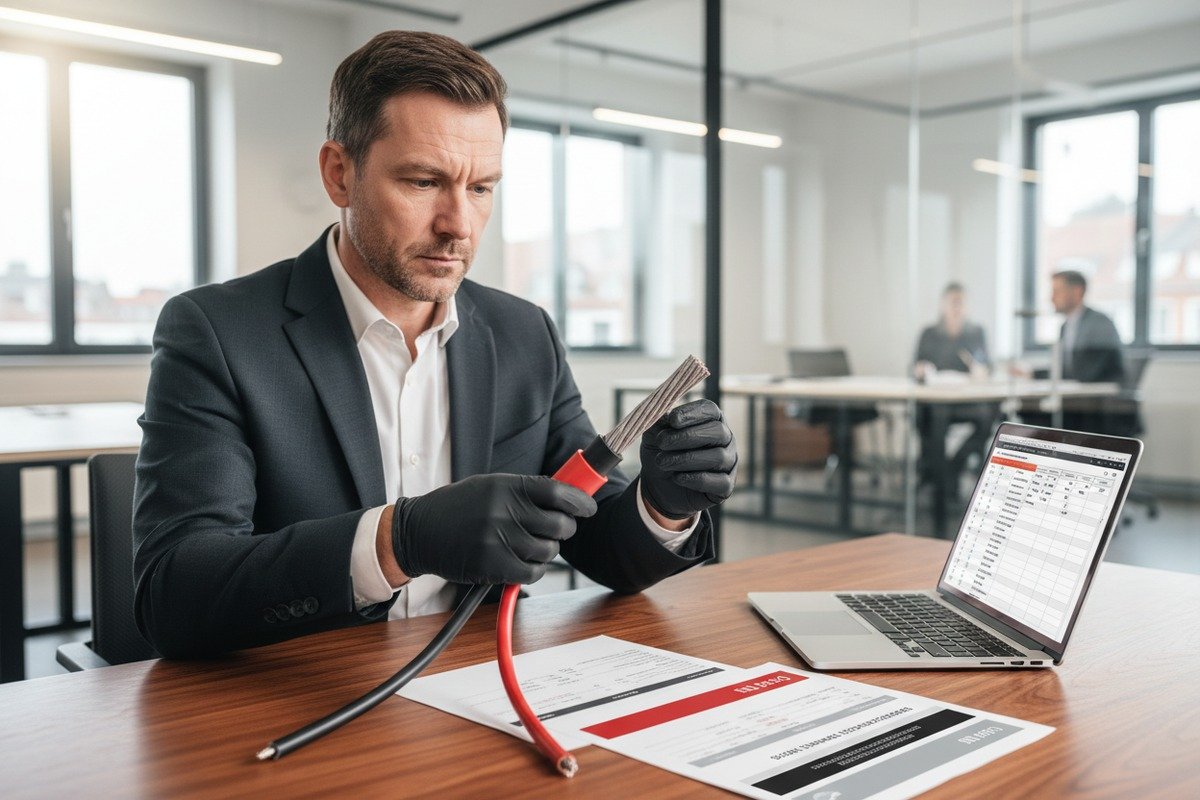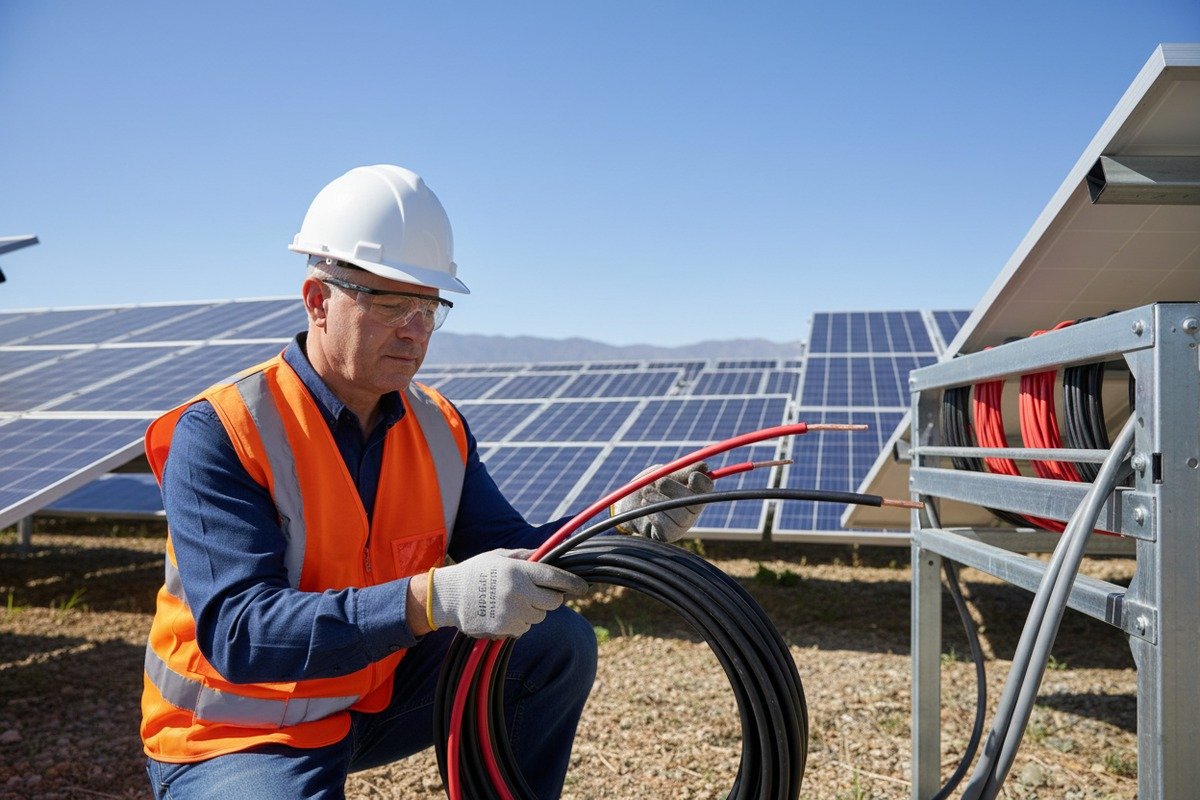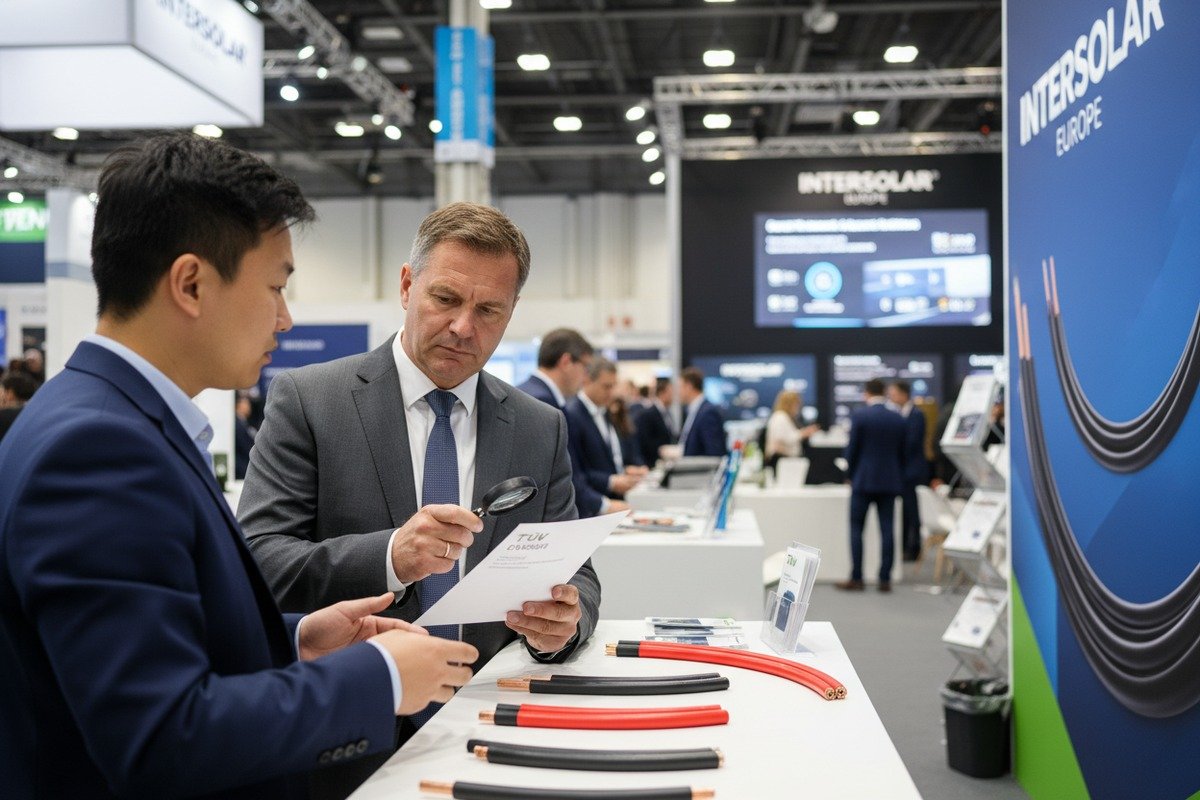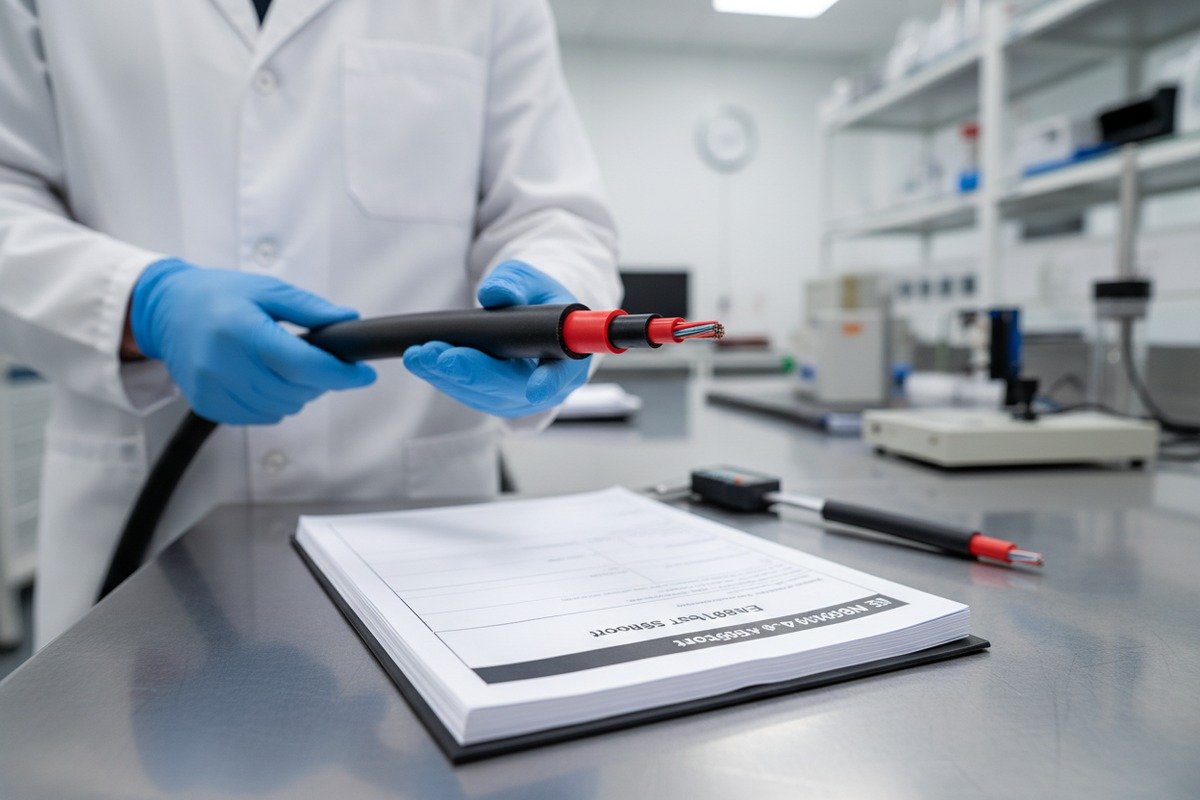

Every year, our sales team hears the same story from new buyers: they placed an order with a "factory" in China, only to discover the cables failed on the tower because materials were quietly downgraded third-party audit agency 1. It is a painful and expensive lesson.
To arrange a factory audit for ADSS fiber optic cable production in China, you should first vet suppliers through video calls and technical quizzes, then define your audit scope covering raw materials, production processes, testing equipment, and certifications, and finally conduct a structured on-site visit or hire a qualified third-party inspection agency.
Below, we break down the exact steps, checkpoints, and insider tips you need to run a successful ADSS cable factory audit. Whether you plan to visit yourself or send an inspector, this guide covers everything from production line checks to certification verification.
What key production processes should I inspect during my ADSS cable factory audit?
When we walk international buyers through our 230,000 m² production facility, the first thing they notice is how many distinct stages ADSS cable manufacturing actually involves. Missing even one checkpoint can lead to cables that fail under wind load or UV exposure.
During an ADSS cable factory audit, you should inspect fiber coloring and loose tube production, aramid yarn stranding, outer sheath extrusion, and all inline quality tests including attenuation measurement, tensile strength verification, and OTDR testing at each critical production stage.
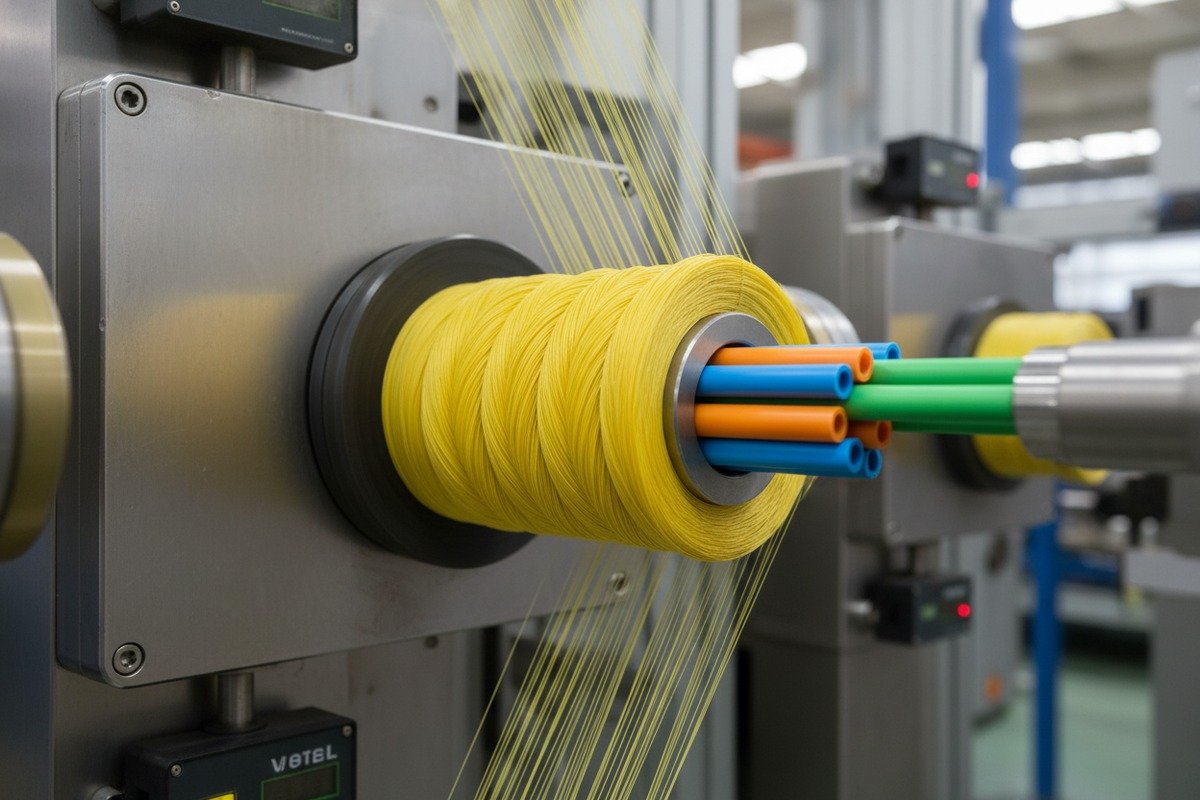
ADSS cable manufacturing is not a single-step process. It involves multiple sequential stages, and each one directly affects the final cable's performance on overhead power lines. A thorough audit must cover every stage from raw fiber input to finished cable on the drum.
Fiber Coloring and Loose Tube Extrusion
The process begins with bare optical fibers being colored for identification and then placed into loose tubes filled with gel. During your audit, check the following:
- Fiber type matches your specification (e.g., G.652D or G.657A1).
- Color coding follows a consistent standard (TIA-598 or IEC 60304 2).
- Gel filling is uniform with no air pockets.
- Tube dimensions meet the drawing specifications.
This step is critical because poor gel filling leads to water ingress, and incorrect fiber counts create installation nightmares.
Aramid Yarn Stranding and Central Strength Member
ADSS cables rely entirely on aramid yarn 3 (such as Kevlar® or Twaron®) for their tensile strength. There is no metallic strength member. During this stage, verify:
- The aramid yarn brand and grade match your purchase order.
- Yarn tension is monitored during stranding.
- The number of yarn ends matches the cable's rated span and tensile specification.
Outer Sheath Extrusion
The jacket protects everything inside from UV, wind, ice, and electrical tracking. For ADSS cables used near high-voltage lines, the outer sheath material matters enormously. Inspect whether the factory uses standard PE or AT (anti-tracking) jacket material based on your voltage requirements.
Inline and Final Testing
Every production run should include inline optical testing. Here is a summary of the key tests to verify:
| Test Type | What It Measures | Acceptable Reference Standard |
|---|---|---|
| Attenuation (1310/1550 nm) | Signal loss per kilometer | ITU-T G.652D thresholds |
| Tensile Strength | Maximum allowable pulling force | IEC 60794-1-2 Method E1 4 |
| Crush Resistance | Cable integrity under lateral load | IEC 60794-1-2 Method E3 |
| Temperature Cycling | Performance across -40°C to +70°C | IEC 60794-1-2 Method F1 |
| OTDR Trace | End-to-end fiber continuity and events | Factory protocol per IEC 61280 |
| Water Penetration | Resistance to longitudinal water flow | IEC 60794-1-2 Method F5 |
Ask the factory to show you live test results from a current production batch. Compare those results against the specification sheet they provided during quoting. Any mismatch is a red flag.
Traceability and Batch Control
Each cable drum should carry a unique batch number linked back to the raw fiber lot, aramid yarn lot, and sheath material batch. Our system, for example, allows any drum to be traced to its exact production date, shift, and operator. If a factory cannot demonstrate this level of traceability, their quality management system 5 has gaps.
How can I verify that the factory is using genuine aramid yarn and high-grade materials for my order?
Material downgrading is the single biggest complaint we hear from procurement managers who have been burned by low-cost suppliers. On our production floor, we keep incoming material certificates posted beside each raw material storage zone so any visitor can cross-check them instantly.
To verify genuine aramid yarn and high-grade materials, request original manufacturer certificates of conformity for each raw material lot, cross-check brand labels on yarn spools and fiber reels against purchase orders, and conduct random sampling of incoming materials with third-party lab testing if needed.
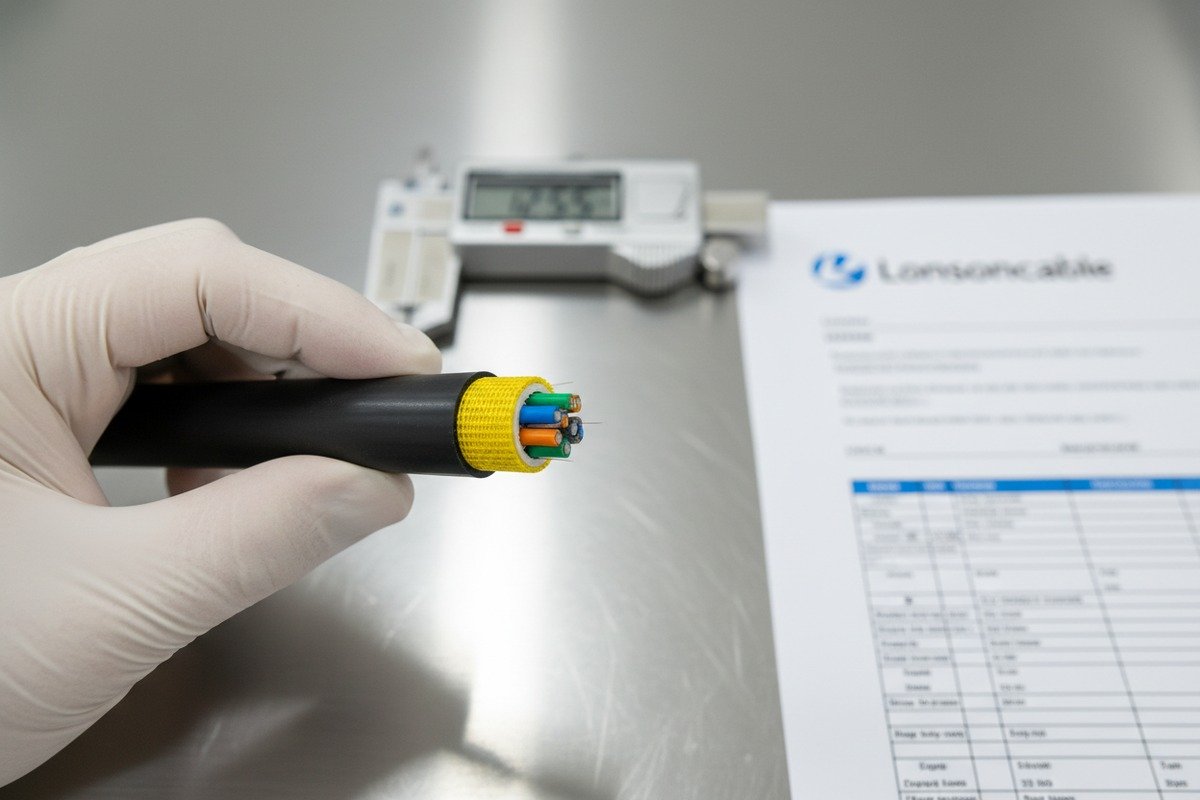
Material fraud is not always obvious. Some factories blend a small percentage of genuine Kevlar® with cheaper imitation yarn to reduce costs. Others substitute G.652D fiber with lower-grade alternatives. Here is how you catch it.
Check the Aramid Yarn Directly
Walk into the raw material warehouse. Look at the yarn spools. Genuine aramid yarn from DuPont (Kevlar®), Teijin (Twaron®), or Hyosung will have branded packaging, lot numbers, and certificates of analysis. Ask to see:
- The original purchase invoice from the yarn supplier.
- The certificate of conformity (CoC) 6 for the specific lot on the floor.
- Whether the lot number on the spool matches the CoC.
If the factory claims to use Kevlar® but cannot produce a DuPont invoice, that is a clear warning sign.
Verify Optical Fiber Source
The same logic applies to the optical fiber itself. Major fiber suppliers include Corning, YOFC, Hengtong, and Futong 7. Each provides a fiber test report with the shipment. During your audit, match the fiber spool serial numbers to the supplier's delivery note and test data.
| Material | Genuine Source Indicators | Red Flags |
|---|---|---|
| Aramid Yarn | Branded spools, matching CoC, supplier invoice | Unmarked spools, no CoC, mismatched lot numbers |
| Optical Fiber (G.652D) | Supplier test report, spool serial number match | Generic labels, no attenuation data, mixed spool brands |
| PE/AT Jacket Compound | Material data sheet, melt flow index records | No documentation, unknown resin supplier |
| Filling Gel | Supplier specification sheet, viscosity test records | Unlabeled drums, no incoming inspection record |
Incoming Material Inspection Records
A well-run factory tests every incoming material batch before it enters production. Ask to see the incoming quality control (IQC) log. This log should record:
- Date of receipt.
- Supplier name and lot number.
- Test results (e.g., yarn tensile strength, fiber attenuation).
- Accept or reject decision.
- Inspector's signature.
If the factory has no IQC records, their quality system is not functioning regardless of what their ISO 9001 certificate says.
Third-Party Lab Verification
For high-value orders, consider taking random samples of aramid yarn and fiber from the factory and sending them to an independent lab. A tensile test on the yarn and an attenuation test on the fiber will confirm whether the materials meet the claimed specifications. This costs relatively little compared to the risk of a full shipment of substandard cable.
Cross-Check Material Quantities Against Your Order
Here is a practical trick: calculate how much aramid yarn your order requires based on the cable design and total length. Then ask the factory to show purchase records for that yarn. If they ordered 2,000 kg of Kevlar® but your order requires 5,000 kg, either they are supplementing with cheaper material or they had existing stock. Ask them to explain the gap.
Should I hire a third-party agency or visit the China facility myself to ensure quality standards?
Over the past 30 years of exporting fiber optic cables, we have hosted both individual buyers and professional inspection teams from firms like SGS, Bureau Veritas, and TÜV. Each approach has clear advantages depending on your situation.
If you lack technical fiber optic expertise or cannot travel to China, hire a reputable third-party audit agency with telecom industry experience. If you have engineering knowledge and want to build a direct relationship with the factory, a personal visit combined with a pre-audit checklist delivers the deepest insight.
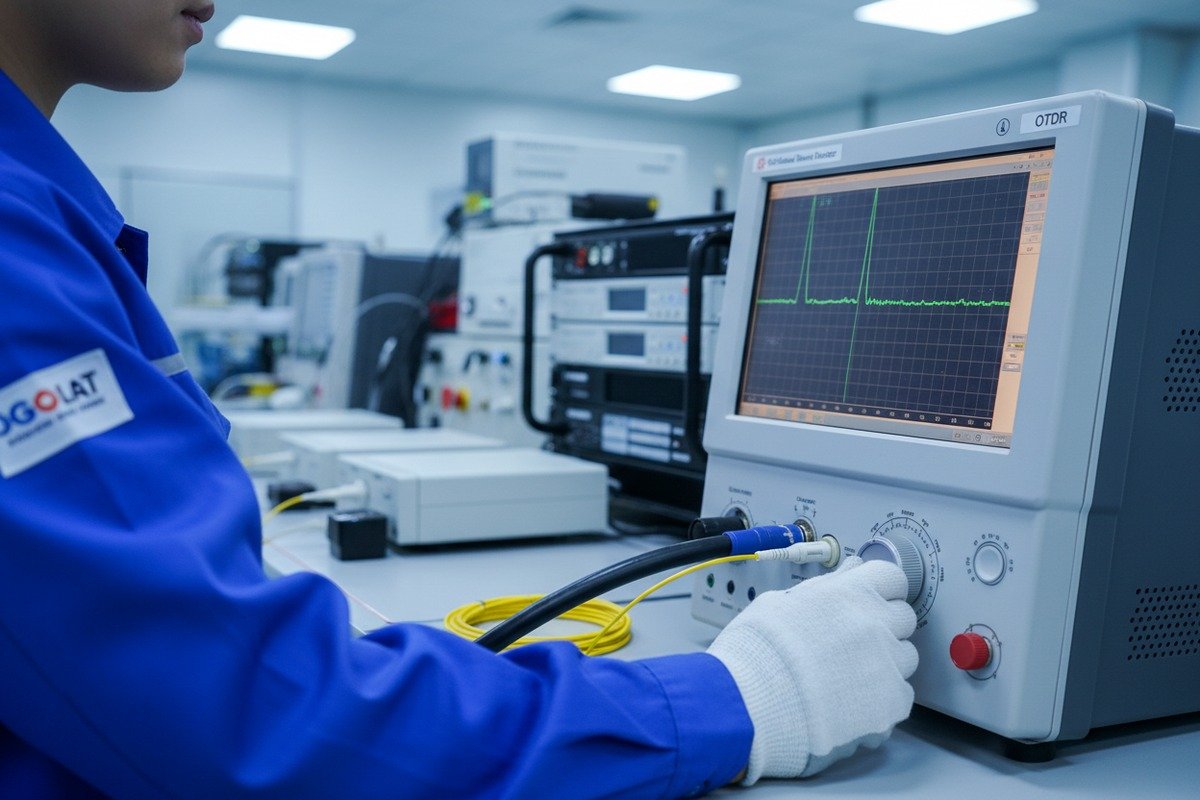
This is not an either-or decision for many serious buyers. The best approach often combines both methods at different stages of the supplier relationship. Let me explain why.
When to Visit Yourself
A personal visit makes sense when:
- You are placing a large first order (e.g., over $100,000).
- You have fiber optic engineering knowledge.
- You want to evaluate the factory's culture, management, and responsiveness firsthand.
- You are considering a long-term OEM/ODM partnership.
During a personal visit, you can ask spontaneous questions, request to see areas not on the planned tour, and observe worker behavior and factory cleanliness without a script. You also build personal rapport with the factory's management team, which matters enormously in Chinese business culture.
When to Hire a Third-Party Agency
A third-party agency is the better choice when:
- You cannot travel to China due to time, cost, or visa constraints.
- You need a standardized, objective report covering 400+ data points.
- You require audit documentation for regulatory compliance or internal procurement policies.
- You want ongoing production monitoring across multiple shipments.
Professional audit firms typically complete a comprehensive factory audit in 2–5 days and deliver a PDF report within 72 hours. They follow structured methodologies that cover documentation review, facility inspection, employee interviews, and production sampling.
Comparing Both Approaches
| Factor | Personal Visit | Third-Party Agency |
|---|---|---|
| Cost | Flight + hotel + time away from office | Agency fee ($800–$3,000 per audit) |
| Technical Depth | Depends on your expertise | Depends on auditor's fiber optic knowledge |
| Objectivity | May be influenced by hospitality | Structured scoring system reduces bias |
| Relationship Building | Strong personal connection | Minimal relationship impact |
| Report Formality | Your own notes and photos | Professional PDF report with scores |
| Repeat Monitoring | Requires repeated travel | Can be scheduled remotely for each shipment |
| Speed of Arrangement | Visa and travel logistics needed | Can be booked within 1–2 weeks |
The Combined Approach
Many of our long-term partners use this strategy: they visit the factory once to establish the relationship, assess the facility, and meet the engineering team. Then they hire a third-party agency for pre-production inspections and during-production inspections on subsequent orders. This gives them both the personal trust and the ongoing quality assurance they need.
Choosing the Right Third-Party Agency
Not all audit firms understand fiber optic cable manufacturing. When selecting an agency, ask these questions:
- Have you audited fiber optic cable factories before?
- Do your auditors understand OTDR testing and attenuation measurement?
- Can you verify IEC 60794 compliance and ITU-T fiber specifications?
- Will you provide raw photos and test data, not just summary scores?
A generalist consumer-goods auditor may miss critical fiber optic quality issues that a specialized telecom auditor would catch immediately.
Pre-Visit Screening Saves Time and Money
Before committing to either approach, conduct remote pre-screening. Request a live video call where the factory walks you through the production floor. Ask specific technical questions like: "What is the typical attenuation at 1550 nm for your G.652D fiber?" or "What brand of aramid yarn do you use for 200-meter span ADSS cables?" A real manufacturer answers these questions without hesitation. A trading company stumbles.
Also verify that the company name on their ISO 9001 certificate matches their business license and bank account. Mismatches often indicate you are dealing with a middleman, not a factory.
How do I validate the factory's testing equipment and certification authenticity during my visit?
When our engineering team prepares for buyer audits, we calibrate every testing instrument and lay out all certification documents in advance. We do this because we know that experienced procurement managers check these details carefully—and they should.
To validate testing equipment, check calibration stickers and certificates from accredited metrology labs on every instrument, verify calibration dates are current, and cross-reference ISO and product certifications directly with the issuing bodies through their online verification portals.
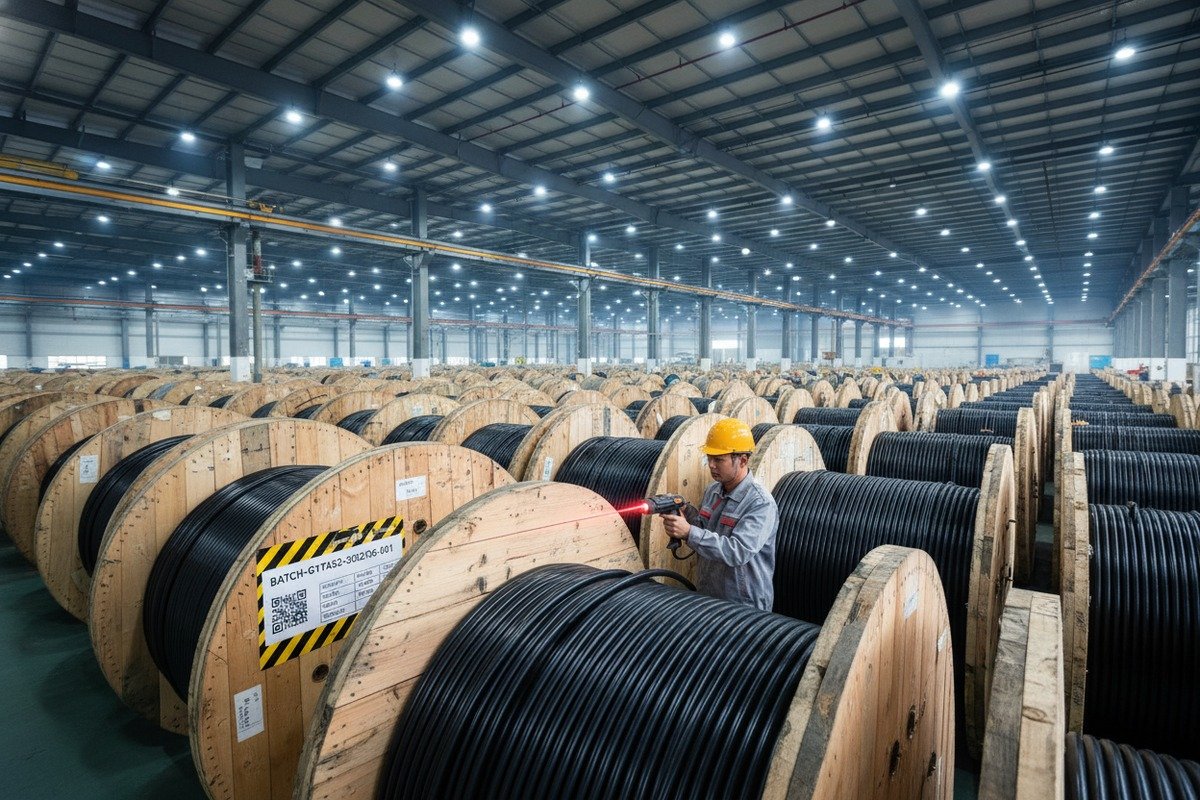
Testing equipment and certifications are the backbone of any quality claim. If the factory's OTDR is out of calibration or their ISO certificate is expired, every test result and quality promise becomes meaningless. Here is exactly what to check.
Testing Equipment Verification
Walk through the testing laboratory and production floor. Identify every piece of testing equipment used for ADSS cable quality control. For each instrument, verify:
- Calibration sticker: Every instrument should have a sticker showing the last calibration date, next calibration due date, and the calibration lab's name.
- Calibration certificate: Ask for the certificate from an accredited metrology laboratory (ideally CNAS-accredited in China 8). The certificate should include the instrument serial number, measurement uncertainty, and pass/fail determination.
- Instrument condition: Is the equipment clean, functional, and in active use? Dusty equipment sitting in a corner suggests it is there for show, not for production.
Key Instruments for ADSS Cable Production
Here are the instruments you should expect to find in a legitimate ADSS cable factory:
- OTDR (Optical Time Domain Reflectometer): For measuring fiber attenuation and detecting events like splices and breaks. Common brands include EXFO, VIAVI, and Yokogawa.
- Optical Power Meter and Light Source: For insertion loss testing.
- Tensile Testing Machine: For verifying cable and component tensile strength per IEC 60794.
- Temperature Chamber: For temperature cycling tests from -40°C to +70°C.
- Crush Resistance Tester: For lateral load testing.
- UV Aging Chamber: For accelerated UV exposure testing of jacket materials.
- Cable Diameter and Ovality Gauges: Inline measurement tools for dimensional control.
If the factory lacks any of these core instruments, they either cannot perform the tests they claim to perform, or they outsource testing—which reduces traceability and control.
Certification Authenticity Checks
Fraudulent certifications are a real problem in China sourcing. Follow these steps:
ISO 9001 / ISO 14001: Note the certification body's name and certificate number. Go to the certification body's website and use their online verification tool. Also check the IAF (International Accreditation Forum) CertSearch database 9 at www.iafcertsearch.org. The company name, scope, and validity dates must match exactly.
Product Certifications (CE, UL, CSA, ROHS): For UL and CSA, search the UL Product iQ database or CSA Group's certified product listing. For CE, ask the factory to provide the Declaration of Conformity and the test report from a Notified Body. A CE mark alone without supporting documentation is not meaningful.
IEC and ITU-T Compliance: These are standards, not certifications. The factory should be able to provide third-party test reports from accredited labs demonstrating that their cables meet IEC 60794 (cable construction and testing) and that their fibers comply with ITU-T G.652 or G.657 specifications.
Document Cross-Verification Checklist
Use this checklist during your visit:
- Does the company name on the ISO certificate match the business license?
- Does the company name match the bank account for your payment?
- Is the ISO certificate within its validity period?
- Are calibration certificates from CNAS-accredited laboratories?
- Do instrument serial numbers on calibration certificates match the physical instruments?
- Can the factory provide original third-party test reports (not just self-declarations)?
- Are product certification numbers verifiable through the certifying body's online database?
If any of these checks fail, pause and investigate further before placing your order. One mismatched document does not necessarily mean fraud, but a pattern of inconsistencies is a serious red flag.
What to Do If You Find Problems
If you discover expired calibrations, missing certifications, or suspicious documents during your visit, do not confront the factory aggressively. Instead, document everything with photos and notes. Ask calm, specific questions: "Can you help me understand why this calibration expired three months ago?" or "Can you provide the original test report for this CE marking?" A legitimate factory will work to resolve the issue. A fraudulent one will deflect and make excuses.
After the visit, consult with your third-party auditor or quality team before making a final sourcing decision. Sometimes a factory has genuine capability but sloppy documentation practices—which is fixable. Other times, the documentation problems reflect deeper quality system failures that put your project at risk.
Conclusion
A well-planned factory audit protects your investment and ensures the ADSS fiber optic cable 10s you receive actually match what was promised. Use these steps to verify production processes, materials, and certifications before committing.
Footnotes
1. Describes the role and benefits of a third-party audit agency from an industry leader. ↩︎
2. Explains fiber optic color coding standards TIA-598 and IEC 60304. ↩︎
3. Explains the properties, history, and uses of aramid yarn. ↩︎
4. Direct link to the international standard for fiber optic cable tensile strength testing. ↩︎
5. This is the official ISO page for ISO 9001, the most recognized international standard for quality management systems. ↩︎
6. Offers a clear and comprehensive explanation of what a Certificate of Compliance (CoC) is, its purpose, and its importance in various industries. ↩︎
7. Lists major global manufacturers of optical fiber and cables, including these companies. ↩︎
8. Official website for CNAS, China's national accreditation body for conformity assessment. ↩︎
9. Direct link to the global database for verifying accredited certifications. ↩︎
10. Provides a comprehensive overview and definition of ADSS fiber optic cables. ↩︎