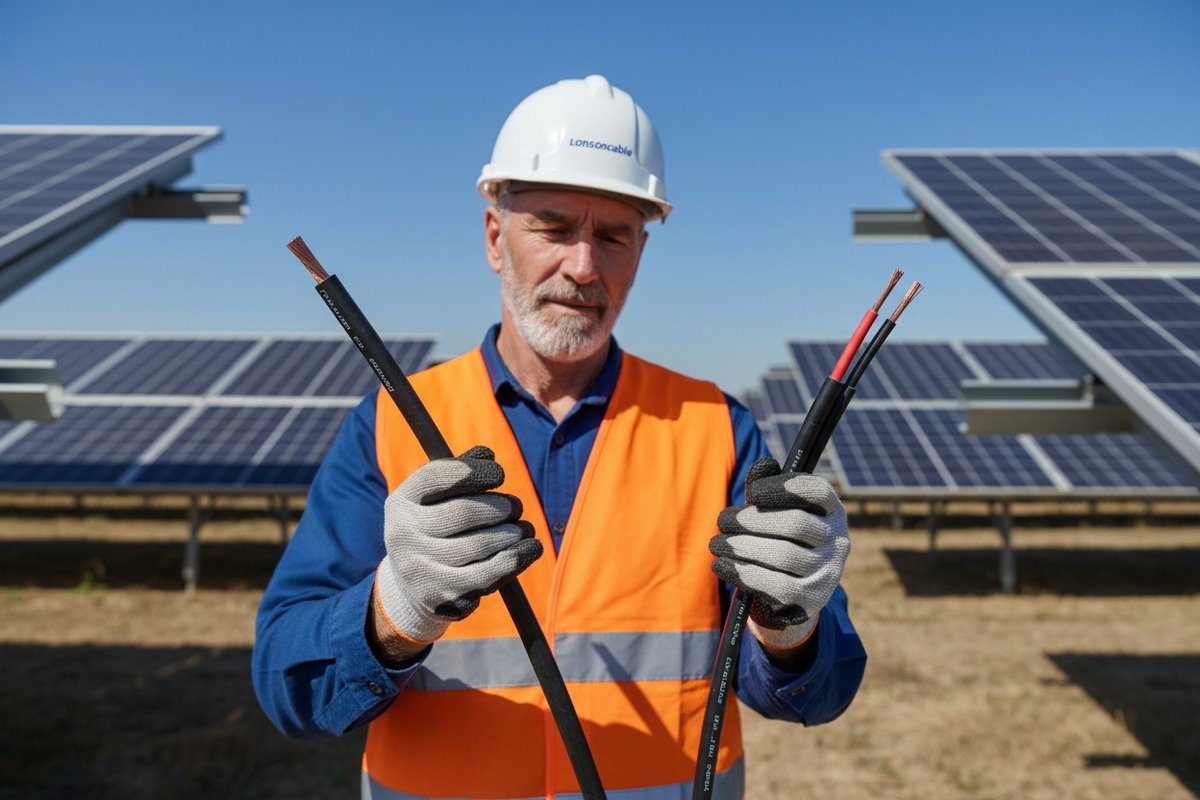
Every week, our sales team fields the same question from installers across Europe, Southeast Asia, and Latin America: "Should I use single-core or twin-core cable 1 for this project?" The answer is never one-size-fits-all. A wrong pick can mean overheating, wasted labor, or even a failed grid inspection — problems no one wants on a deadline.
PV installers distinguish single-core from twin-core solar cable scenarios by evaluating project layout complexity, current capacity needs, heat dissipation requirements, and local code compliance. Single-core suits high-power, flexible routing; twin-core excels in compact, short DC runs where simplified cable management matters most.
Below, we break down each decision factor so you can match the right cable type to your next solar installation with confidence current capacity needs 2. Let's walk through it step by step.
How do I determine if a single-core or twin-core solar cable is better for my specific project layout?
Our engineering team has reviewed thousands of project specs from EPC contractors 3 in Germany, Brazil, and the Philippines heat dissipation requirements 4. The layout alone often dictates the cable choice before any other factor comes into play.
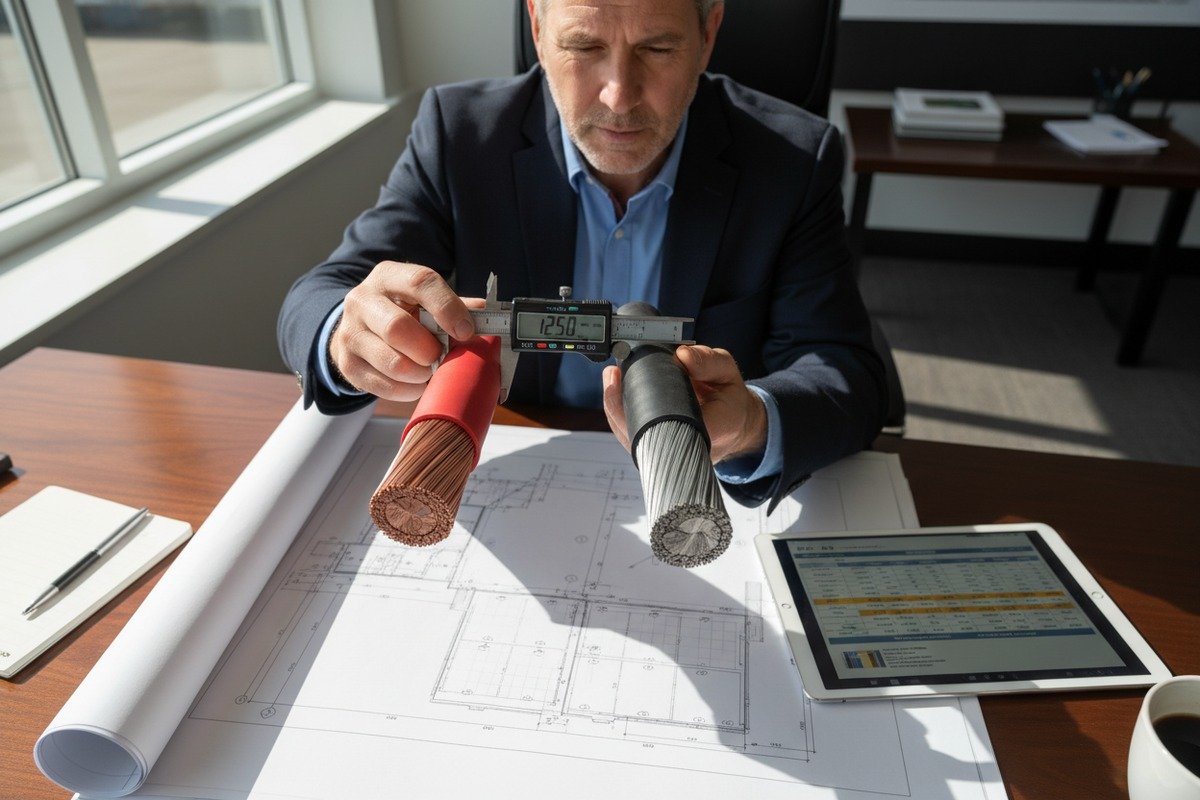
To determine the best cable, map your routing first. Single-core cables fit complex layouts with tight bends and long runs between panels. Twin-core cables work best for short, straight DC connections from rooftop arrays to inverters or combiner boxes where clean routing is a priority.
Start With Your Routing Map
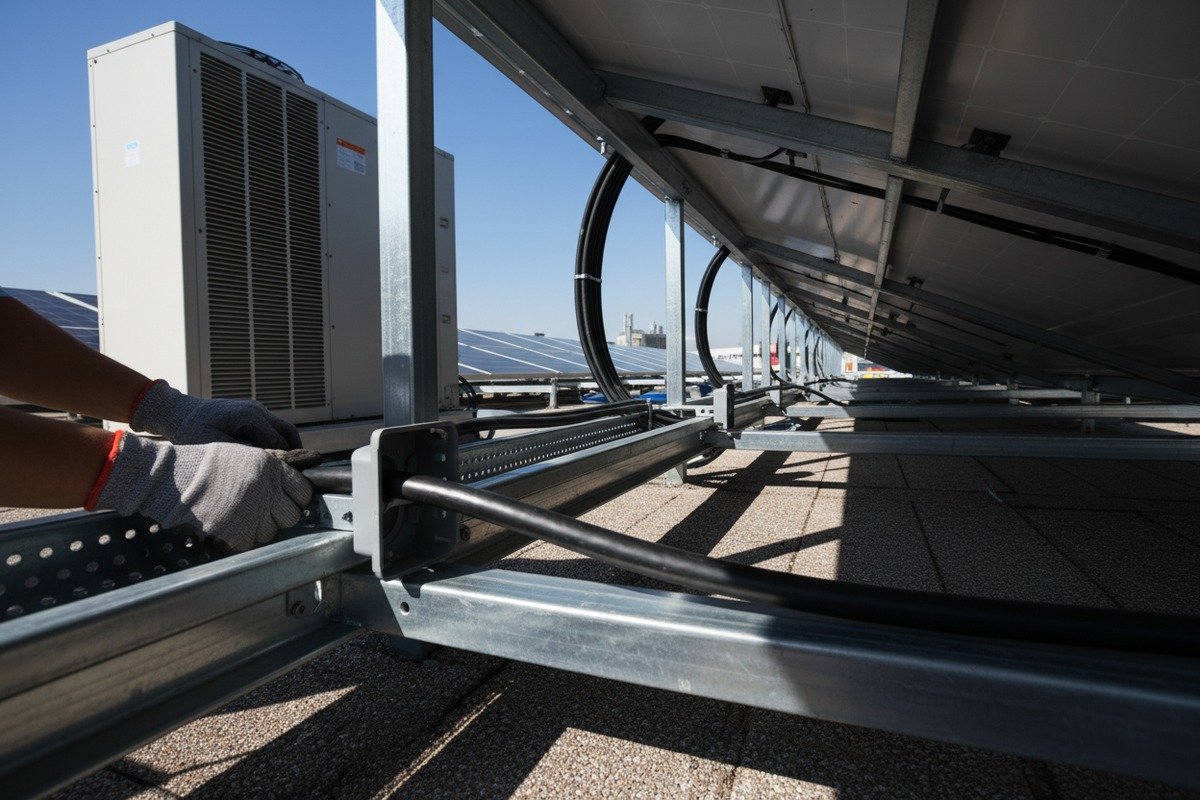
Before you order a single meter of cable, draw your routing path local code compliance 5. Ask yourself: How far does the cable travel? Does it need to bend around obstacles? Are there multiple string connections?
Single-core cables carry one conductor each — one positive, one negative series and parallel panel connections 6. You run them separately. This gives you total freedom. You can route the positive cable along one path and the negative along another. For rooftop residential systems with complex tilt angles and obstructions, this flexibility is hard to beat.
Twin-core cables bundle both polarities inside one sheath. They are thicker and stiffer. Bending them around tight corners is harder. But for a straight drop from a rooftop junction box down to a wall-mounted inverter, they save time and reduce clutter.
Layout Decision Matrix
| Layout Factor | Single-Core Recommended | Twin-Core Recommended |
|---|---|---|
| Run length | Long (>15 m) | Short (<15 m) |
| Routing complexity | High (multiple bends, obstacles) | Low (straight or gentle curves) |
| Panel string interconnections | Yes | No |
| Rooftop-to-inverter main DC line | Sometimes | Yes |
| Utility-scale solar farm | Yes | Rarely |
| Portable or RV systems | No | Yes |
Polarity and Panel Type Matter
If your system uses unipolar panel connections — where positive and negative leads exit from different junction points — single-core is the natural fit. solar panel wiring configurations 7 You need independent runs.
For bipolar panels, which is the most common configuration in residential and commercial installs today, twin-core can simplify things. Both conductors leave the panel area together, travel together, and terminate together.
Real-World Example
When we supply H1Z2Z2-K cables for a 1 MW ground-mount project in southern Spain, the EPC team almost always orders single-core in 6 mm² or 10 mm² sizes. The cable runs are long — sometimes 80 meters between string combiners. Flexibility and independent routing are essential.
For a 10 kW rooftop system in Hamburg, the same distributor often orders twin-core. The inverter sits just 5 meters from the array. The twin-core cable keeps things tidy, and the installer finishes faster.
Don't Forget Local Codes
In Germany, TUV-certified EN 50618 cables 8 are non-negotiable. Both single-core and twin-core versions exist under this standard. But some local building authorities require conductor separation in conduit — which effectively forces single-core. Always check before you buy.
Can I use twin-core cables to simplify my cable management and reduce on-site installation errors?
From our production floor in Hainan, we have seen a clear trend over the past five years: more residential and commercial installers are requesting twin-core options specifically to cut installation time.
Yes, twin-core cables simplify cable management significantly. By housing both positive and negative conductors in one sheath, they reduce cable count by half, minimize polarity mix-ups, and create neater wire trays. This is especially valuable for installers facing tight project timelines and labor shortages.
How Twin-Core Reduces Errors
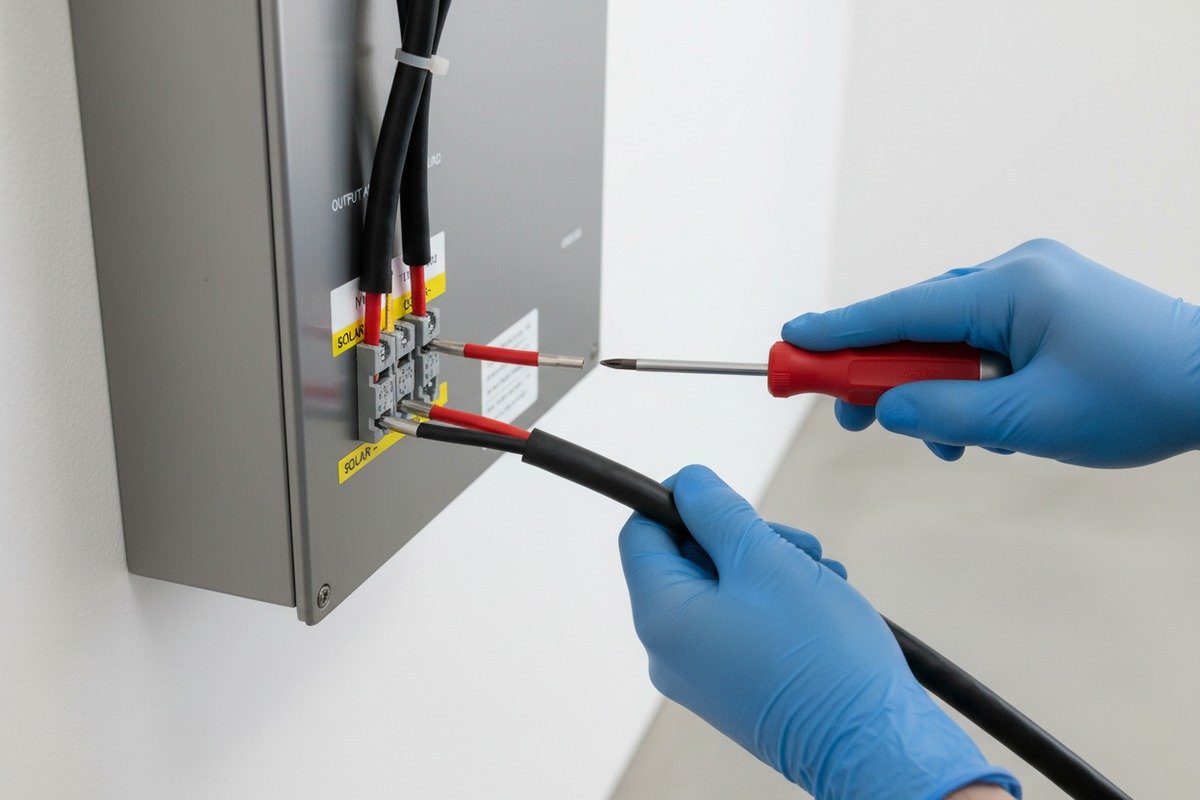
The number one wiring mistake on solar sites is polarity reversal. An installer grabs the wrong single-core cable, connects positive where negative should go, and the system faults. With twin-core, both conductors are color-coded — typically red and black or red and blue — inside a single jacket. You cut once, strip once, and both polarities are right there. The chance of a mix-up drops dramatically.
Time Savings Are Real
On a 50-panel commercial rooftop, switching from single-core to twin-core for the main DC trunk lines can save 2–4 hours of labor. That translates to real money. When our customers in the Philippines run crew sizes of 6–8 people, those hours add up across a month of projects.
| Installation Factor | Single-Core | Twin-Core |
|---|---|---|
| Number of cable runs needed | 2 (one per polarity) | 1 |
| Polarity identification | Requires labeling | Built-in color coding |
| Cable tray space used | More | Less |
| Risk of polarity reversal | Higher | Lower |
| Termination time per connection | Longer | Shorter |
| Labor cost impact | Higher | Lower |
When Twin-Core Cable Management Shines
Twin-core is at its best in these situations:
- Combiner box connections. Short runs from multiple panel strings into a single combiner box stay organized with twin-core.
- Microinverter systems. Module-level DC connections are short. Twin-core keeps them clean.
- Commercial rooftops with visible wiring. Building owners and inspectors notice messy cabling. Twin-core looks professional.
- Retrofit projects. Adding solar to an existing structure often means running cables through occupied spaces. Fewer cables mean less disruption.
But Don't Overlook the Limits
Twin-core is not a universal fix. If you need to replace one damaged conductor, you must replace the entire cable. With single-core, you swap just the affected run. Also, twin-core's larger outer diameter can make conduit sizing tricky. Our technical team always recommends checking conduit fill ratios before committing to twin-core in enclosed raceways.
A Note on Connector Compatibility
Both cable types terminate with standard MC4 connectors 9. However, twin-core requires a split at the termination point to separate conductors for individual connector crimping. Make sure your crew has the right stripping tools. We include stripping guides with every twin-core spool we ship, because proper preparation prevents field delays.
What performance trade-offs should I expect when comparing heat dissipation in single-core versus twin-core PV cables?
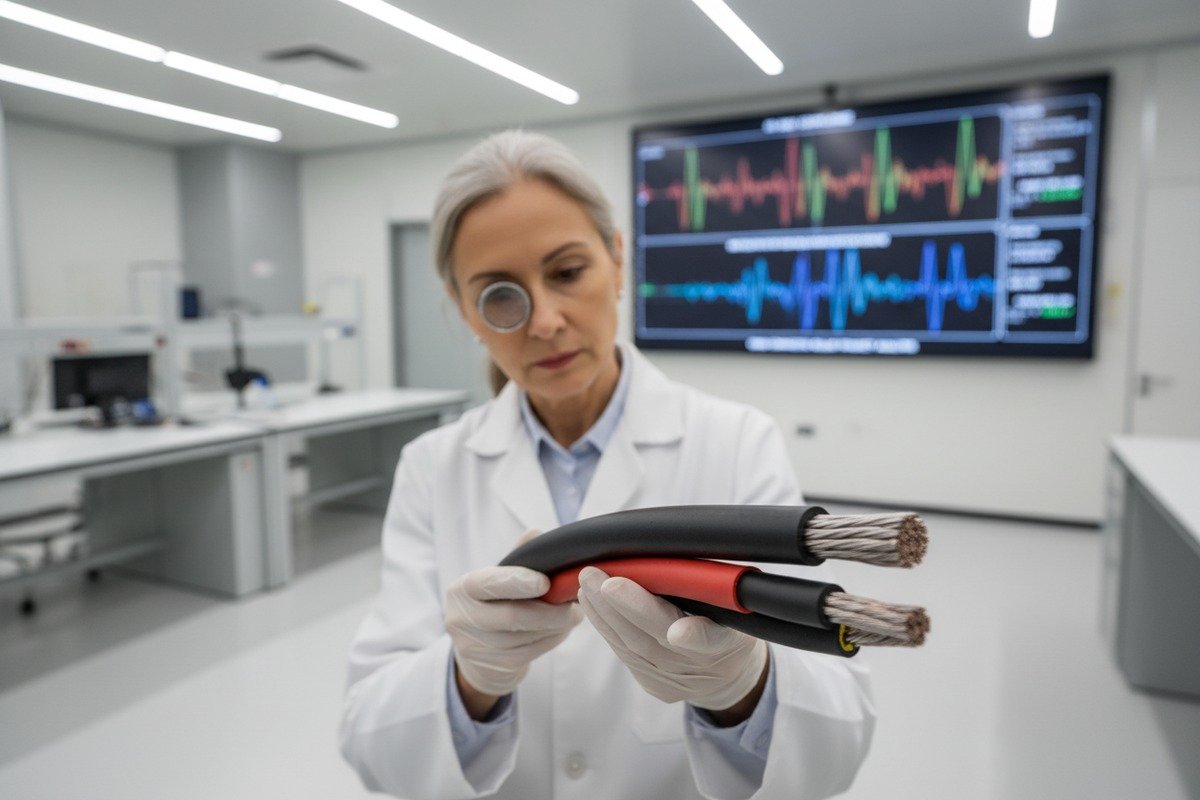
During quality testing at our 230,000 m² factory, our engineers run continuous thermal cycling tests on both cable types. The results consistently show a measurable difference that installers need to understand.
The main trade-off is ampacity versus protection. Single-core cables dissipate heat faster because each conductor is individually sheathed with full air exposure. Twin-core cables retain more heat due to two conductors sharing one jacket, which can derate ampacity by up to 20% in peak conditions but offers better external mechanical protection.
Why Heat Matters in PV Cables
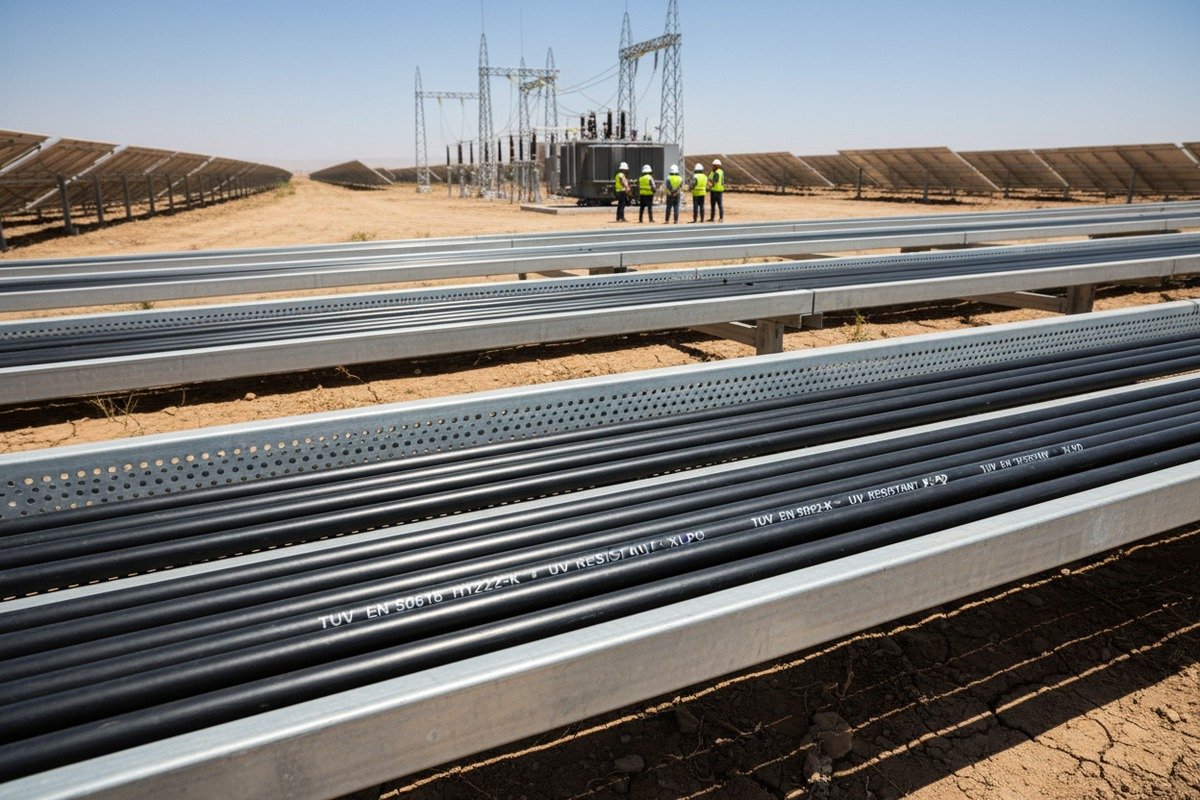
Solar cables sit in direct sunlight for decades. Rooftop temperatures can exceed 70°C on a summer afternoon. The cable's insulation — typically cross-linked polyolefin (XLPO) 10 — is rated for 90°C or 120°C continuous operation depending on the standard. But every degree matters. Higher operating temperatures accelerate insulation aging and reduce the cable's effective current-carrying capacity.
The Physics of Single-Core Heat Dissipation
A single-core cable has one conductor surrounded by insulation and an outer sheath. Heat generated by current flow radiates outward through the sheath into the surrounding air. Nothing traps it. Air circulates around the full circumference of the cable.
This is why single-core cables maintain higher ampacity ratings. The heat escape path is simple and efficient.
The Twin-Core Heat Challenge
In a twin-core cable, two current-carrying conductors sit side by side inside one shared jacket. Each conductor generates heat. That heat must pass through insulation, then through the space between conductors, and finally through the outer sheath. The conductors effectively warm each other.
This mutual heating effect is why manufacturers apply a derating factor to twin-core cables. In our H1Z2Z2-K twin-core product line, we specify derating tables that reduce the rated ampacity by 10–20% compared to the equivalent single-core size when ambient temperatures exceed 60°C.
Thermal Performance Comparison
| Thermal Factor | Single-Core | Twin-Core |
|---|---|---|
| Heat escape path | Direct to air (360°) | Shared sheath (restricted) |
| Mutual conductor heating | None | Present |
| Ampacity derating at >60°C | Minimal (5–10%) | Moderate (10–20%) |
| Best climate suitability | Hot (desert, tropical) | Temperate, shaded |
| External mechanical protection | Standard | Enhanced (thicker sheath) |
| Insulation aging rate in heat | Lower | Slightly higher |
Hot Climate Guidance
For projects in the Middle East, sub-Saharan Africa, or tropical Southeast Asia, we consistently recommend single-core. A 10 mm² single-core cable rated at 70 A in standard conditions might derate to 63 A at 60°C ambient. The same size twin-core might drop to 56 A. That 7 A difference can push you into needing a larger cable size, which raises costs and complicates routing.
When Twin-Core's Protection Wins
In cooler climates — northern Europe, for instance — the thermal penalty of twin-core is minor. And twin-core's thicker outer sheath provides better mechanical protection against abrasion, rodent damage, and UV degradation. For a rooftop in Munich where summer ambient rarely exceeds 40°C, twin-core performs well without meaningful ampacity loss.
Practical Tip
Always check the manufacturer's derating tables for the specific cable you are purchasing. Generic tables can mislead. When we ship cables to EPC contractors, we include project-specific derating charts based on the installation country's climate data. This small step prevents oversizing or undersizing errors that can cost thousands.
How does my choice of single-core or twin-core cable impact the overall durability and 25-year lifespan of my solar array?
With 30 years of cable manufacturing behind us, our team has tracked field performance data across climate zones. The durability question is not just about the cable itself — it is about how the cable ages within the system over a quarter century.
Both single-core and twin-core PV cables can achieve a 25-year lifespan when properly specified and installed. Single-core cables age more gracefully in hot climates due to better heat dissipation, while twin-core cables resist mechanical damage better. The key differentiator for long-term durability is matching cable type to site-specific environmental stresses.
What Degrades PV Cables Over 25 Years?
Four primary forces attack solar cables over their service life:
- UV radiation. Constant sun exposure breaks down polymer chains in the sheath.
- Heat cycling. Daily temperature swings expand and contract materials, creating micro-cracks.
- Moisture ingress. Rain, dew, and humidity penetrate damaged insulation.
- Mechanical stress. Wind movement, animal contact, foot traffic during maintenance.
Both cable types are built to handle these stresses when they meet EN 50618 or equivalent standards. But they handle them differently.
Single-Core Durability Profile
Single-core cables have a thinner profile. They move more freely in wind. This can cause abrasion where cables contact mounting structures. Over 25 years, repeated rubbing wears through the outer sheath. Installers must use proper cable clips and UV-resistant ties to prevent this.
On the positive side, single-core cables run cooler. Lower operating temperatures mean slower insulation degradation. In our accelerated aging tests (simulating 30 years at 85°C), single-core samples retained 92% of their original insulation strength. This matters in desert installations.
Individual conductor replacement is also simpler. If one cable fails at year 15, you replace just that run. The rest of the system stays intact.
Twin-Core Durability Profile
Twin-core cables have a thicker, more robust outer sheath. This provides superior abrasion resistance and better protection against rodent damage — a real problem in agricultural solar installations. The shared jacket also reduces the total number of cable entry points at junction boxes, which means fewer potential moisture ingress paths.
However, the internal heat buildup accelerates cross-linked insulation aging slightly. Our tests show twin-core samples at the same conditions retained 87% of original insulation strength. Still well within safe margins, but a measurable difference.
The downside for long-term durability: if one conductor inside the twin-core fails, you replace the entire cable. This doubles the repair cost and labor compared to single-core.
Lifespan Impact by Environment
| Environmental Condition | Single-Core Lifespan Impact | Twin-Core Lifespan Impact |
|---|---|---|
| Desert / extreme heat (>45°C avg) | Excellent — cooler operation | Good — monitor derating |
| Tropical / high humidity | Good — ensure proper clips | Very good — fewer moisture entry points |
| Coastal / salt spray | Good — individual replacement easy | Good — thicker sheath resists corrosion |
| Agricultural / rodent risk | Moderate — thinner sheath vulnerable | Excellent — robust outer jacket |
| Snow / freeze-thaw cycling | Good — flexible at low temps | Moderate — stiffer, check bend radius |
Maintenance Implications
Over 25 years, every solar array needs periodic cable inspections. Single-core systems have more individual cables to check, but each is easier to isolate and test. Twin-core systems have fewer cables to inspect, but faults are harder to localize — you might need to replace an entire twin-core run to fix one conductor's issue.
Our recommendation for maximum lifespan: use single-core for the panel-to-panel string wiring where flexibility and heat dissipation matter most, and twin-core for the main DC trunk lines where mechanical protection is the priority. This hybrid approach leverages the strengths of both cable types.
Certification Is Your Safety Net
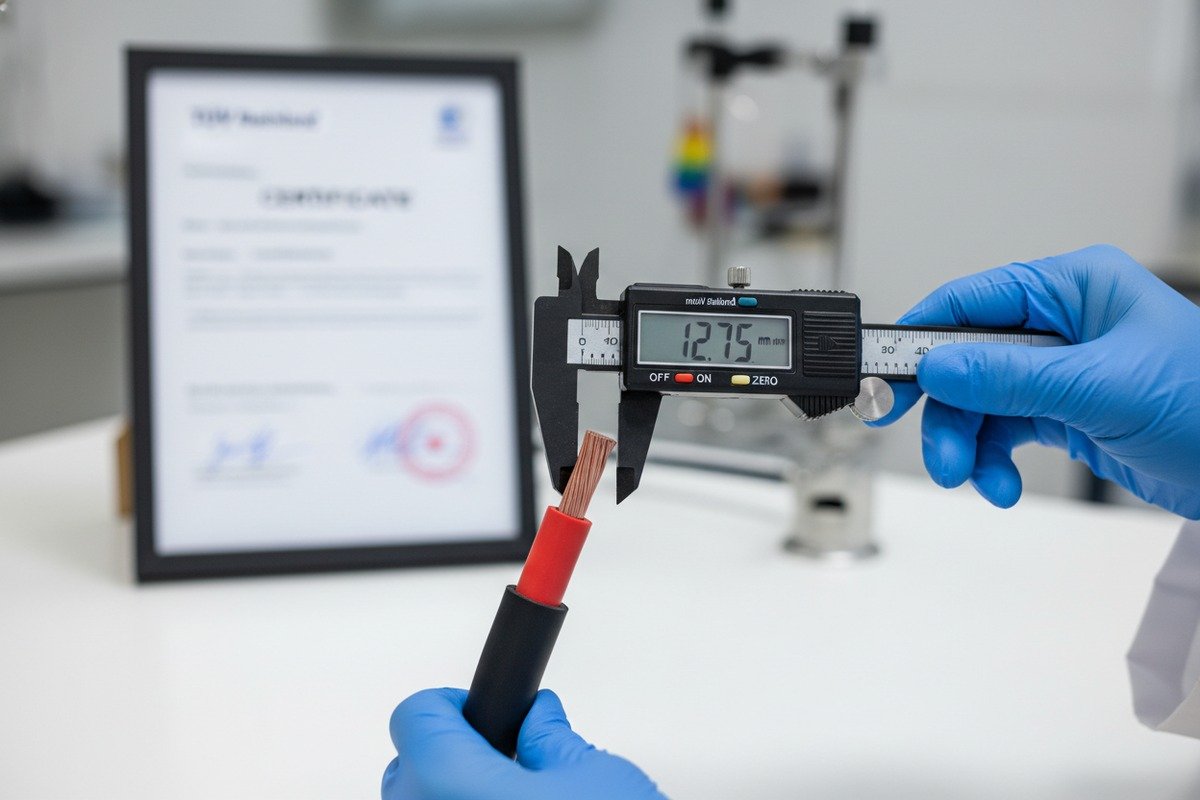
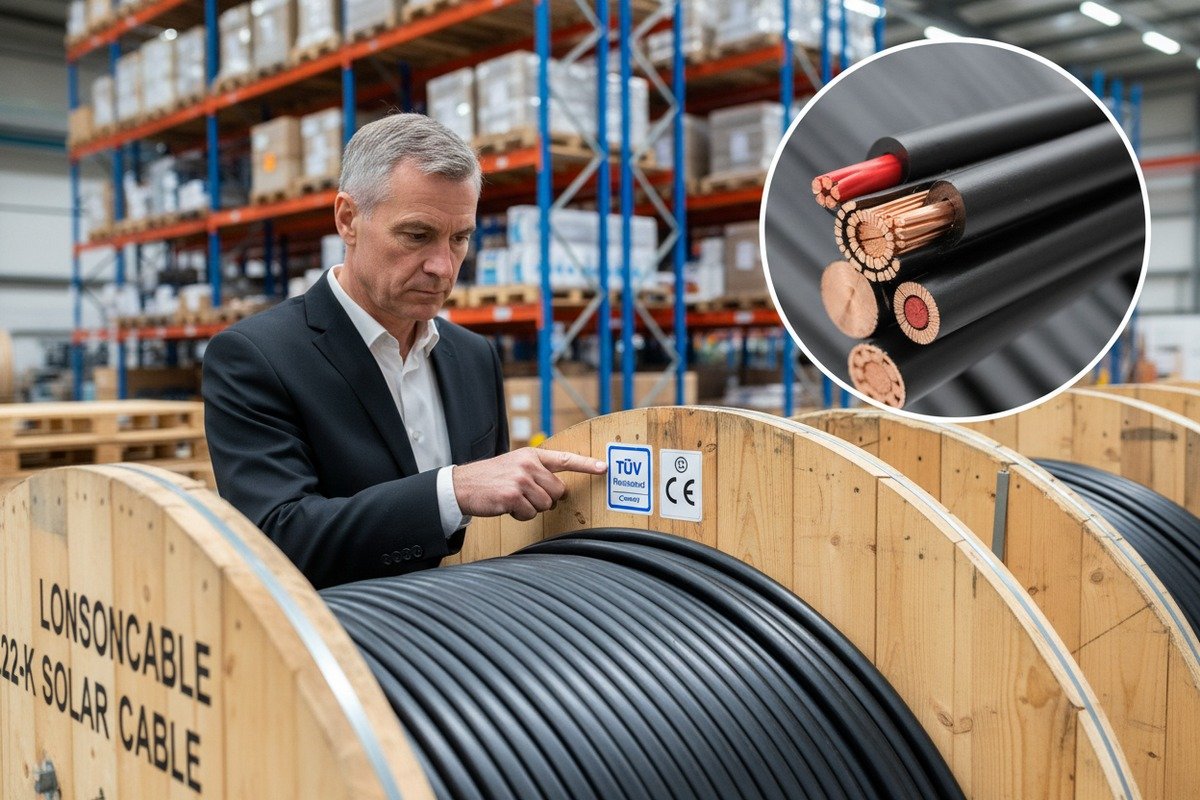
Regardless of which cable type you choose, insist on authentic TUV-certified EN 50618 or UL 4703 cables. We have seen projects fail inspection because contractors used cables with expired or fraudulent certifications. Our Lonsoncable products carry current TUV certification with CPR Class Dca fire ratings for European compliance. Every spool ships with traceable batch documentation.
A cable that meets standards on paper but fails in practice will not last 25 years. Independent batch testing is the only way to verify that the XLPO insulation, tinned copper conductors, and UV stabilizers in your cable are genuine.
Conclusion
Choosing between single-core and twin-core solar PV cable comes down to your specific project layout, climate, and installation priorities. Match the cable to the conditions, verify certifications rigorously, and your system will perform reliably for decades.
Footnotes
1. Compares the fundamental differences between these cable types. ↩︎
2. Explains how current capacity is determined for solar cables. ↩︎
3. Found a comprehensive guide explaining what EPC contractors are in the solar industry. ↩︎
4. Found an article specifically addressing how solar cables handle heat and its implications. ↩︎
5. Highlights the importance of adhering to regional electrical safety standards. ↩︎
6. The original anchor 'bipolar panels' is not a standard term. Replaced with an article explaining series and parallel connections for solar panels. ↩︎
7. The original anchor 'unipolar panel connections' is not a standard term. Replaced with a guide on general solar panel wiring configurations (series/parallel). ↩︎
8. Specifies the European standard for photovoltaic cables. ↩︎
9. Identifies the common connector type for solar PV systems. ↩︎
10. Found a comprehensive review and guide on XLPO cables specifically for solar PV systems. ↩︎