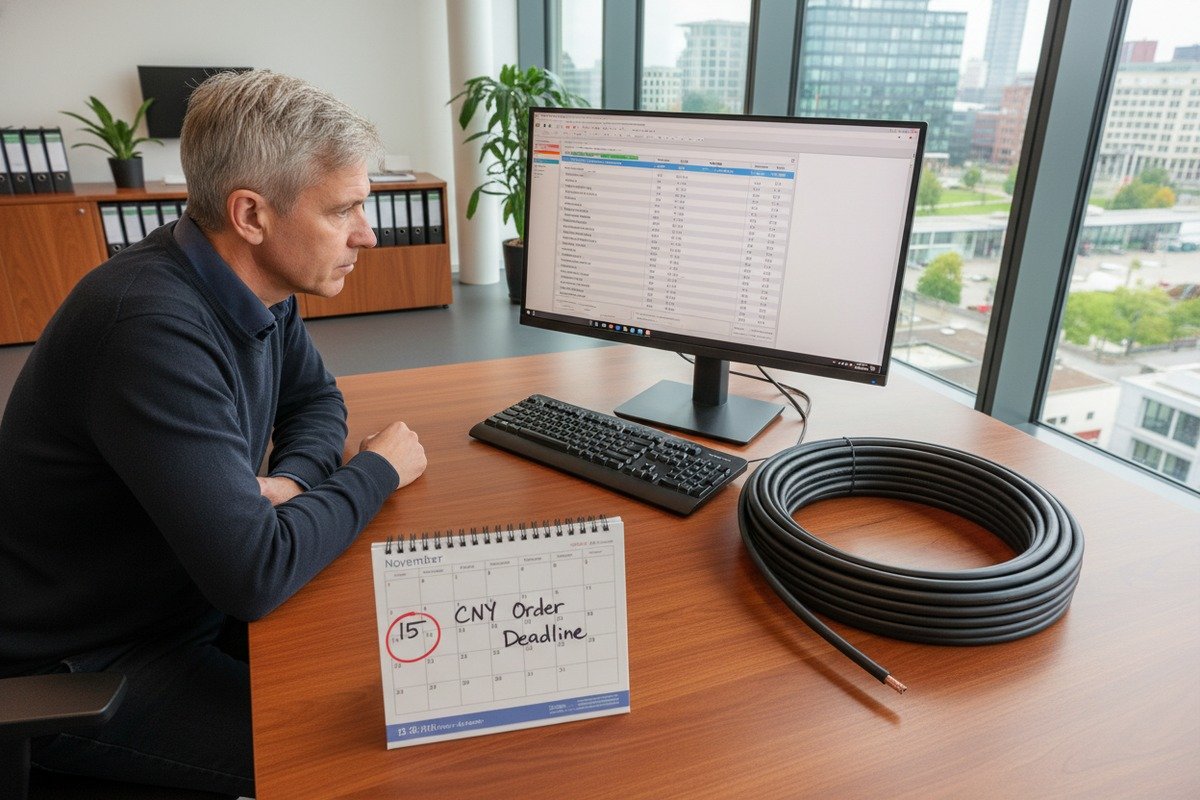
Every year around late January, our production lines at Lonsoncable slow to a halt Labor Day (May Day) 1. Machines go quiet. Workers travel home. And somewhere in Germany or Brazil, a procurement manager stares at a project timeline wondering where their H1Z2Z2-K cable 2 shipment went. The problem is not new, but the pain is always fresh. Missing a delivery window because of Chinese New Year 3 can trigger penalties, stall grid connections, and blow project budgets wide open.
To avoid Chinese New Year disruptions, place your solar PV cable orders 8–12 weeks before factory shutdowns—ideally by early November for Q1 delivery. Secure shipping containers 6 weeks ahead, build 4–6 weeks of safety stock, and confirm your supplier's exact holiday schedule in writing to prevent costly project delays.
This guide breaks down the exact steps you need to take EN50618 solar cable 4. We will cover order timing, quality control during the pre-holiday rush, freight booking strategies, and safety stock calculations. Let's walk through each one.
How early should I place my solar cable order to avoid the Chinese New Year production shutdown?
Our factory floor tells the same story every December: order volumes spike 40–60% as global buyers scramble to lock in production slots before the shutdown FOB terms 5.
Place your solar PV cable order at least 8–12 weeks before the Chinese New Year factory shutdown. For CNY 2027 (February 6), this means finalizing purchase orders by mid-November 2026 at the latest. Normal lead times of 4–6 weeks stretch to 8–12 weeks during the pre-holiday surge.
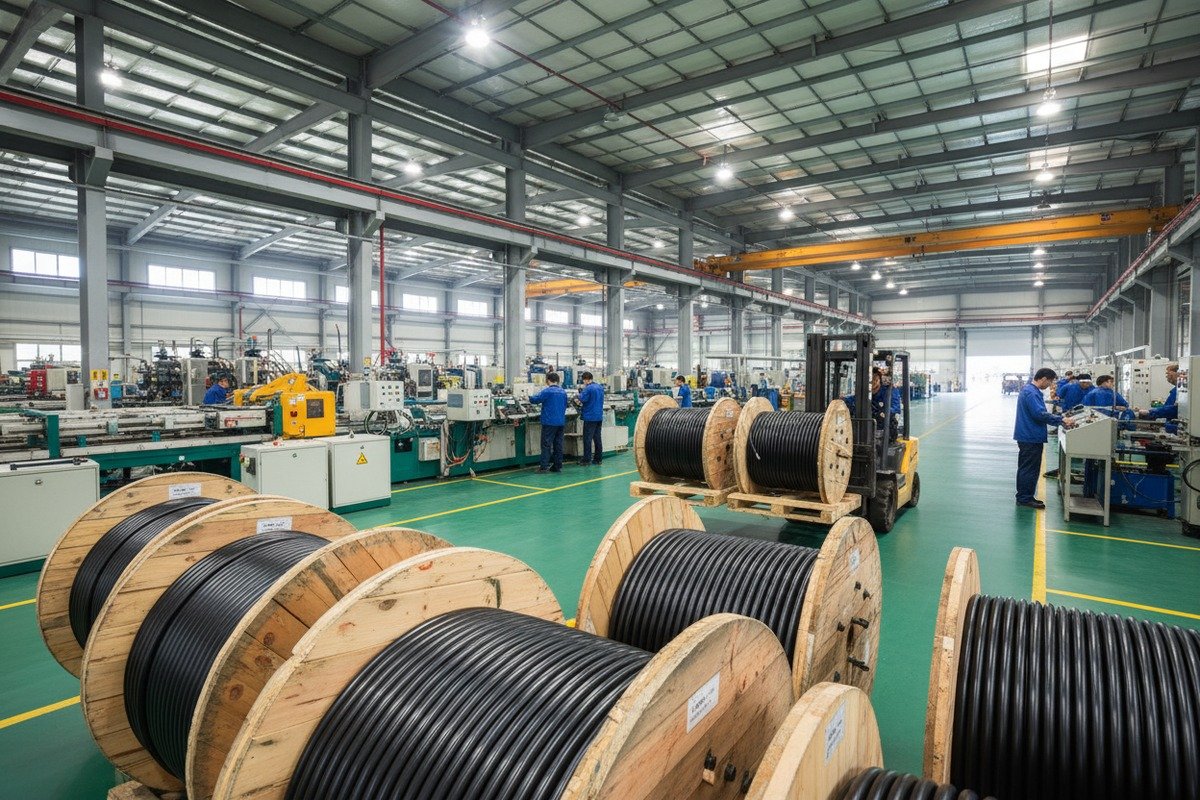
Understanding the Real Shutdown Window
The official CNY holiday in 2027 runs roughly from late January through early February. But the real impact is much longer. Most cable factories begin winding down production 1–2 weeks before the official date. Workers from inland provinces leave early to beat the travel rush. After the holiday, it takes another 1–3 weeks for full production to resume. Many skilled workers don't return immediately. Some don't return at all.
In practical terms, you lose 3–6 weeks of manufacturing capacity. For our 230,000 m² facility, we start communicating shutdown schedules to clients by September. That gives everyone time to plan.
The Holiday Calendar You Need to Watch
CNY is the biggest disruption, but it's not the only one. Here is a quick reference:
| Holiday | 2027 Dates (Approx.) | Factory Impact | Recommended Order Lead |
|---|---|---|---|
| Chinese New Year | Jan 28 – Feb 20 | 3–6 week full shutdown | 8–12 weeks early |
| Qingming Festival 6 | Apr 5 | 1–2 day pause | Minimal |
| Labor Day (May Day) | May 1–5 | 3–5 day shutdown | 4 weeks early |
| Dragon Boat Festival | May 31 | 1–2 day pause | Minimal |
| National Day Golden Week 7 | Oct 1–7 | 5–10 day shutdown | 4–6 weeks early |
Why Normal Lead Times Don't Apply
Under normal conditions, a standard order of EN50618 or H1Z2Z2-K solar cable ships within 15–20 days from our facility. But in November and December, every cable manufacturer in China faces the same surge. Raw material suppliers—copper rod mills, XLPO compound 8 producers—also rush to close their books before the holiday. This creates a cascading bottleneck.
Port congestion adds another layer. Shanghai and Ningbo, the two biggest export ports, see throughput drop 20–40% in the weeks surrounding CNY. Containers become scarce. Freight rates climb 2–3x their normal levels. If you wait until January to place your order, you're not just late for production—you're late for shipping too.
A Practical Timeline for CNY 2027
Here is what a well-planned procurement schedule looks like:
- September 2026: Confirm supplier holiday dates. Request production slot reservations.
- October 2026: Finalize specifications (conductor size, insulation type, certification requirements). Sign contracts with CNY delay clauses.
- November 2026: Place firm purchase orders. Pay deposits (typically 30%).
- December 2026: Monitor production. Schedule third-party inspections (SGS, TUV) before factory closure.
- Early January 2027: Ship finished goods. Confirm vessel bookings.
- Late January – Mid February 2027: Factory closed. Your cable is already on the water or in your warehouse.
The biggest mistake we see? Buyers who assume a January order will ship before CNY. It almost never does.
How can I ensure my H1Z2Z2-K cable quality isn't compromised during the pre-holiday manufacturing rush?
We've seen it from the inside: the final weeks before CNY push every production team to its limit, and that's exactly when shortcuts become tempting.
To protect H1Z2Z2-K cable quality during the pre-holiday rush, insist on pre-shipment third-party inspections (TUV or SGS), request production samples from your actual batch, and include contractual quality clauses with penalties. Avoid accepting cables produced in the final 5 days before factory closure when defect rates historically spike.
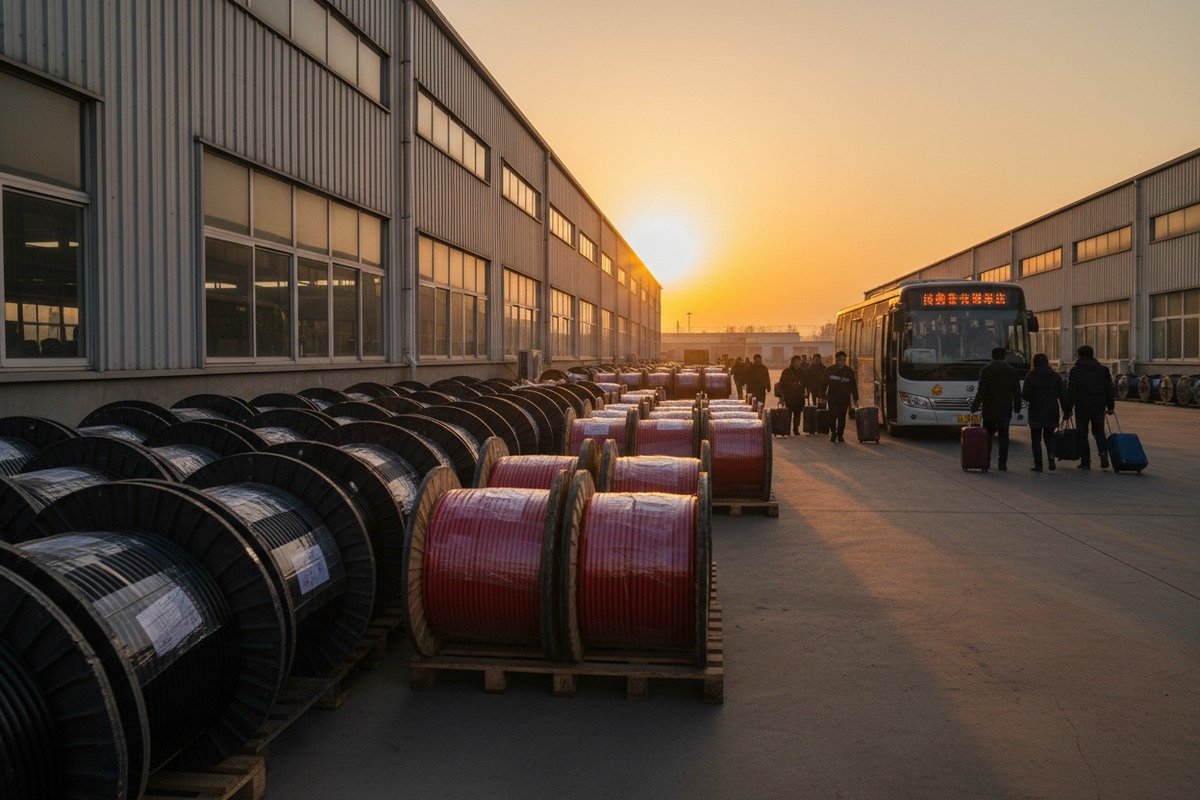
Where Quality Risks Actually Hide
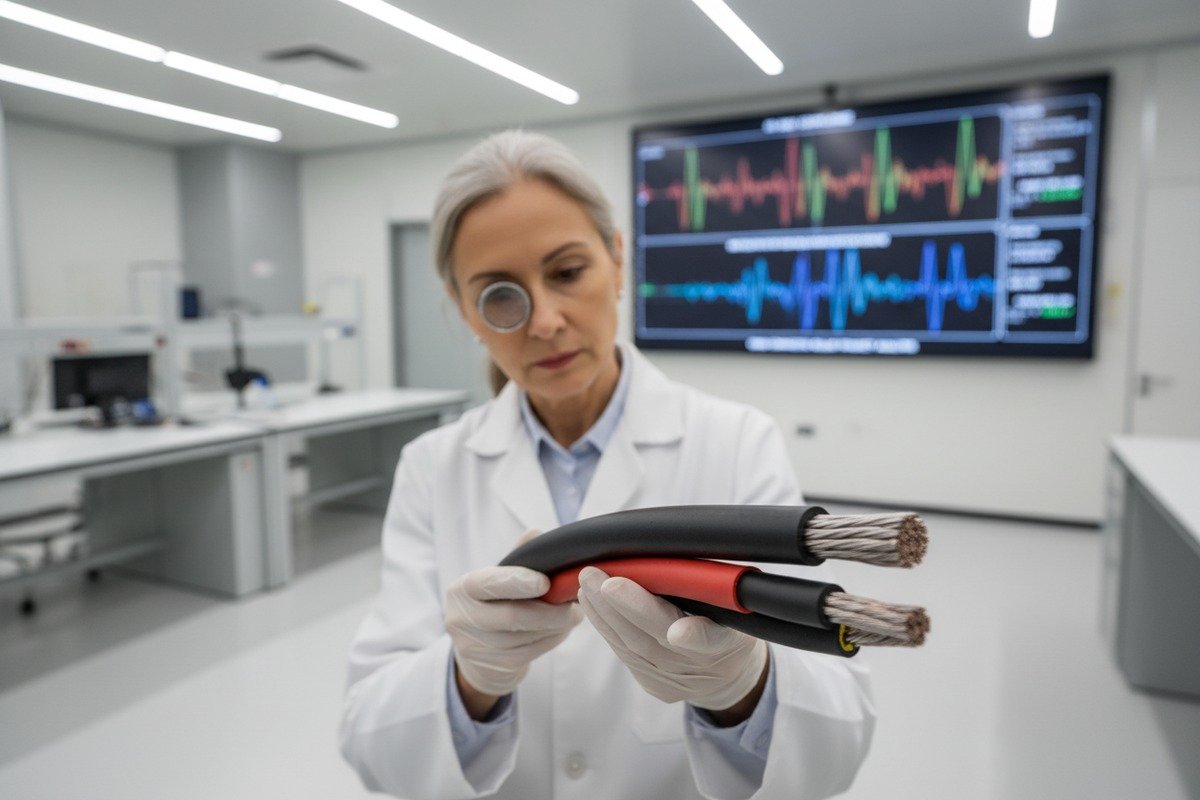
The most common quality failures in solar PV cables are not dramatic. They're subtle. Slightly thinner XLPO insulation. Marginally undersized copper conductors. Inconsistent cross-linking that won't show problems for months. During the pre-CNY rush, production speed increases while supervision often decreases. Experienced QC staff may leave early for the holiday. Temporary workers fill gaps.
For H1Z2Z2-K cables specifically, the risks include:
- Insulation thickness below TUV tolerances. The standard requires specific minimum wall thickness. Rushed extrusion can produce thin spots.
- Incomplete electron-beam or silane cross-linking. This affects UV resistance and long-term thermal performance—critical for a cable expected to last 25+ years.
- Incorrect tinning on copper conductors. Tin coating protects against corrosion. If the tinning bath is rushed, adhesion suffers.
Quality Control Steps That Actually Work
Our engineering team recommends a layered approach:
Step 1: Lock your specs early. Submit detailed technical specifications—conductor size, insulation material grade, certification marks—when you place the order. Don't leave anything to interpretation.
Step 2: Request in-line production photos and test reports. Modern factories can share real-time images of extrusion, cross-linking, and spooling. Ask for them weekly during the rush period.
Step 3: Schedule a third-party inspection. Book SGS or TUV inspectors for the week before your shipment date—not the day of. Inspectors are also in high demand before CNY.
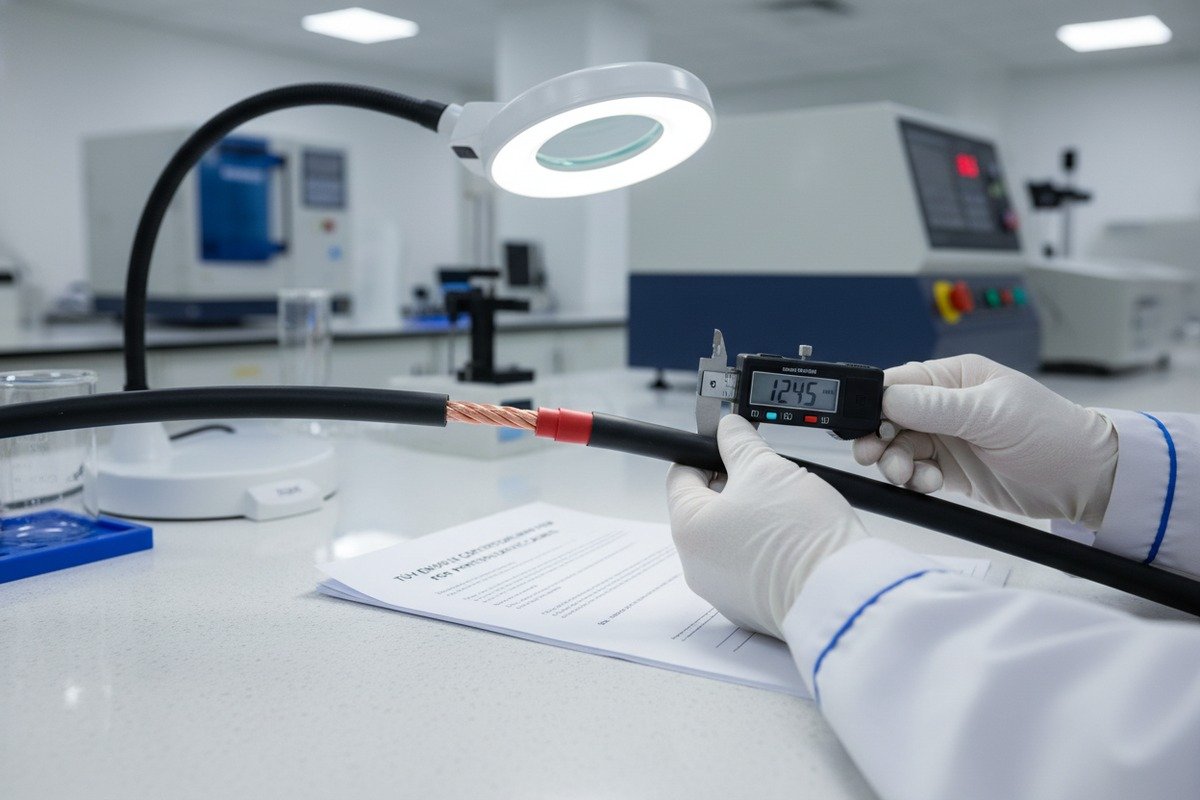
Step 4: Test critical parameters on arrival. Even with pre-shipment inspections, do spot checks at your warehouse. Key tests include:
| Test | What It Checks | Equipment Needed |
|---|---|---|
| Conductor resistance | Copper purity and cross-section | Micro-ohmmeter |
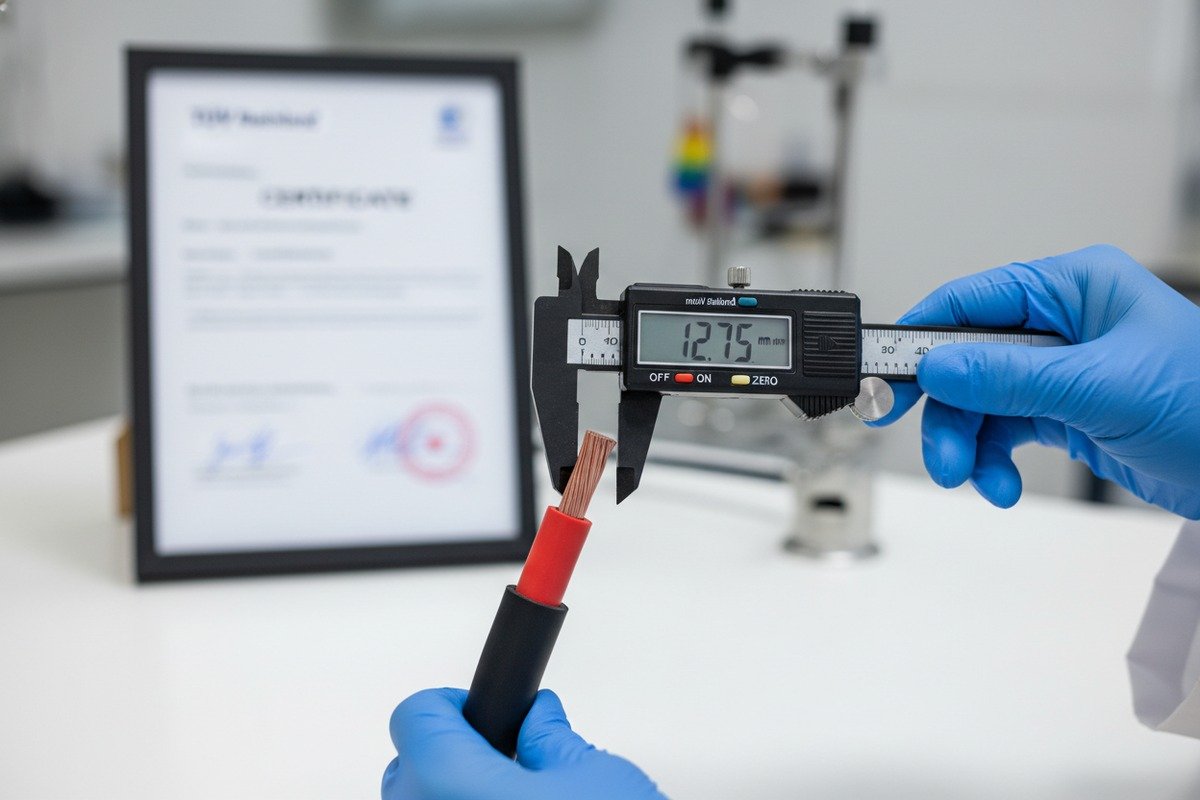
| Insulation thickness | Minimum wall thickness compliance | Micrometer |
| Voltage withstand | Dielectric integrity | Hi-pot tester |
| UV exposure (accelerated) | Insulation degradation resistance | UV aging chamber |
| Bending test | Flexibility and jacket integrity | Manual bend jig |
The CPR and Certification Trap
For European buyers—especially those governed by the Construction Products Regulation 9—certification fraud is a real concern. Some manufacturers hold valid TUV certificates but don't apply the certified process to every batch. During the rush period, the temptation to substitute materials or skip process steps increases.
Ask your supplier for the batch-specific test report, not just the type-test certificate. The type-test proves the design works. The batch report proves your cable was made correctly. If your supplier cannot provide batch-level documentation, that is a red flag.
At Lonsoncable, we issue full test reports for every production run, linked to specific drum numbers. This traceability is not optional—it's how we maintain trust with clients who cannot afford field failures on a 100 MW solar farm.
What steps should I take to secure my shipping containers and avoid peak freight costs before the holiday?
Our logistics team starts booking January vessel space in October—because by November, the best rates and slots are already gone.
Book shipping containers and vessel space at least 6–8 weeks before Chinese New Year. Use FOB terms so your freight forwarder controls the booking. Avoid the last two weeks of January when rates spike 2–3x. Consider LCL consolidation for smaller orders, and always confirm booking with the shipping line directly to prevent container rollovers.
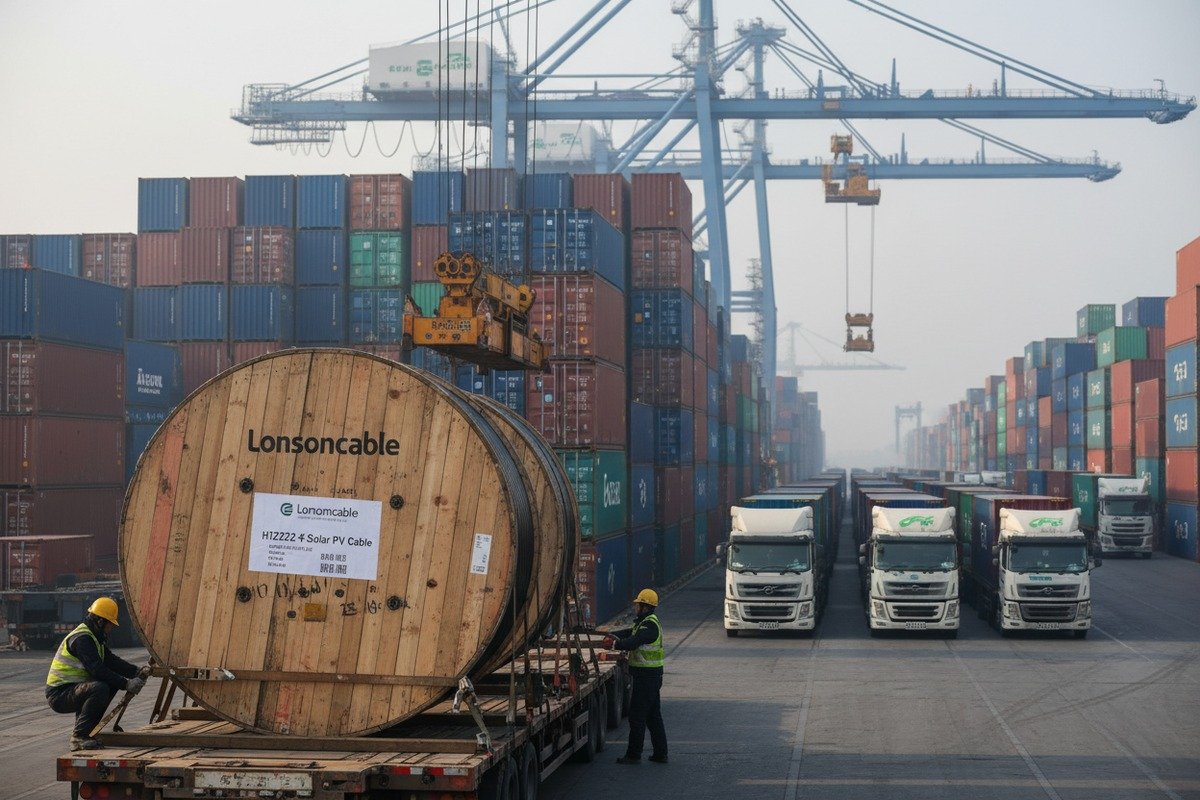
Why Freight Gets So Expensive Before CNY
The weeks before Chinese New Year see a perfect storm for logistics. Exporters across every industry—not just solar—rush to ship goods. Container demand surges. Trucking companies lose drivers who leave for the holiday early. Port warehouses overflow.
Shanghai and Ningbo handle the majority of solar PV cable exports. Historical data shows a 30–50% drop in throughput during February, but the congestion starts building in mid-December. Shipping lines know demand is high, so they raise rates. Air freight, which some buyers use as a last resort, can cost 5–8x the price of sea freight during this window.
Freight Strategy by Order Size
Your strategy depends on how much cable you're shipping:
| Order Size | Recommended Shipping Mode | Booking Lead Time | Cost Impact vs. Normal |
|---|---|---|---|
| Full Container Load (FCL) — 20+ tons | Dedicated 20'/40' container, sea freight | 6–8 weeks early | +15–30% if booked late |
| Less than Container Load (LCL) — 5–15 tons | Consolidation service via freight forwarder | 4–6 weeks early | +20–40% surcharge typical |
| Urgent / Small Quantity — < 5 tons | Air freight or rail (China-Europe) | 2–4 weeks early | +200–300% vs. sea |
Incoterms Matter More Than You Think
Many solar cable buyers default to EXW (Ex Works) pricing. This means the Chinese supplier's job ends at the factory gate. You handle everything from inland trucking to port booking to ocean freight. During CNY season, this is risky if you don't have a China-based logistics partner.
FOB (Free on Board) is often a better choice. The supplier delivers to the port and loads onto the vessel. They have local relationships with trucking companies and port agents. They can navigate holiday schedules better than a foreign buyer managing logistics remotely.
For European buyers who want full control and predictability, DDP (Delivered Duty Paid) shifts the entire logistics burden to the supplier. At Lonsoncable, we offer DDP to major European ports, which means our team handles the CNY logistics crunch—not yours.
Protecting Against Container Rollovers
A "rollover" happens when your booked container gets bumped to the next available vessel. This is common before CNY. Shipping lines prioritize higher-paying cargo. To protect yourself:
- Get written booking confirmations from the shipping line, not just your forwarder.
- Pay the premium for a guaranteed slot if your project timeline is tight.
- Have a backup vessel date identified before you need it.
- Insure your cargo against delays. Standard marine insurance doesn't cover schedule changes—you need specific delay coverage.
The China-Europe rail option (via the China Railway Express 10) has grown as an alternative. Transit takes 18–22 days versus 30–40 by sea. Costs sit between sea and air. For time-sensitive solar cable orders, it's worth exploring.
How do I calculate my safety stock to keep my solar projects running while Chinese factories are closed?
When we survey our long-term clients in Europe and Latin America, the ones who never panic during CNY all share one trait: they calculated their buffer stock months in advance.
Calculate safety stock by multiplying your average weekly cable consumption by the total expected disruption period (typically 6–8 weeks for CNY, including post-holiday ramp-up). Add a 20–30% buffer for shipping delays and demand variability. For a project using 5,000 meters per week, target 35,000–52,000 meters of H1Z2Z2-K cable in reserve before the shutdown begins.
The Safety Stock Formula for Solar Cable
Here is a straightforward approach:
Safety Stock = (Average Weekly Usage) × (Disruption Weeks) × (1 + Buffer %)
Let's break this down with a real example:
- Average weekly cable usage: 5,000 meters (typical for a 20–30 MW solar farm phase)
- Total disruption period: 7 weeks (factory shutdown + ramp-up + shipping delay)
- Buffer percentage: 25% (to cover unexpected demand spikes or additional delays)
Safety Stock = 5,000 × 7 × 1.25 = 43,750 meters
This means you need roughly 44,000 meters of cable in your local warehouse before factories close.
Adjusting for Your Specific Situation
Not every buyer needs the same buffer. Factors that increase your required safety stock:
- Multiple concurrent projects. If you're running three sites simultaneously, aggregate the demand.
- Remote project locations. Sites in Africa or rural Latin America have longer last-mile delivery times. Add 1–2 weeks.
- Custom specifications. Non-standard conductor sizes or colors cannot be sourced from spot inventory. These need dedicated production runs.
Factors that reduce your required safety stock:
- Local distributor inventory. If your regional distributor stocks standard sizes (4mm², 6mm², 10mm²), you may lean on their buffer.
- Framework agreements. Long-term contracts with guaranteed production slots, like the framework deals used by PowerChina and Three Gorges, give you priority when factories reopen.
The Cost of Holding vs. The Cost of Stalling
Some procurement managers resist building safety stock because of carrying costs—warehouse rent, insurance, capital tied up in inventory. But compare that to the alternative:
| Scenario | Estimated Cost Impact |
|---|---|
| Holding 40,000m safety stock for 8 weeks | $2,000–$4,000 (warehouse + insurance) |
| Project delay of 2 weeks (missed grid connection) | $50,000–$500,000 (penalties + lost revenue) |
| Emergency air freight for 10,000m cable | $8,000–$15,000 (vs. $1,500–$3,000 sea freight) |
| Sourcing from alternative supplier (Vietnam/India) | 15–30% higher cable cost + requalification time |
The math is clear. Safety stock is cheap insurance.
Building Relationships That Reduce Risk
Beyond inventory buffers, strong supplier relationships—what Chinese business culture calls guanxi—provide a softer safety net. Suppliers who know and trust you will prioritize your orders when production restarts. They'll give you honest shutdown dates rather than optimistic ones. They'll flag problems early.
At Lonsoncable, our key accounts receive a detailed shutdown calendar by September, including exact dates for last production runs, last shipping days, and expected restart dates. We also maintain a stock of popular cable sizes (4mm² and 6mm² H1Z2Z2-K) that key clients can draw from during the transition period. This kind of arrangement only works when both sides invest in the relationship long before the holiday arrives.
Don't Forget the Other Holidays
While CNY demands the most planning, National Day Golden Week (October 1–7) coincides with Q4 ordering season. If you're placing your CNY buffer order in October, confirm that your supplier's October production isn't also interrupted. A smart approach: place your Q1 2027 order in September 2026, before both Golden Week and the CNY rush begin.
Conclusion
Plan early, verify quality, book freight ahead, and stock enough cable to bridge the gap. Chinese holidays are predictable. Your response to them should be too. If you need help building a CNY-proof procurement timeline for your next solar project, reach out to our team at [email protected].
Footnotes
1. Wikipedia offers an authoritative and detailed explanation of Labor Day (May Day) as a public holiday in China. ↩︎
2. Found an authoritative source from a cable manufacturer detailing H1Z2Z2-K cable specifications and compliance with standards. ↩︎
3. Wikipedia provides a comprehensive and authoritative overview of Chinese New Year, including its dates and cultural significance. ↩︎
4. Official CENELEC page detailing the European standard for photovoltaic cables. ↩︎
5. Explains the Free on Board (FOB) rule within Incoterms 2020 for international trade. ↩︎
6. Authoritative encyclopedia entry on the traditional Chinese festival for honoring ancestors. ↩︎
7. Wikipedia provides an authoritative overview of China's National Day, including its association with the Golden Week holiday. ↩︎
8. Academic article discussing properties and circularity of cross-linked polyolefins. ↩︎
9. Official EU regulation laying down harmonised conditions for construction products. ↩︎
10. Official introduction to the international railway transport service between China and Europe. ↩︎