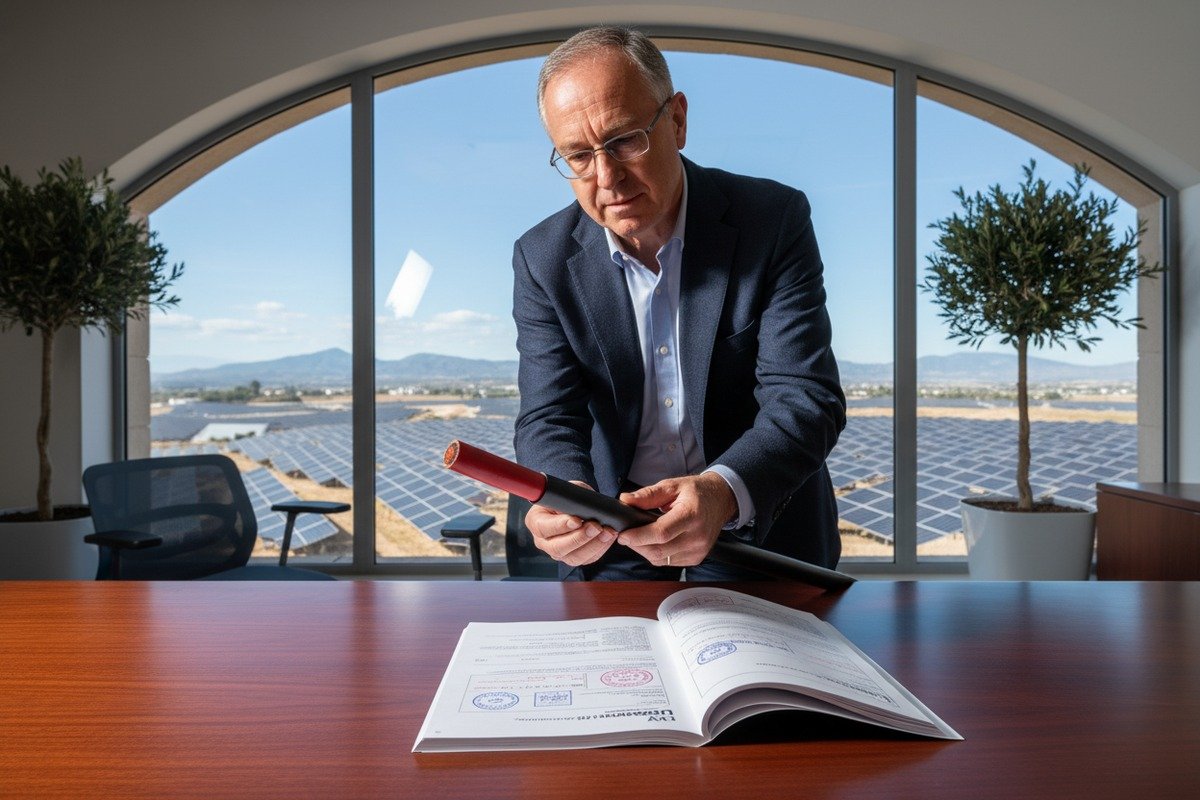

Every year, our production lines ship thousands of cable drums to solar projects across Europe, Latin America, and Southeast Asia NVOCC registration 1. Yet the question we hear most from buyers isn't about conductor quality or insulation specs — it's about what happens after the cables leave our factory gate. A single logistics misstep can delay a grid-connection deadline by weeks, trigger financial penalties, and erode margins that took months to negotiate.
To choose a reliable freight forwarder for solar PV cables from China, verify their solar-industry shipping experience, confirm customs expertise with relevant HS codes and certifications, demand transparent DDP pricing, and request documented damage-rate history. A systematic evaluation across credentials, track record, and industry knowledge protects both your timeline and budget.
Below, we break down the four most critical questions you should ask — and answer — before you sign with any logistics provider. Each section draws on real scenarios we've seen across 30 years of exporting solar cable worldwide.
How can I verify if a freight forwarder has experience handling my heavy solar cable shipments?
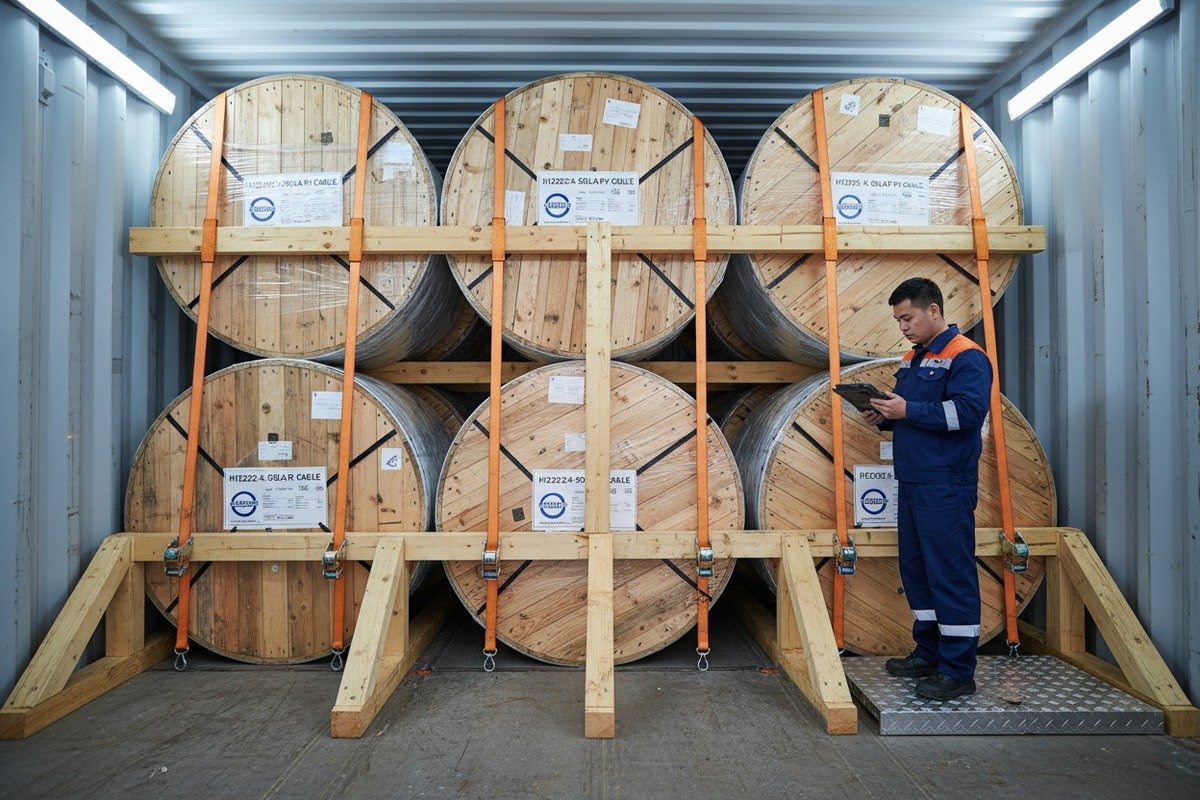
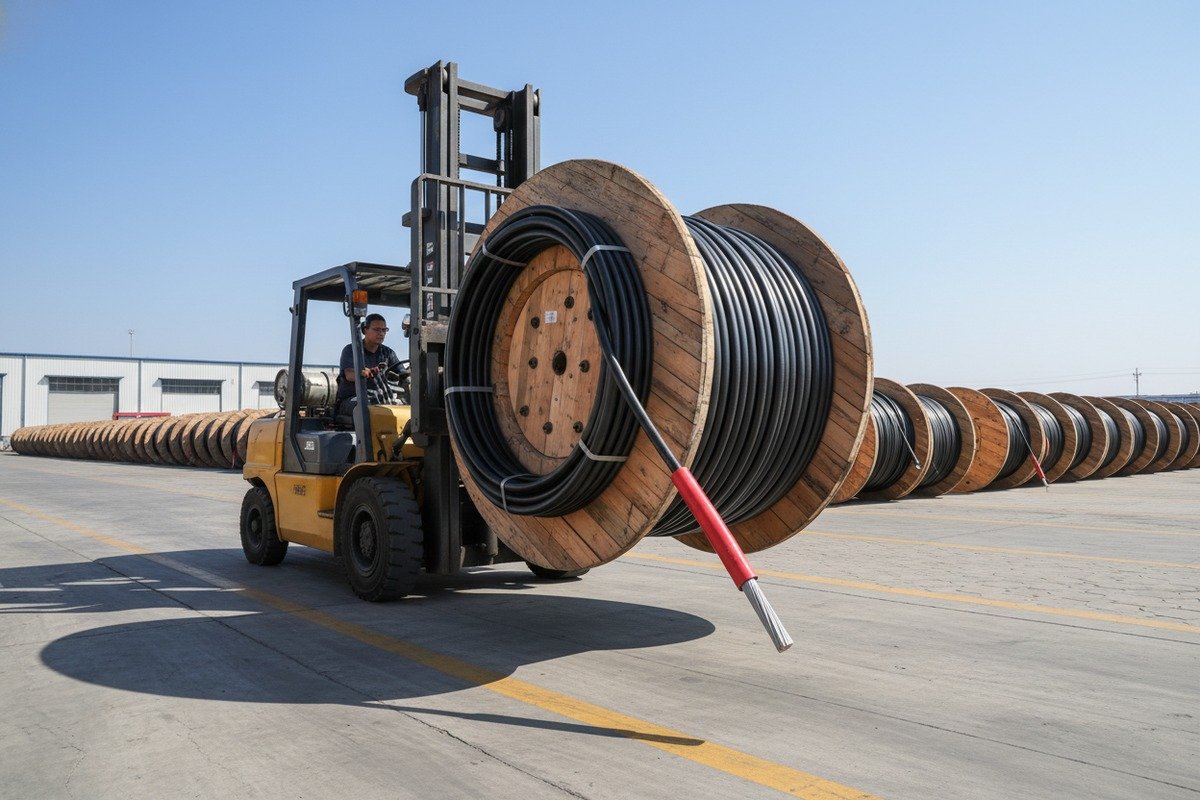
When we load containers at our 230,000 m² facility, we see firsthand how cable drums behave during transit. Not every forwarder understands that a 2-ton wooden drum of H1Z2Z2-K cable 2 needs different bracing than a pallet of consumer electronics.
Request the forwarder's shipment history for solar or heavy-cable products, ask for at least three client references in the renewable energy sector, and review their documented damage rate. Forwarders experienced with solar cables will immediately understand drum specifications, weight distribution, and moisture-barrier requirements without needing your guidance.
Why Generic Logistics Experience Is Not Enough
Solar PV cables 3 are heavy, bulky, and sensitive to mechanical stress. A single drum of 1×6 mm² EN50618 cable 4 can weigh well over 500 kg. Stack several inside a 40-foot container and you're dealing with serious load-distribution challenges. Forwarders who primarily handle lightweight consumer goods often underestimate this.
Here's what to look for when vetting experience:
- Completed solar cable shipments. Ask for bill-of-lading samples (with confidential details redacted) showing they've handled similar cargo.
- Familiarity with drum types. Our factory ships on both wooden and steel drums. The forwarder should know which drum type fits cable-laying machines at the destination site.
- Damage-rate data. A professional forwarder tracks this. Anything above 1–2% for solar cable shipments is a red flag.
Key Questions to Ask a Prospective Forwarder
| Question | Why It Matters | Good Answer Looks Like |
|---|---|---|
| How many solar cable shipments have you handled in the past 12 months? | Proves active, current experience | "We handle 15–20 solar cable containers monthly from Guangdong ports." |
| Can you share references from EPC or distributor clients? | Validates real-world performance | Provides 2–3 verifiable contacts in the solar industry |
| What is your average damage rate for heavy-drum cargo? | Reveals handling quality | Below 1%, with documented claims history |
| Do you have partnerships with specific shipping lines for heavy cargo? | Shows network depth | Names specific carriers and negotiated rate agreements |
| How do you secure cable drums inside containers? | Tests technical knowledge | Describes blocking, bracing, moisture barriers, and corner protection |
Check Their Packaging Protocols
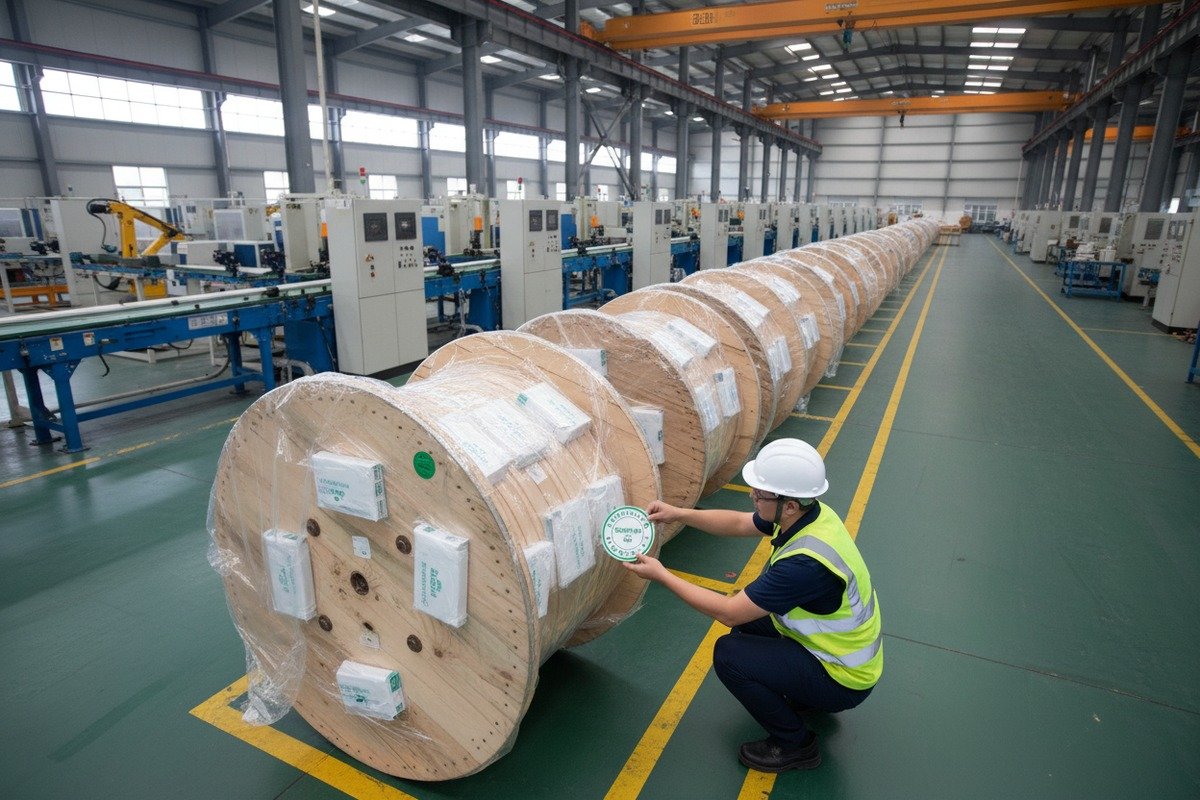
At our factory, we invest in proper drum construction and wrapping. But the forwarder controls what happens once the container leaves the port. A competent forwarder will inspect packaging before sealing the container. They should verify corner protection is in place, moisture-absorbing desiccants are included, and drums are secured against shifting.
If a forwarder cannot describe their container-loading protocol for heavy cylindrical cargo in detail, move on. The cost of a single damaged shipment — including replacement production time, reshipping fees, and project delays — far exceeds any savings from choosing a cheaper provider.
Verify Credentials Systematically
Beyond experience, confirm their legal standing. This includes NVOCC (Non-Vessel Operating Common Carrier) registration, FIATA membership 5 or equivalent, and valid cargo insurance policies. A forwarder operating without proper licensing exposes your shipment to seizure risks and unresolvable disputes.
What should I ask to ensure my forwarder can manage DDP logistics without causing project delays?
Our European clients — especially EPC firms in Germany and the Netherlands — increasingly request DDP (Delivered Duty Paid) terms. This means the forwarder must handle everything from our factory to the project site, including duties and taxes. The margin for error is razor-thin when grid-connection deadlines carry six-figure penalties.
Ask your forwarder to provide a complete DDP timeline breakdown covering factory pickup, port handling, ocean transit, customs clearance, duty payment, and last-mile delivery. Confirm they have local agents or branch offices at the destination port and can guarantee customs pre-clearance to prevent storage charges and schedule overruns.
Understanding the DDP Chain
DDP is the most comprehensive Incoterm for the buyer. The seller (or the seller's appointed forwarder) bears all risk and cost until goods reach the agreed destination. For solar cables, that destination is often a remote solar farm or a regional warehouse. Here is a typical DDP timeline for cables shipped from our Guangdong-area port to a European project site:
| Stage | Typical Duration | Key Risk |
|---|---|---|
| Factory loading & inland transport to port | 1–3 days | Drum damage during truck loading |
| Port handling & customs export clearance | 1–2 days | Missing export documentation |
| Ocean transit (China to Northern Europe) | 28–35 days | Port congestion, vessel delays |
| Destination port customs clearance | 2–5 days | Incorrect HS code, missing TUV certificates 7 |
| Duty & VAT payment | 1–2 days | Cash-flow delays if forwarder lacks credit facilities |
| Last-mile delivery to project site | 1–5 days | Truck access limitations at remote solar farms |
| Total estimated DDP lead time | 34–52 days | — |
Critical DDP Questions for Your Forwarder
- Do you have a local customs broker at the destination port? Relying on a third-party sub-agent adds communication layers and delays.
- Can you pre-clear customs before the vessel arrives? Pre-clearance can save 2–5 days at the destination port.
- How do you handle duty and VAT payments? Some forwarders require upfront payment from the buyer, which defeats the purpose of DDP simplicity.
- What happens if the vessel is delayed? Ask for their contingency protocol — do they rebook cargo, arrange temporary storage, or simply notify you?
- Can you deliver to a remote solar farm site? Last-mile delivery to rural construction sites requires specialized trucking, not standard warehouse delivery.
Why Delays Compound Quickly
In our experience exporting to European EPC firms, a 3-day customs hold can cascade into a 10-day project delay. The customs hold itself costs demurrage fees. Then the installation crew sits idle. Then the electrical inspector's schedule shifts. For a 50 MW solar farm, even a single week of delay can mean missing a seasonal grid-connection window.
A DDP-capable forwarder anticipates these risks. They prepare documentation in advance, maintain bonded warehouse access near destination ports, and carry credit lines for duty payments so nothing stalls waiting for wire transfers.
How do I confirm my logistics provider understands the specific customs requirements for my PV cables?
We have seen shipments of perfectly certified H1Z2Z2-K cable held at European ports for weeks — not because of product quality, but because the forwarder used the wrong tariff code or failed to attach the correct TUV certificate to the customs declaration. This is a preventable disaster.
Confirm your forwarder can correctly classify solar PV cables under the appropriate HS code (typically 854442 or 854449 for insulated electric conductors), understands which certifications (TUV, UL, CE, CPR) must accompany customs declarations in your country, and has successfully cleared solar cable shipments through your destination port before.

HS Code Classification Matters More Than You Think
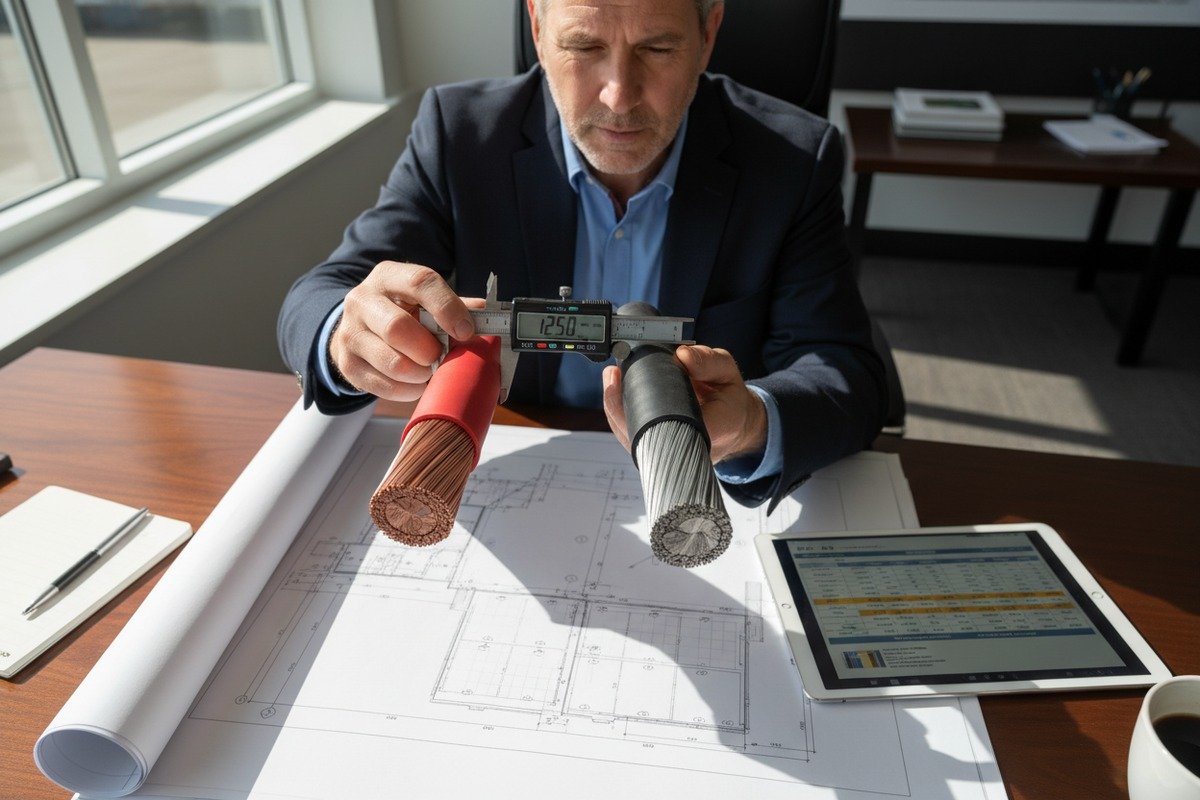
Harmonized System codes determine the duty rate applied to your cables. A wrong code can mean overpaying duties — or worse, triggering an audit that holds your container for inspection. Solar PV cables generally fall under HS heading 8544, but the exact subheading depends on voltage rating, conductor material, and whether the cable includes connectors.
| Cable Type | Common HS Code | Notes |
|---|---|---|
| Single-core PV cable (copper, ≤1 kV) | 8544.42 | Most common for H1Z2Z2-K and EN50618 types |
| Single-core PV cable (aluminum, ≤1 kV) | 8544.49 | Some countries classify aluminum differently |
| PV cable with pre-attached MC4 connectors | 8544.42 or 8536.90 | Connector presence may shift classification |
| Cable harness / pre-assembled string cable | 8544.42 | Often requires additional documentation |
A forwarder who guesses at HS codes 8 is a liability. Ask them to explain, in writing, which code they'll use and why. Then cross-check with your own customs broker or trade advisor.
Certification Documents That Must Travel With the Shipment
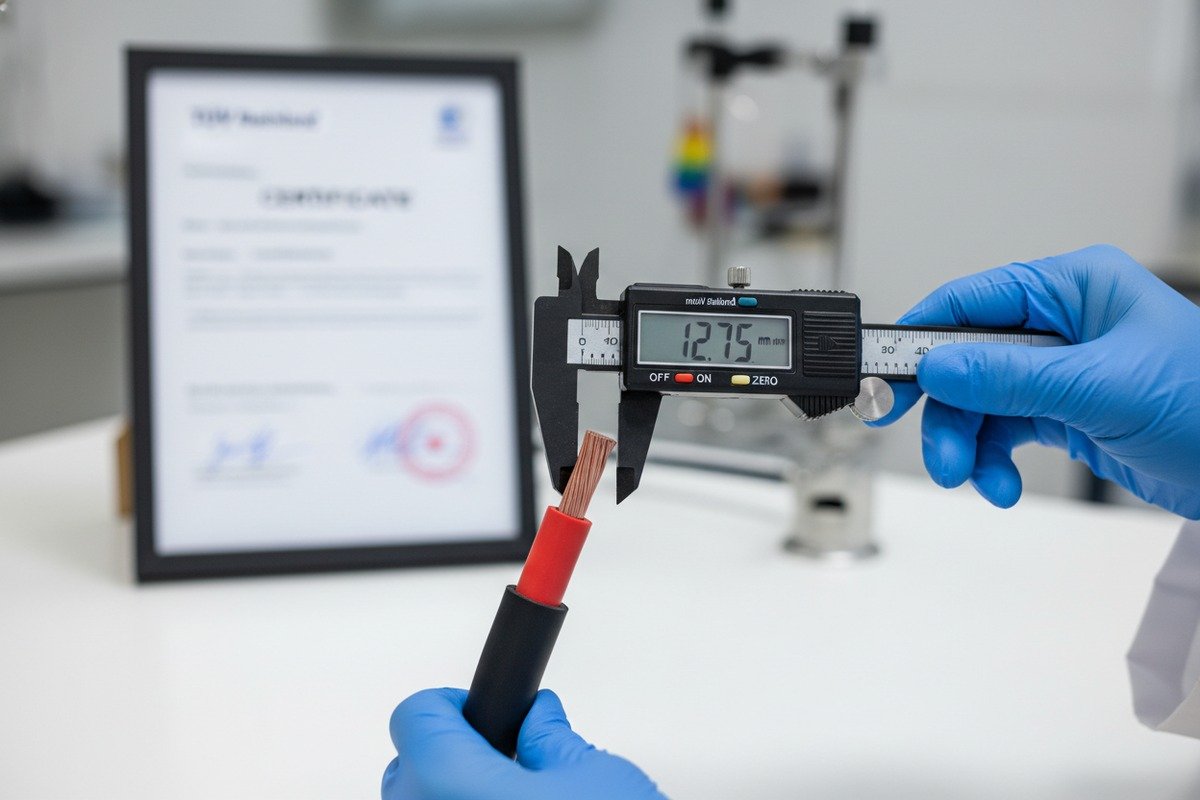
Different markets require different paperwork. When our factory ships to Germany, the customs declaration must include valid TUV certificates, CPR-compliant Declaration of Performance 9 (DoP), and often a Certificate of Origin. Missing even one document can trigger a hold.
Here's what a knowledgeable forwarder prepares in advance:
- TUV or third-party test certificate matching the exact cable model and production batch.
- Declaration of Conformity (DoC) for CE marking.
- CPR Declaration of Performance with the correct fire-safety classification (Dca, Cca, etc.).
- Certificate of Origin — required for preferential duty rates under certain trade agreements.
- Packing list with drum serial numbers — customs officers may cross-reference individual drums against the commercial invoice.
Anti-Dumping and Trade Policy Awareness
Solar products from China sometimes face anti-dumping investigations or additional tariffs in certain markets. A well-informed forwarder monitors these policy changes and alerts you before they affect your shipment. For example, if a new safeguard duty is announced on electrical cables entering the EU, your forwarder should notify you within days — not after your container is already at sea.
Ask your forwarder: "How do you stay updated on trade policy changes affecting solar products?" If they can't name a specific process — such as subscribing to customs authority bulletins or working with a trade compliance team — they may not catch critical changes in time.
Test Their Knowledge Directly
During the initial evaluation, give them a real scenario: "I need to ship 10 containers of H1Z2Z2-K 1×4 mm² cable from Shenzhen to Hamburg under DDP terms. Walk me through the customs process." Their answer will reveal whether they truly understand solar cable logistics or are simply promising what you want to hear.
When we quote DDP pricing 10 to EPC clients, we build in a logistics cost estimate. But ocean freight rates can swing 30–50% within a single quarter. If your forwarder doesn't help you manage this volatility, your project economics can unravel before the first cable is laid.
Protect your budget by negotiating fixed-rate freight contracts for the project duration, requesting fully itemized quotes that separate ocean freight, terminal handling, customs clearance, duties, and last-mile delivery. Always ask for a written list of all possible surcharges — including demurrage, detention, and port congestion fees — before signing any agreement.
Where Hidden Costs Lurk
The base ocean freight rate is just the starting point. Buyers who focus only on this number often get surprised by a long list of surcharges that appear on the final invoice. Here are the most common hidden fees:
- Demurrage: Charges for keeping a container at the port beyond the free period (typically 3–7 days). Customs delays directly trigger this.
- Detention: Charges for keeping the container at your facility beyond the allowed unloading period.
- Terminal Handling Charges (THC): Fees at both origin and destination ports. These vary significantly by port.
- Peak Season Surcharge (PSS): Applied during high-demand shipping periods, often Q3 and Q4.
- Bunker Adjustment Factor (BAF): Fuel surcharge that fluctuates with oil prices.
- Documentation fees: Some forwarders charge separately for bill of lading preparation, customs entries, and certificate handling.
Strategies to Lock in Predictable Costs
Fixed-rate contracts. If you're shipping multiple containers over 6–12 months, negotiate a fixed per-container rate. This transfers the rate-fluctuation risk to the forwarder, who can hedge against it through their shipping line contracts. Our clients who procure cables for phased solar farm construction find this approach especially valuable.
Blanket purchase orders. Commit to a minimum volume over a set period. Forwarders reward volume commitments with lower rates and priority booking — both of which reduce cost and delay risk.
All-inclusive DDP quotes. Insist on a single, all-inclusive price that covers every cost from factory gate to project site. If the forwarder won't provide this, they may be planning to add surcharges later.
Budget Comparison: Transparent vs. Opaque Forwarder
| Cost Element | Transparent Forwarder (Itemized) | Opaque Forwarder (Lump Sum + Surprises) |
|---|---|---|
| Ocean freight (40' container) | $2,800 | $2,400 (looks cheaper) |
| THC (origin + destination) | $350 | Not disclosed until invoicing |
| Customs clearance | $200 | Bundled, unclear amount |
| Demurrage (3 extra days) | $0 (pre-cleared, no delay) | $450 (customs delay) |
| Documentation fees | $75 | $150 (charged per document) |
| Last-mile delivery | $600 | $900 (subcontracted at markup) |
| Total actual cost | $4,025 | $4,300+ |
The "cheaper" forwarder ends up costing more. And this table doesn't account for the project delay cost if those extra demurrage days push back your installation schedule.
Insurance as Budget Protection
Cargo insurance is non-negotiable for solar cable shipments. A single container of H1Z2Z2-K cable can represent $50,000–$80,000 in value. Standard carrier liability covers only a fraction of this — often just $500 per shipping unit under the Hague-Visby Rules.
Ask your forwarder whether their quote includes all-risk cargo insurance. If not, arrange your own policy. Make sure the coverage amount reflects the full CIF (Cost, Insurance, Freight) value plus 10–20% to cover replacement logistics costs.
Review Invoices Against the Original Quote
After every shipment, compare the final invoice line-by-line against the original quote. Flag any discrepancy immediately. A reliable forwarder will provide consistent invoicing that matches their initial estimate within a narrow margin. If surprises appear on every invoice, it's time to find a new partner.
Conclusion
Choosing the right freight forwarder is just as important as choosing the right cable manufacturer. Verify their solar-industry experience, confirm DDP capability, test their customs knowledge, and demand transparent pricing. These four steps will protect your project timeline and your budget from start to finish.
Footnotes
1. Defines Non-Vessel Operating Common Carrier and its role in shipping. ↩︎
2. Explains the H1Z2Z2-K cable designation and its adherence to standards. ↩︎
3. Provides a comprehensive overview and definition of solar photovoltaic cables. ↩︎
4. Reference 8. ↩︎
5. Describes the International Federation of Freight Forwarders Associations and its purpose. ↩︎
6. Explains the role and responsibilities of a freight forwarder in logistics. ↩︎
7. Reference 9. ↩︎
8. Defines Harmonized System codes for classifying goods in international trade. ↩︎
9. Defines the Declaration of Performance under the Construction Products Regulation. ↩︎
10. Explains the Delivered Duty Paid (DDP) Incoterm and seller's responsibilities. ↩︎