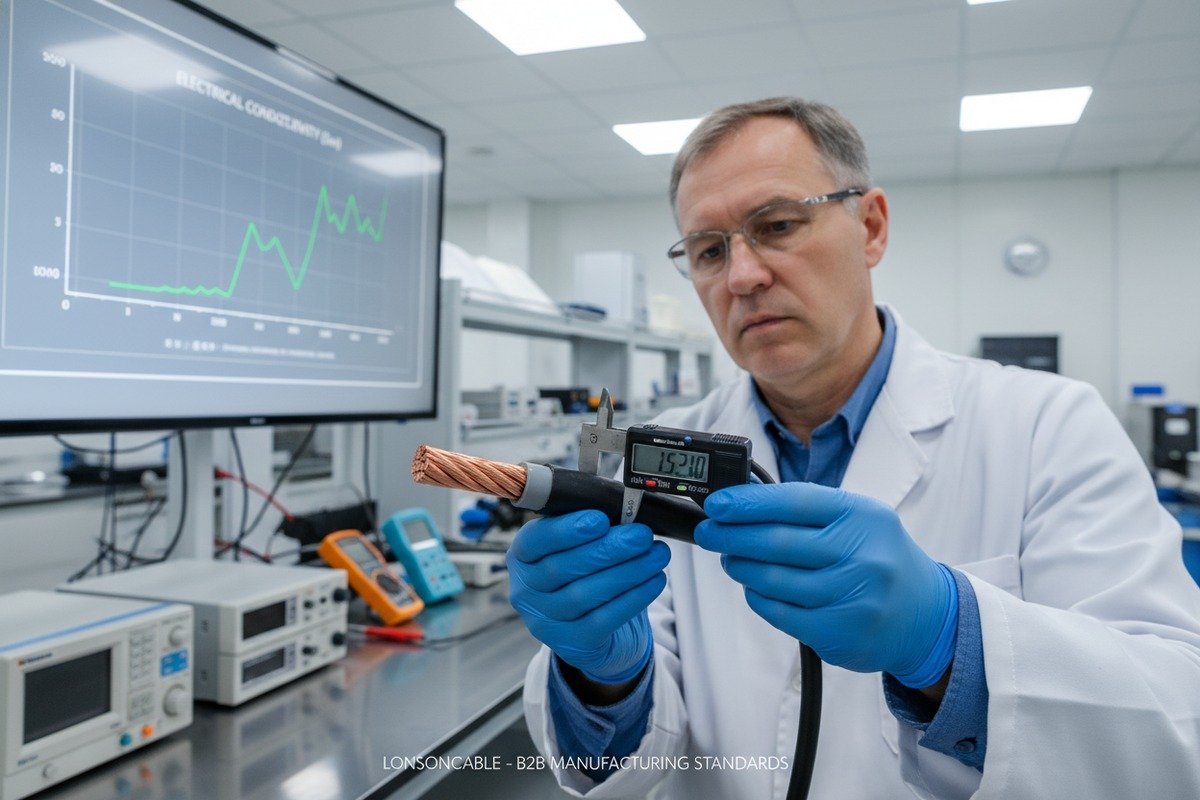
Every year, our quality team rejects incoming copper rod batches 1 that look perfect on the surface but fail conductivity tests within minutes. The consequences of poor copper sourcing don't show up at the factory—they show up five years into a solar project, when cables overheat, resistance climbs, and entire strings go offline electrolytic grade 2. For EPC contractors and distributors staking their reputation on 25-year system warranties, the copper inside your PV cable is everything.
To evaluate supplier copper conductor sourcing for solar PV cable quality, verify copper purity certifications (≥99.9% electrolytic grade), confirm conductor resistance compliance with EN 50618 or UL 4703 standards, audit the wire drawing and annealing processes, and cross-check pricing against current copper market benchmarks to detect material substitution risks.
This guide breaks down the exact steps you can take—from mill certificates to pricing red flags—so you can confidently assess whether your supplier's copper will perform for decades, not just pass an initial inspection UL 4703 standards 3. Let's walk through each critical checkpoint.
How can I verify that my supplier is using 99.9% high-purity electrolytic copper for my PV cables?
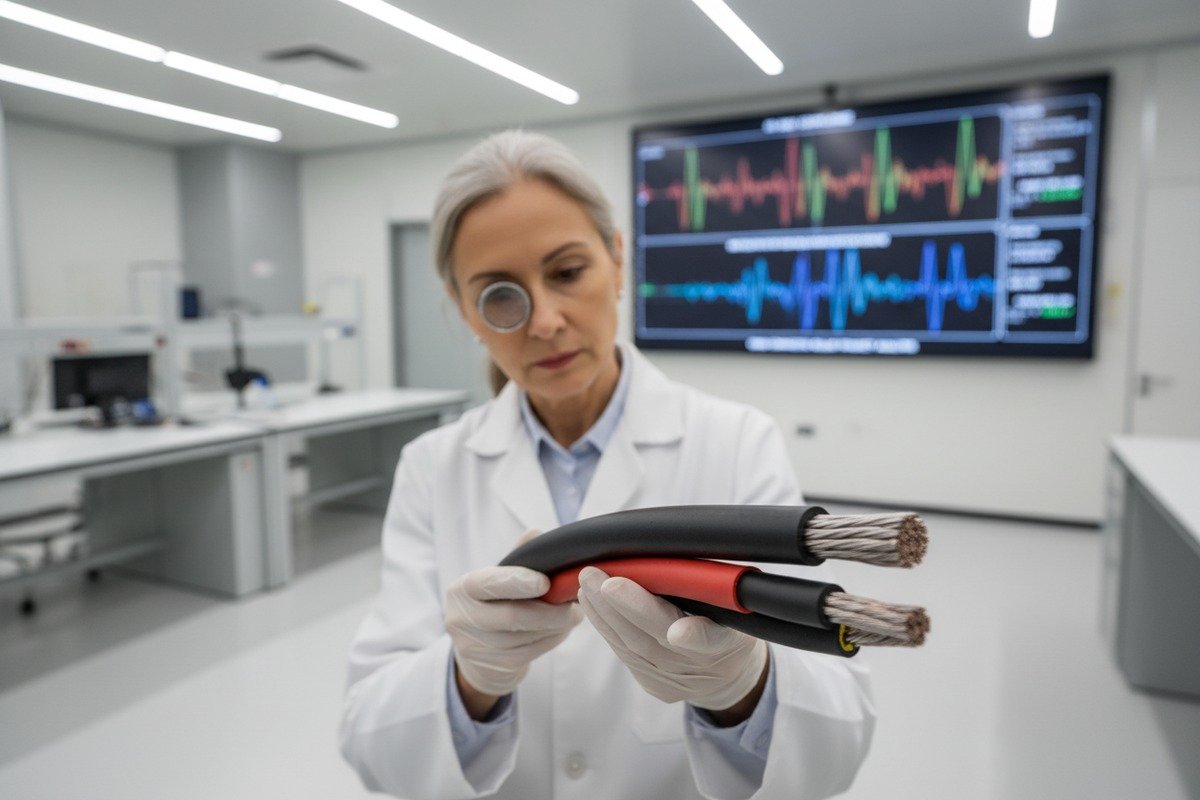
When we receive copper rod shipments at our Hainan facility, the first stop is always the spectrometer lab Kelvin bridge 4. We learned years ago that trusting a supplier's word on copper purity is a fast track to field failures and warranty claims.
Request mill test certificates showing Electrolytic Tough Pitch (ETP) or Oxygen-Free High Conductivity (OFHC) copper grades with ≥99.9% purity. Validate these certificates through independent third-party lab testing of conductor samples, and cross-reference the copper cathode source with recognized smelter lists.
Why Copper Purity Matters for PV Cable Performance
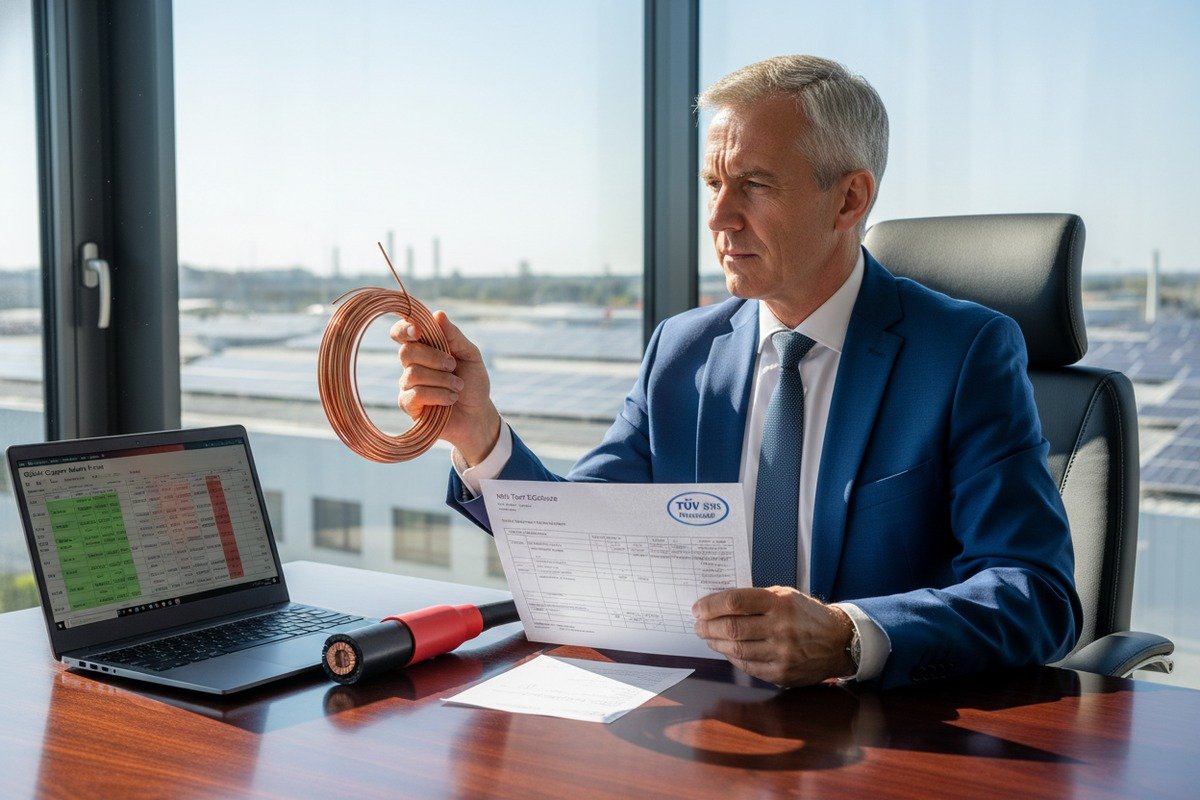
Copper purity directly determines electrical conductivity. Even a 0.1% drop in purity can raise conductor resistance enough to cause measurable power losses across a utility-scale solar array. Over a 25-year lifespan, these losses compound. Impurities like oxygen, sulfur, and phosphorus reduce conductivity and accelerate corrosion under the high-temperature, high-humidity conditions common in solar installations.
For PV cables rated to EN 50618 5 or UL 4703, the conductor must meet strict resistance-per-kilometer thresholds. Low-purity copper simply cannot hit those numbers without oversizing the conductor—which most cost-driven suppliers won't do.
Key Copper Grades for Solar PV Cables
| Copper Grade | Purity Level | Conductivity (% IACS) | Best Use Case |
|---|---|---|---|
| ETP (Electrolytic Tough Pitch 6) | ≥99.9% | ≥100% | Standard PV cables, most common |
| OF (Oxygen-Free) | ≥99.95% | ≥100% | High-flex applications, premium cables |
| OFHC (Oxygen-Free High Conductivity 7) | ≥99.99% | ≥101% | Ultra-low resistance, critical runs |
| CCA (Copper-Clad Aluminum) | N/A | ~65% | Not suitable for quality PV cables |
How to Verify Purity Step by Step
First, request the copper rod supplier's mill test certificate (MTC). This document should list the chemical composition, including oxygen content, and reference the cathode lot number. Our procurement team cross-references these lot numbers against London Metal Exchange 8 (LME) registered brands whenever possible.
Second, ask your cable supplier if they conduct incoming material inspection. At our facility, we use optical emission spectrometry (OES) on every copper rod batch before it enters the drawing line. If your supplier cannot describe their incoming inspection process, that is a warning sign.
Third, consider sending conductor samples to an independent lab. Request testing per ASTM B49 9 (for copper rod) or IEC 60228 (for finished conductors). The lab report should confirm purity and conductivity values that align with the claimed grade.
Finally, check whether the supplier sources from a single, traceable smelter or buys spot-market copper from unknown origins. Traceable sourcing is a strong indicator of quality commitment. Suppliers who hedge costs by mixing cathode sources often introduce batch-to-batch inconsistency.
What steps should I take to confirm the copper conductor meets TUV EN50618 electrical resistance standards?
Our engineers run resistance checks on every production batch before the conductor even reaches the insulation line. We have seen cases where copper that passed purity tests still failed resistance targets—because purity alone does not guarantee compliant conductor performance.
To confirm EN 50618 compliance, obtain the supplier's type test report showing DC resistance at 20°C per IEC 60228 Class 5 requirements, request batch-specific routine test data, and verify results through independent testing at an accredited laboratory using a calibrated Kelvin bridge or micro-ohmmeter.
Understanding EN 50618 Conductor Requirements
EN 50618 is the European harmonized standard for solar PV cables. It references IEC 60228 10 for conductor construction and specifies that PV cable conductors must be Class 5 (flexible stranded). Each cross-sectional area has a maximum allowable DC resistance at 20°C.
If the conductor exceeds this resistance value, the cable will generate more heat under load, reduce energy yield, and potentially create a fire hazard in concentrated wiring zones like combiner boxes.
Maximum DC Resistance Values per IEC 60228 Class 5
| Conductor Size (mm²) | Max DC Resistance at 20°C (Ω/km) | Typical Application |
|---|---|---|
| 2.5 | 7.98 | Small residential systems |
| 4.0 | 4.95 | Residential / light commercial |
| 6.0 | 3.30 | Commercial rooftop arrays |
| 10.0 | 1.91 | Utility-scale string runs |
| 16.0 | 1.21 | Long DC home runs |
| 25.0 | 0.780 | Utility combiner to inverter |
| 35.0 | 0.554 | High-current trunk cables |
Practical Verification Steps
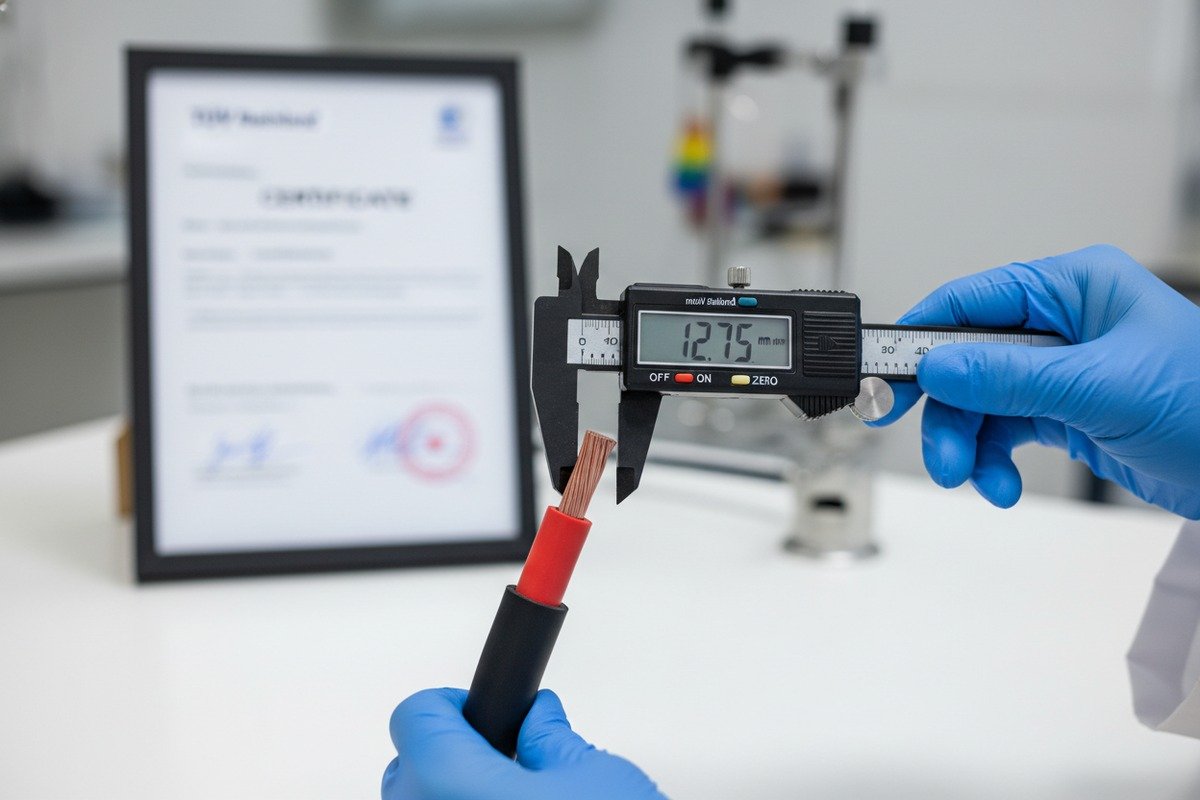
Start by requesting the TUV type test certificate for the specific cable model you intend to purchase. This certificate should reference EN 50618 and include conductor resistance test results conducted at an accredited lab. Check the certificate number against TUV's online database to confirm authenticity—our European customers, especially EPC firms in Germany, routinely do this and have caught expired or fabricated certificates.
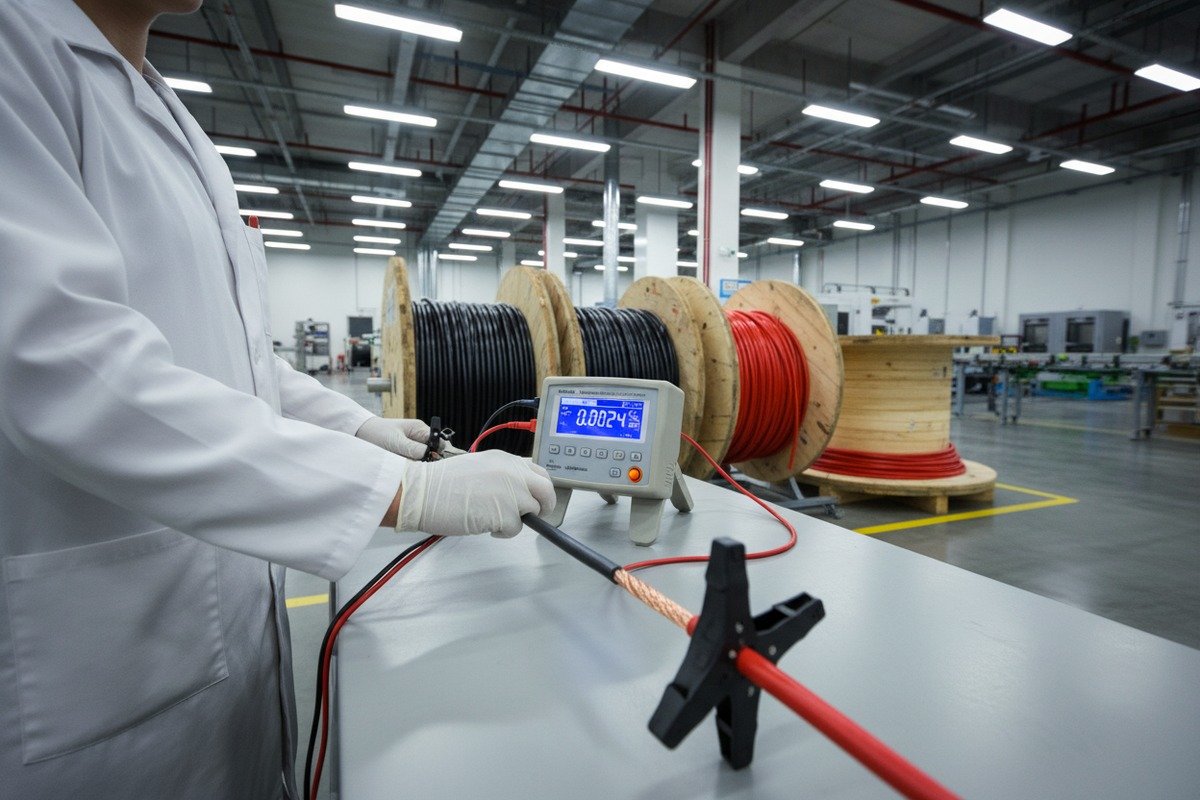
Next, ask for routine test reports. Type tests prove the design is compliant. Routine tests prove each batch is compliant. A responsible manufacturer tests conductor resistance on every production drum or at defined sampling intervals. At our production lines, we measure resistance on every reel using calibrated micro-ohmmeters and log the data with batch traceability codes.
If you want extra assurance, pull random samples from a delivered shipment and send them to an independent lab. Specify testing per IEC 60228 at 20°C with temperature correction applied. Compare the results to the table above. Any value exceeding the maximum is a clear fail.
Watch for These Common Issues
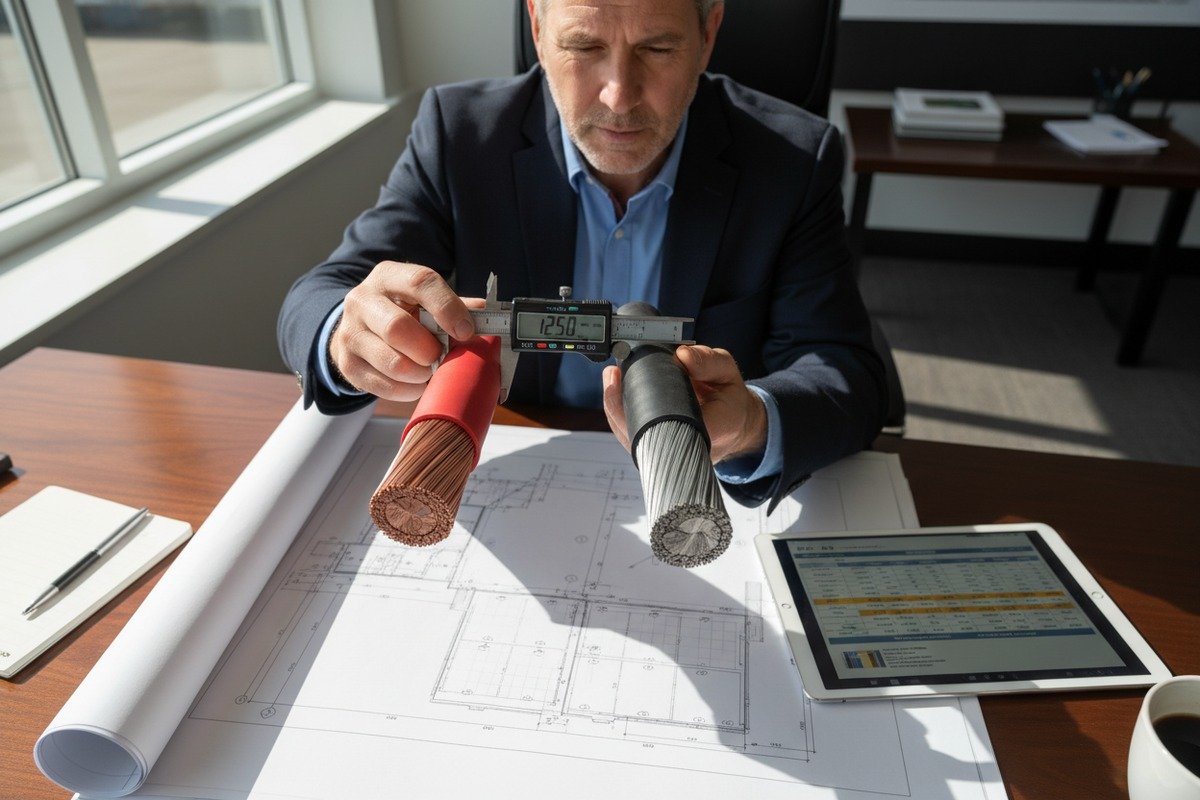
Some suppliers meet resistance specs by slightly oversizing the conductor—adding extra strands to compensate for impure copper. This can pass the test but indicates a deeper quality problem. Check the actual cross-sectional area against the declared value. A 6.0 mm² conductor that actually measures 6.8 mm² is hiding something.
Also verify strand count and individual strand diameter. Class 5 conductors for a 4.0 mm² cable typically require a minimum of 56 strands. Fewer strands mean less flexibility and potential non-compliance with the standard's construction requirements.
How do I assess if a manufacturer's copper drawing process will prevent premature cable failure in the field?
During a factory audit last year, one of our German EPC clients spent two hours watching our wire drawing and annealing lines. He told us he had previously sourced from a supplier whose cables showed brittle conductor fractures within three years of installation. The root cause was traced back to improper annealing during the drawing process.
Assess the manufacturer's copper drawing process by auditing their multi-stage wire drawing equipment, in-line annealing systems, and quality checkpoints for elongation, tensile strength, and surface finish. A properly annealed conductor should achieve ≥25% elongation to prevent brittleness and cracking during installation and thermal cycling.
Why the Drawing Process Is Critical
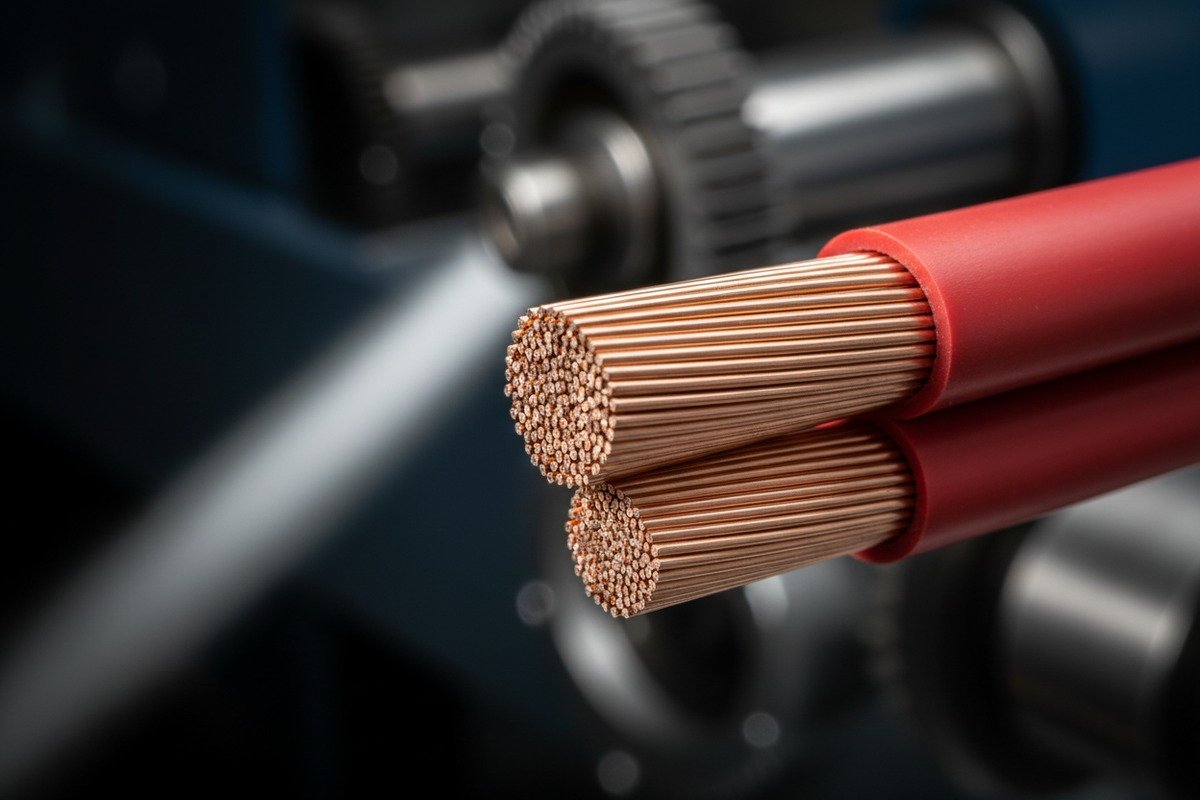
Copper rod is drawn through a series of progressively smaller dies to reach the final strand diameter. This cold-working process hardens the copper and makes it brittle. Without proper annealing—controlled heating and cooling—the finished conductor will crack when bent during installation or when subjected to thermal expansion and contraction cycles in the field.
For solar PV cables that must flex during installation, withstand wind-induced vibration on rooftop arrays, and endure daily temperature swings of 60°C or more, conductor ductility is non-negotiable.
Key Process Checkpoints During a Factory Audit
When visiting a manufacturer's facility, focus on these areas:
Wire Drawing Line Configuration. Look for continuous multi-die drawing machines with automatic tension control. Older single-die setups produce inconsistent strand diameters. Our production lines use 24-die continuous drawing machines that maintain tight diameter tolerances of ±0.005 mm.
Annealing Method. In-line resistance annealing is the industry standard for fine wire production. The wire passes through a controlled electric current that heats it to the recrystallization temperature, restoring ductility. Ask the manufacturer what temperature range they use and how they monitor it. Batch annealing in ovens is acceptable for larger wires but introduces more variability.
Elongation and Tensile Testing. After annealing, every strand should be tested for elongation at break and tensile strength. For annealed copper strands used in PV cables, expect elongation values of 25–30% minimum. If a manufacturer cannot show you their testing records or the testing equipment on the production floor, walk away.
Surface Quality Inspection. The strand surface should be smooth and free of drawing marks, scale, or oxide layers. Surface defects create weak points that corrode faster and reduce the effectiveness of tinning. Our quality control includes in-line surface scanners and manual visual checks at the spooling stage.
Tinning: An Extra Layer of Protection
For solar PV cables, tinned copper is strongly preferred over bare copper. The tinning process applies a thin layer of tin to each strand after drawing and annealing. This prevents oxidation and dramatically improves corrosion resistance in humid or salt-spray environments.
Ask your supplier about their tinning line—hot-dip tinning is common, and the tin layer thickness should be uniform and measurable. A typical specification is 1–3 microns of tin coating. Inconsistent tinning leads to bare spots that corrode and increase contact resistance at terminations.
What Bad Process Looks Like in the Field
Cables made with improperly drawn or unannealed copper show predictable failure patterns. Conductors crack at bend points near junction boxes. Resistance increases gradually as micro-fractures propagate. Hotspots develop. In the worst cases, arc faults ignite fires. These failures typically surface between years 3 and 8—well past the point where the supplier can claim shipping damage.
How can I identify red flags in copper pricing that might suggest a supplier is compromising on material quality?
Our sales team fields pricing inquiries every day from procurement managers across Europe, Southeast Asia, and Latin America. The question we hear most often is not "Why is your price this number?" but rather "Why is this other supplier's price so much lower?" That price gap almost always has an explanation—and it is rarely a good one.
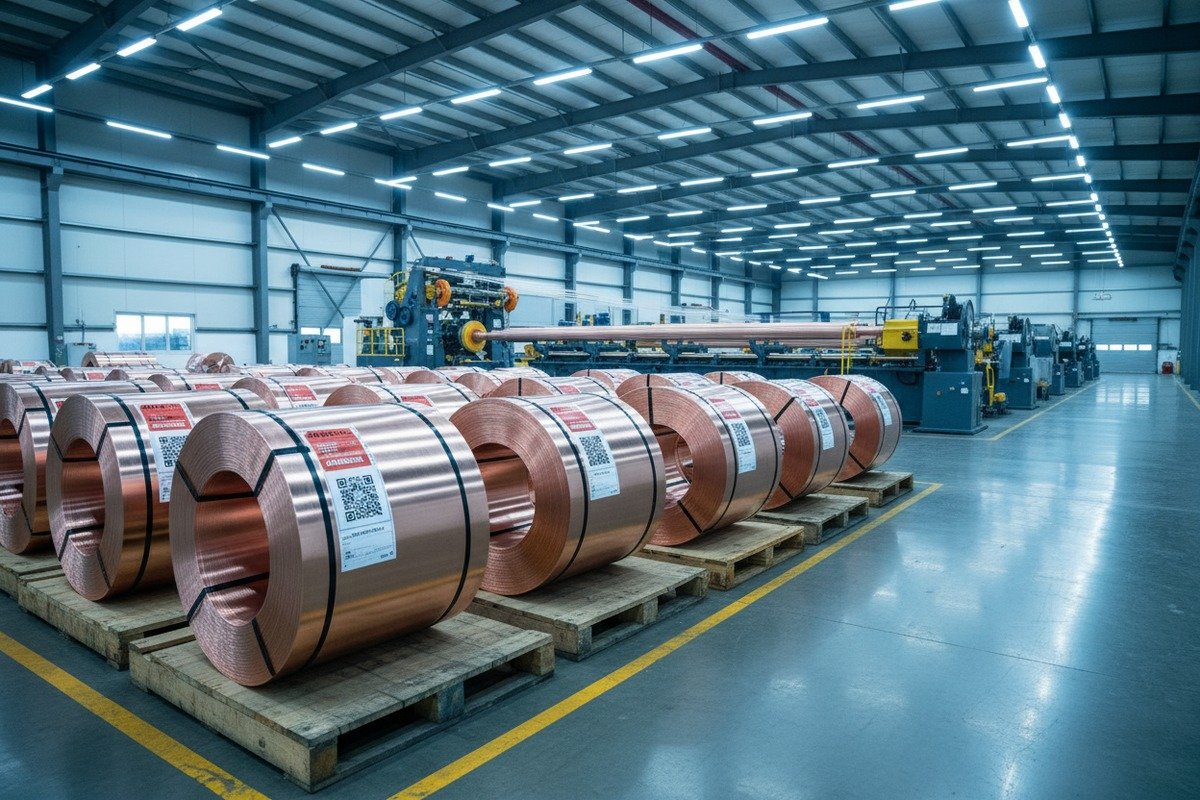
Compare quoted cable prices against the current LME copper price plus standard manufacturing margins. If a supplier's price falls more than 15–20% below the calculated material cost alone, suspect undersized conductors, copper-clad aluminum substitution, recycled low-grade copper, or inflated cross-section claims that compromise long-term cable performance.
How to Benchmark Copper Cable Pricing
Copper is a commodity with a transparent global price. The London Metal Exchange publishes daily copper cathode prices, currently fluctuating between $8,500 and $9,500 per metric ton in 2025. This means the raw copper cost of a PV cable can be calculated with reasonable accuracy.
Here is a simplified cost breakdown:
| Cost Component | Approximate Share of Total Cable Price |
|---|---|
| Copper conductor (raw material) | 55–70% |
| Tin coating (if tinned copper) | 3–5% |
| XLPE insulation material | 8–12% |
| Outer jacket (LSZH or PVC) | 5–8% |
| Manufacturing, labor, overhead | 8–12% |
| Certification, testing, packaging | 3–5% |
| Supplier margin | 5–10% |
Because copper represents the majority of the cable cost, any significant price reduction must come from the copper. There is limited room to cut costs on insulation or manufacturing without also compromising quality.
Specific Red Flags to Watch For
Price below raw material cost. Calculate the weight of copper in one kilometer of the cable based on the declared cross-sectional area. Multiply by the current LME copper price plus a 5–10% premium for rod conversion. If the quoted cable price is at or below this number, the supplier is either losing money or not putting the copper they claim into the cable.
Vague or missing weight specifications. A reputable cable supplier will state the conductor weight per kilometer on their datasheet. If this number is missing, or if the delivered cable is noticeably lighter than the datasheet claims, conductor undersizing is likely.
Reluctance to provide mill certificates. Suppliers using recycled or off-spec copper will avoid documentation that traces the material to its source. If your supplier cannot or will not provide copper rod mill test certificates, treat this as a serious red flag.
Unusually flexible pricing. Copper prices move daily. A supplier who quotes a fixed price valid for six months without any copper price adjustment clause is either absorbing significant risk or has built a large margin—or is not using the copper they claim. Transparent suppliers tie pricing to LME indices with clear adjustment formulas.
The Real Cost of "Cheap" Copper
One of our clients in the Philippines shared a case study where a competitor's cable, priced 30% below market, was installed on a 5 MW commercial rooftop. Within 18 months, IR thermography revealed hotspots across 40% of the DC string cabling. Independent testing showed the conductor was CCA (copper-clad aluminum) despite being sold as solid copper. The cost of recabling the entire system exceeded the original "savings" by a factor of four.
Price is a signal. When it seems too good, it usually is. Our recommendation is always to request a full price breakdown from your supplier and verify copper content independently on the first shipment. The upfront effort pays for itself many times over across a 25-year project lifecycle.
Conclusion
Evaluating copper conductor sourcing is the single most important quality check you can perform on any PV cable supplier. Verify purity, test resistance, audit the drawing process, and benchmark pricing against transparent market data. These steps protect your projects, your reputation, and your bottom line for decades.
Footnotes
1. Explains the continuous casting and rolling process for copper rod production. ↩︎
2. Defines electrolytic copper, its purity, and high electrical conductivity. ↩︎
3. Official page for UL 4703, outlining requirements for photovoltaic wire. ↩︎
4. Explains the Kelvin bridge, used for measuring low electrical resistances. ↩︎
5. Describes the EN 50618 standard for PV cables, including construction and voltage. ↩︎
6. Details the properties and chemical composition of UNS C11000 electrolytic tough pitch copper. ↩︎
7. Provides a comprehensive overview of oxygen-free copper, including OFHC grade. ↩︎
8. Official London Metal Exchange website, the global center for industrial metals trading. ↩︎
9. Official specification for copper rod drawing stock for electrical purposes. ↩︎
10. Explains the IEC 60228 standard for conductors in insulated cables. ↩︎