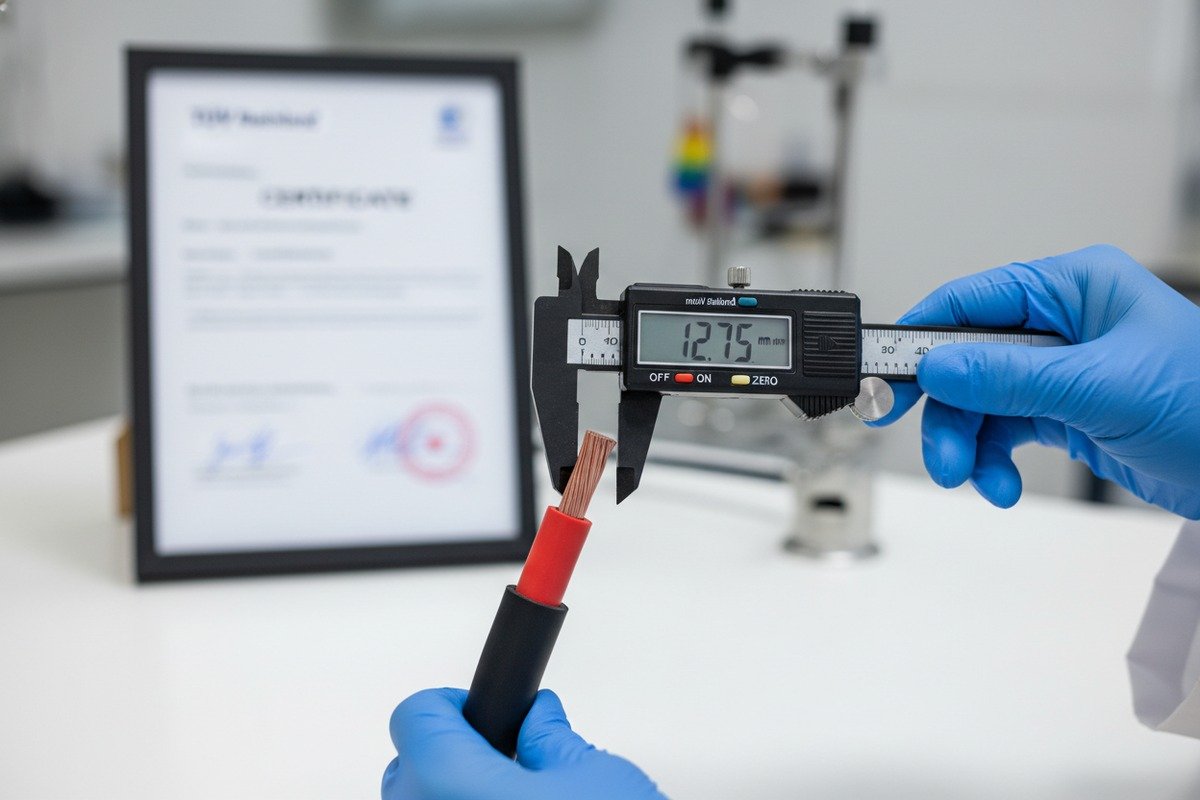
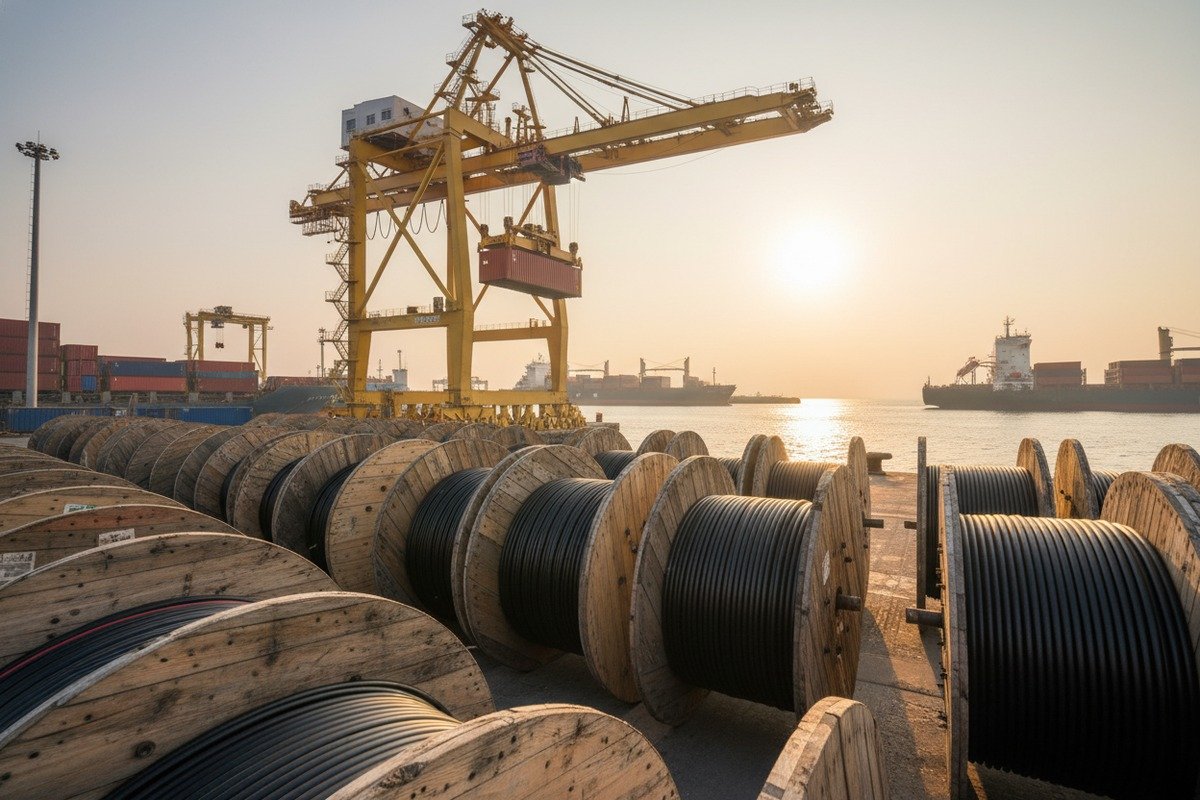
Every year, our shipping department handles thousands of ADSS cable reels 1 bound for ports across five continents. The single biggest question buyers ask us before placing an order is not about fiber count or span length — it is about trade terms. The wrong Incoterm 2 can quietly add 15–20% to your total landed cost, turning a competitive deal into a budget nightmare.
To optimize ADSS optical cable logistics costs from China, choose FOB for maximum freight control, CIF for convenience on mid-size orders, or DDP when you need turnkey delivery. Match your Incoterm to shipment volume, destination complexity, and your in-house logistics capability to minimize total landed cost.
Below, we break down each major trade term with real cost comparisons, practical tables, and lessons drawn from decades of shipping fiber optic cable worldwide DDP (Delivered Duty Paid) 3. Let's walk through the options so you can pick the one that fits your project best.
Should I choose FOB or CIF to minimize my ADSS cable shipping expenses from China?
This is the debate we hear most often at our Hainan facility when buyers finalize purchase contracts. Picking the wrong side of FOB versus CIF can cost you thousands on a single container.
FOB (Free on Board) generally saves experienced importers 10–15% on ocean freight because you select your own carrier and negotiate rates directly. CIF (Cost, Insurance, and Freight) is better for buyers who lack freight forwarding relationships or want the seller to manage shipment to the destination port.

How FOB Works for ADSS Cable
Under FOB, our responsibility ends once the cable reels are loaded onto the vessel at the origin port — typically Shanghai, Ningbo, or Shenzhen. FOB (Free on Board) 4 From that point, you own the freight contract and the insurance policy. This means you pick the shipping line, the route, and the transit schedule.
Many of our repeat buyers in the USA and Europe prefer FOB because they already have volume contracts with carriers like Maersk or MSC. They get discounted container rates that we simply cannot match when we bundle freight into a CIF quote. One US-based distributor told us he saves roughly $800–$1,200 per 20-ft container by using his own forwarder on FOB terms.
When CIF Makes More Sense
CIF adds the cost of ocean freight 5 and basic marine insurance into the price. CIF (Cost, Insurance, and Freight) 6 We arrange the shipment, and you receive the goods at your destination port. This is popular among buyers in Africa, the Middle East, and parts of Latin America where local freight forwarding networks are less mature.
However, CIF insurance is usually minimal — typically covering 110% of invoice value under ICC(C) terms. That may not fully protect heavy ADSS cable reels during rough sea transit. If you need better coverage, you will pay extra anyway.
FOB vs. CIF Cost Breakdown for a Typical ADSS Shipment
| Cost Element | FOB Shanghai | CIF Destination Port |
|---|---|---|
| Cable cost (24-core, 10 km) | $2,000–$2,500 | $2,000–$2,500 |
| Origin inland transport | Included | Included |
| Ocean freight (20-ft container) | Buyer arranges (~$1,500–$2,800) | Included in CIF price (~$2,200–$3,500 markup) |
| Marine insurance 7 | Buyer arranges (~$50–$150) | Included (basic ICC-C) |
| Destination port charges | Buyer pays | Buyer pays |
| Total buyer control | High | Low |
| Potential savings for experienced importer | 10–15% on freight | — |
The Bottom Line on FOB vs. CIF
If you import ADSS cable regularly and have a trusted freight forwarder, FOB gives you the best cost control. If this is your first order or you are shipping to a complex destination, CIF removes some headaches — just factor in the markup. At our factory, we quote both terms side by side so buyers can compare directly.
How can DDP terms simplify my logistics and prevent unexpected costs for my fiber optic project?
When our sales team works with first-time importers or project contractors facing tight deadlines, DDP is the term that comes up most. The appeal is obvious — one price, door to door, no surprises.
DDP (Delivered Duty Paid) means the seller handles everything: export customs, ocean freight, import duties, and delivery to your warehouse. It eliminates surprise fees for buyers unfamiliar with customs procedures, though the all-inclusive price is typically 20–30% higher than FOB because the seller prices in every risk.
What DDP Covers
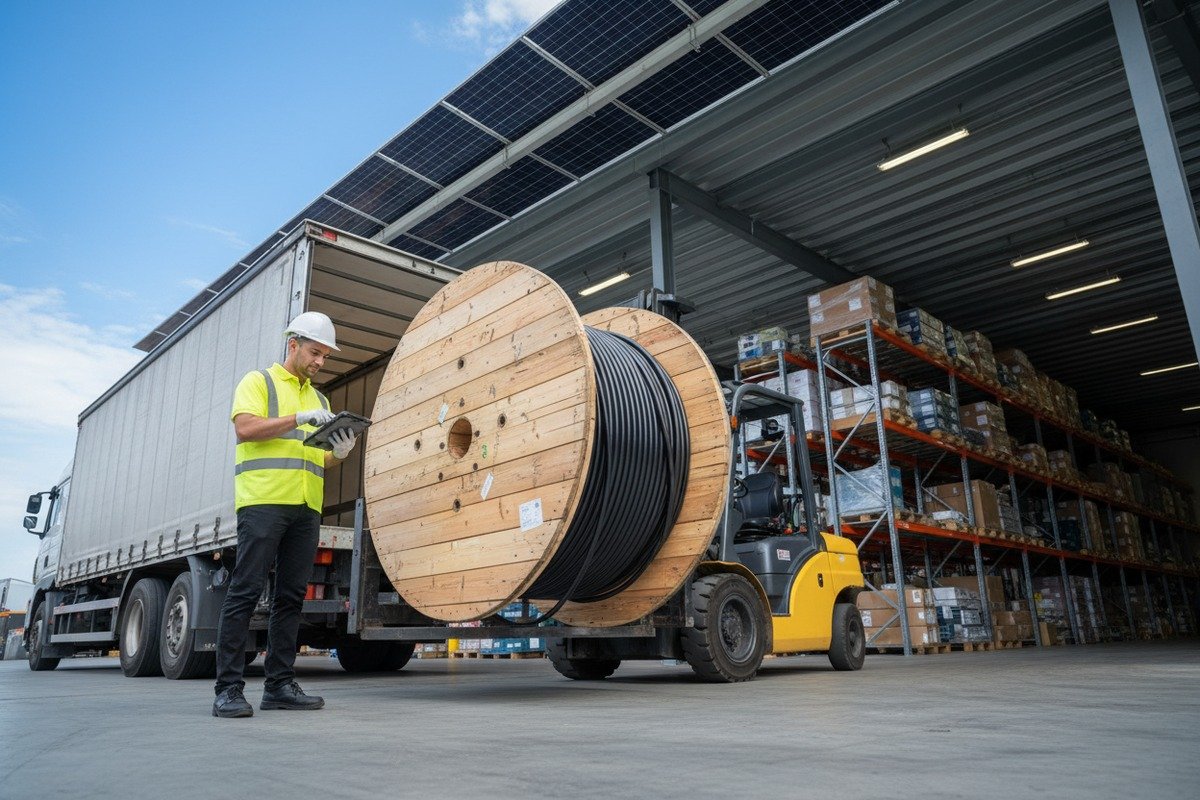
Under DDP, we take responsibility from our factory in Hainan all the way to your specified address. That includes export clearance in China, ocean or air freight, destination customs clearance, import duties and taxes, and last-mile trucking. You literally just receive the cable reels at your door.
This is particularly useful for buyers in countries with complex import regulations. For example, a telecom contractor in Colombia recently asked us for DDP because navigating Colombian customs for fiber optic products involves specific tariff codes and documentation. By handling it ourselves through our logistics partner in Bogotá, we ensured zero delays.
The Hidden Trade-Off
DDP shifts all risk to the seller, so we price it accordingly. We must estimate duties, taxes, and potential delays. If we overestimate, you pay more than necessary. If we underestimate, we absorb the loss — which means we rarely underestimate. This is why DDP quotes often appear 20–30% higher than FOB.
When DDP Is Worth the Premium
- You have a hard project deadline and cannot afford customs delays.
- You lack import licenses or customs broker contacts in your country.
- The order is mid-size (5–20 km of cable) and the added cost is manageable within your project budget.
- You want a single invoice for accounting simplicity.
When to Avoid DDP
- You are a large-volume importer with established customs relationships.
- Your country offers duty exemptions or preferential tariffs that you can claim yourself but the seller cannot.
- You want to control carrier selection for insurance or scheduling reasons.
DDP vs. FOB vs. CIF Quick Comparison
| Factor | EXW | FOB | CIF | DDP |
|---|---|---|---|---|
| Export customs | Buyer | Seller | Seller | Seller |
| Ocean freight | Buyer | Buyer | Seller | Seller |
| Marine insurance | Buyer | Buyer | Seller (basic) | Seller |
| Import customs | Buyer | Buyer | Buyer | Seller |
| Duties & taxes | Buyer | Buyer | Buyer | Seller |
| Last-mile delivery | Buyer | Buyer | Buyer | Seller |
| Buyer effort level | Very high | Moderate | Low-moderate | Minimal |
| Typical cost premium vs. FOB | -5% (factory gate) | Baseline | +5–10% | +20–30% |
Our engineering and logistics teams can provide DDP quotes for most destinations within 48 hours. We work with freight partners in over 30 countries to keep these quotes accurate and competitive.
Which trade terms offer me the most control over the safety and handling of my heavy ADSS cable reels?
Our quality control team has seen cable reels arrive damaged at destination — cracked wooden drums, crushed fibers, water-soaked packaging. In almost every case, the damage happened during a handoff that neither the buyer nor the seller was actively supervising.
FOB and EXW give buyers the most control over carrier selection, routing, and handling instructions for heavy ADSS cable reels. When you choose the freight forwarder, you dictate stacking limits, loading methods, and insurance coverage — critical for protecting reels weighing 200–500 kg each during 20–25 days of ocean transit.
Why Handling Matters for ADSS Cable
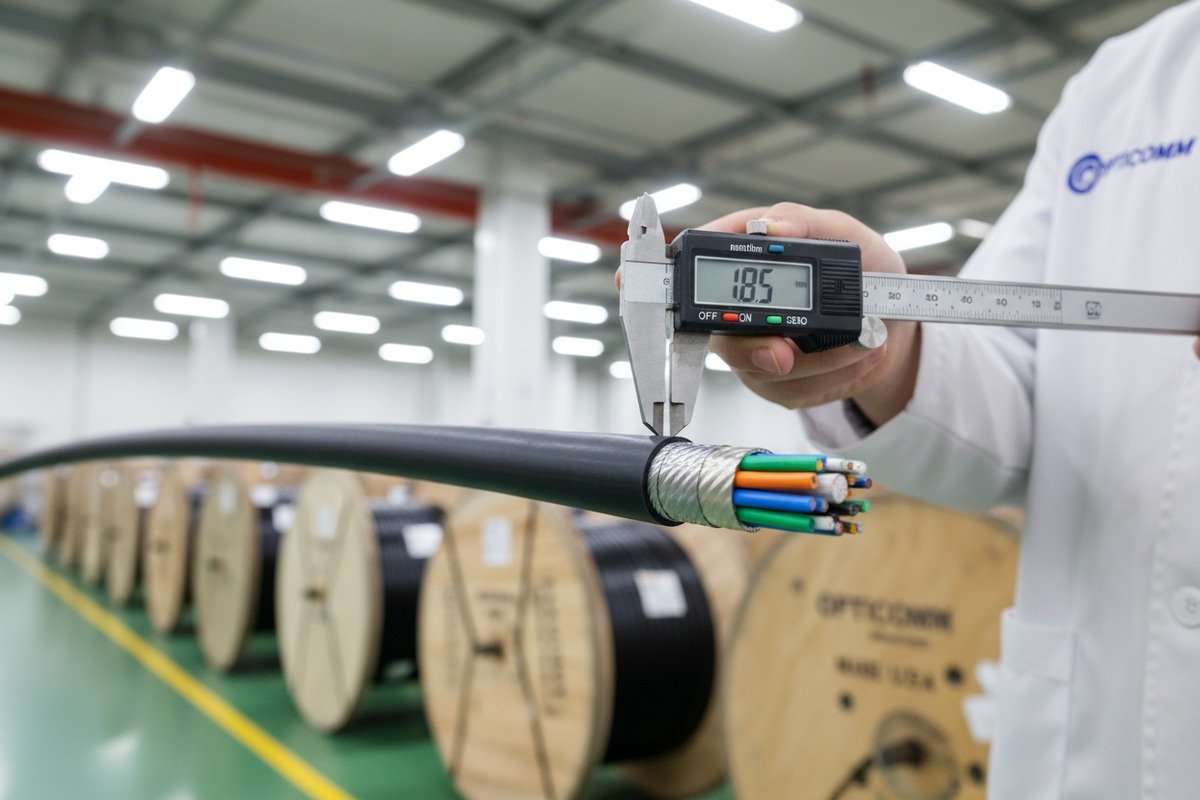
ADSS cables are wound onto wooden or steel reels that typically weigh between 200 kg and 500 kg depending on fiber count and reel length (usually 2–4 km per reel). These reels must be stored upright, never stacked beyond specified limits, and kept dry. A single reel of 48-core ADSS cable at $250/km on a 4 km drum represents $1,000 of product. A full container might hold 8–12 reels. That is $8,000–$12,000 at risk in one box.
At our factory, we reinforce wooden reels with steel bands and wrap them in waterproof PE film before loading. But once the container leaves our dock, control depends on the Incoterm.
Control Levels by Incoterm
Under EXW, you control everything from the factory gate. You choose the truck to the port, the container loading method, the shipping line, and the destination transport. This gives you maximum oversight but also maximum responsibility. If your forwarder mishandles loading, you bear the cost.
Under FOB, we handle export logistics and loading at the origin port. You take over once goods are on the vessel. You still choose the carrier and can specify handling requirements.
Under CIF or DDP, the seller picks the carrier. You have limited say in routing or handling. If the seller's forwarder uses a budget carrier that stacks containers poorly, your reels pay the price.
Packaging and Loading Best Practices
From our three decades of shipping experience, here are the practices that prevent damage:
- Use steel-reinforced reels for shipments over 3,000 km by sea.
- Secure each reel with nylon strapping inside the container.
- Place moisture-absorbing desiccant packs around the reels.
- Insist on "non-stackable" markings on the container.
- Request photos of the loaded container before sealing — we provide this as standard.
Insurance Considerations
If you use FOB and arrange your own insurance, you can purchase ICC(A) "all risks" coverage 8, which protects against almost any cause of damage. Under CIF, sellers typically only provide ICC(C) — the most basic level. The difference in premium is small (often $50–$200 per container), but the difference in coverage is enormous.
Our recommendation: if your ADSS cable shipment exceeds $5,000 in value, always opt for ICC(A) coverage regardless of the Incoterm.
How do I determine if EXW or DAP is more budget-friendly for my specific bulk cable procurement needs?
When buyers place bulk orders — say 50 km or more of ADSS cable — the logistics cost becomes a major percentage of the total project budget. Our export team often runs side-by-side cost models for EXW versus DAP to help buyers decide.
EXW is cheapest at face value because you pay only the factory-gate price, but total costs rise fast when you add export handling, freight, and customs. DAP (Delivered at Place) includes transport to your named destination minus import duties, making it easier to budget. For bulk orders over 50 km, EXW saves 5–10% if you have strong logistics infrastructure; DAP saves time and reduces coordination risk.

Understanding EXW for Bulk Cable
EXW (Ex Works) 9 means we place the cable reels at our factory loading dock. Everything after that — trucking to port, export customs, ocean freight, destination customs, and final delivery — is on you. The price per kilometer looks very attractive because it excludes all logistics costs.
However, many first-time importers underestimate the complexity. In China, export customs clearance requires specific documentation, and arranging inland transport from our factory in Hainan to a major port like Shenzhen adds cost. If you don't have a licensed customs broker in China, EXW can become a logistical nightmare.
Understanding DAP for Bulk Cable
DAP (Delivered at Place) 10 means we deliver the cable to your named location — your warehouse, a job site, or a distribution center — but you handle import customs clearance and pay duties. This sits between CIF and DDP in terms of seller responsibility.
DAP is popular among buyers who have import licenses and customs broker relationships but don't want to manage international freight. We handle everything up to your door except the customs paperwork and duty payment on your side.
EXW vs. DAP Total Landed Cost Example
Here is a realistic cost model for a 50 km order of 24-core ADSS cable shipped from Hainan, China to Houston, Texas:
| Cost Component | EXW | DAP |
|---|---|---|
| Cable cost (24-core, 50 km @ $200/km) | $10,000 | $10,000 |
| China inland trucking (factory to Shenzhen port) | $400 (buyer arranges) | Included |
| Export customs & documentation | $150 (buyer arranges) | Included |
| Ocean freight (40-ft container, Shenzhen–Houston) | $2,800 (buyer arranges) | Included |
| Marine insurance (ICC-A) | $120 (buyer arranges) | Included |
| Destination port handling | $350 (buyer pays) | Included |
| Last-mile trucking (Houston port to warehouse) | $300 (buyer arranges) | Included |
| Import duties & taxes (~3.9% on fiber optic cable) | $390 (buyer pays) | $390 (buyer pays) |
| Total landed cost | $14,510 | $14,800–$15,200 |
| Buyer coordination effort | Very high | Low |
In this model, EXW saves roughly $300–$700 — about 2–5%. But the buyer must coordinate six separate logistics steps. For a procurement manager juggling multiple projects, that time and complexity has real cost.
Which Is Better for Your Situation?
Choose EXW if:
- You import regularly from China and have a licensed broker there.
- You ship enough volume to get bulk freight rates.
- You want to consolidate shipments from multiple Chinese suppliers into one container.
Choose DAP if:
- You want one point of contact for the entire supply chain.
- You import occasionally and lack a China-based logistics partner.
- Your project timeline is tight and coordination risk could cause costly delays.
A Note on Tariffs and Trade Policy
With shifting trade policies in 2025 and 2026 — including potential anti-dumping duties on certain optical fiber products — it pays to stay informed. Under EXW or DAP, you are responsible for import duties. If tariffs rise unexpectedly after you sign a purchase contract, you absorb that cost. Some buyers negotiate a "tariff adjustment clause" with us to share that risk. We are open to these conversations because long-term partnerships matter more than any single shipment.
Conclusion
Choosing the right Incoterm is not a minor detail — it directly shapes your ADSS cable project budget. Match the trade term to your logistics capability, order volume, and risk tolerance for the best outcome.
Footnotes
1. Provides a definition and overview of All-Dielectric Self-Supporting (ADSS) cables. ↩︎
2. Explains the purpose and importance of Incoterms in international trade. ↩︎
3. Explains DDP, covering seller's comprehensive responsibilities including duties. ↩︎
4. Defines FOB and outlines seller/buyer responsibilities under this trade term. ↩︎
5. Provides an overview of ocean freight as a mode of international shipping. ↩︎
6. Defines CIF and details the responsibilities for cost, insurance, and freight. ↩︎
7. Explains marine insurance and its role in protecting goods during transit. ↩︎
8. Details the comprehensive 'all risks' coverage under Institute Cargo Clauses A. ↩︎
9. Defines EXW and clarifies the minimal seller obligations at the factory gate. ↩︎
10. Defines DAP and outlines the shared responsibilities for delivery and import. ↩︎