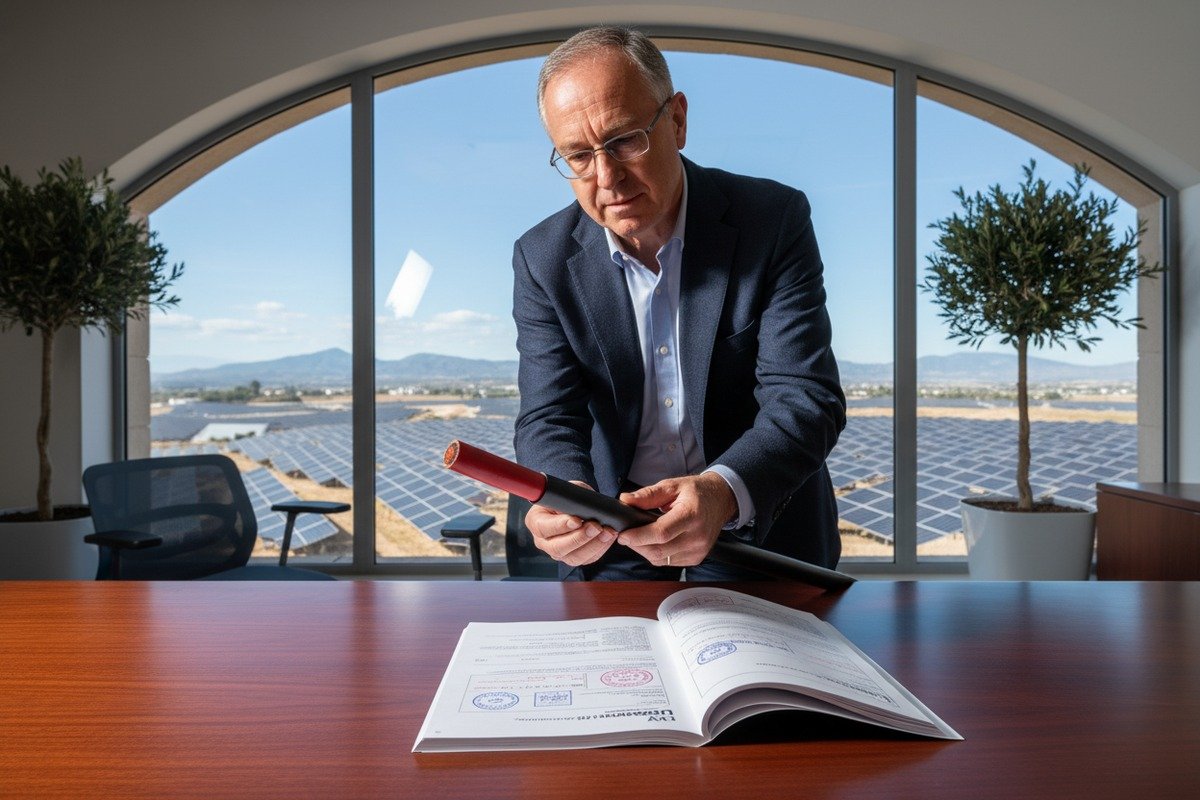

Every week, our sales engineers field the same question from utility contractors and telecom buyers around the world: "How many cores do I really need?" It sounds simple, but picking the wrong ADSS fiber optic cable 1 core count can cost you tens of thousands of dollars in rework, stranded capacity, or premature upgrades.
Choosing the right ADSS fiber optic cable core count depends on your current bandwidth demand, future expansion plans, span length, voltage environment, and budget. Common counts range from 12 to 144 cores, with 24- and 48-core options covering most utility and telecom applications.
In this guide, we break down each decision factor step by step bandwidth demand 2. You will learn how to match core count to your real-world project needs, avoid common over-specification traps, and make a cost-smart investment. Let's start with the most fundamental question.
How many fiber cores do I actually need for my current network distribution requirements?
Too many buyers guess at their core count. They either copy a competitor's spec or pick a round number Smart grid modernization 3. On our production floor, we have seen projects delayed because the cable delivered had half the fibers needed—or twice as many, wasting budget on unused capacity.
To determine how many fiber cores you need now, map every endpoint in your network—substations, cell towers, offices, sensors—and assign at least one dedicated fiber pair per link. Then add a 20–30% buffer for redundancy and near-term connections.

Start With an Endpoint Audit
Before you open a cable catalog, count your endpoints. Each active connection in a point-to-point topology needs a minimum of one fiber pair 4 (two cores). If you use ring or mesh topologies, you may need two pairs per node for redundancy. Write down every device that must communicate: SCADA terminals 5, relay protection units, video surveillance cameras, VoIP phones, and data switches.
For example, a rural power distribution company connecting 10 substations in a ring needs at least 20 cores just for the primary ring. Add four cores for a network management channel and two spare pairs, and you land at 28 cores minimum. In practice, a 48-core cable is the logical choice here because standard counts jump from 24 to 48.
Match Core Count to Application Type
Different applications consume fibers at very different rates. A simple rural broadband last-mile link may need only 2–6 cores. A suburban telecom backbone feeding multiple FTTx splitters may need 48–96. A high-voltage transmission line carrying smart grid data across 200 km may call for 24–48 dedicated cores.
| Application | Typical Core Count | Topology | Key Driver |
|---|---|---|---|
| Rural broadband last-mile | 2–12 | Point-to-point | Low subscriber density |
| Urban FTTx feeder | 48–144 | Ring / Star | High subscriber density |
| Utility SCADA & relay protection | 12–24 | Ring | Device count per substation |
| 5G small-cell backhaul | 24–48 | Mesh | Cell density per km² |
| Smart grid sensor network | 48–96 | Ring / Mesh | Sensor volume + analytics |
| Inter-city long-haul backbone | 96–288 | Point-to-point | Wavelength capacity |
Do Not Forget Redundancy
No fiber network should run at 100% utilization from day one. Industry best practice reserves at least 20% of cores as "dark fibers 6" for failover and maintenance. If a fusion splice fails or a fiber is damaged during mid-span access, having spare cores means the network stays live while you repair. Our engineering team always recommends building this buffer into the initial count rather than running a second cable later, which doubles your installation labor.
A Simple Formula
Here is a quick calculation you can use:
Required cores = (Number of endpoints × fibers per link) + redundancy pairs + management channel fibers
Round up to the next standard count (6, 12, 24, 48, 72, 96, 144). This formula keeps your planning grounded in real numbers rather than assumptions.
Should I choose a higher core count now to future-proof my long-term infrastructure expansion?
When we ship ADSS cables to contractors in Southeast Asia and Latin America, we often hear: "I only need 24 cores today, but what about five years from now?" It is a valid concern. Pulling new aerial cable through the same route is expensive and disruptive, sometimes more costly than the cable itself.
Yes, selecting a moderately higher core count upfront is almost always smarter than re-cabling later. The incremental material cost of upgrading from 24 to 48 cores is typically 15–25%, while a second installation can cost 3–5 times more in labor, permits, and outage penalties.
The Real Cost of Under-Specifying
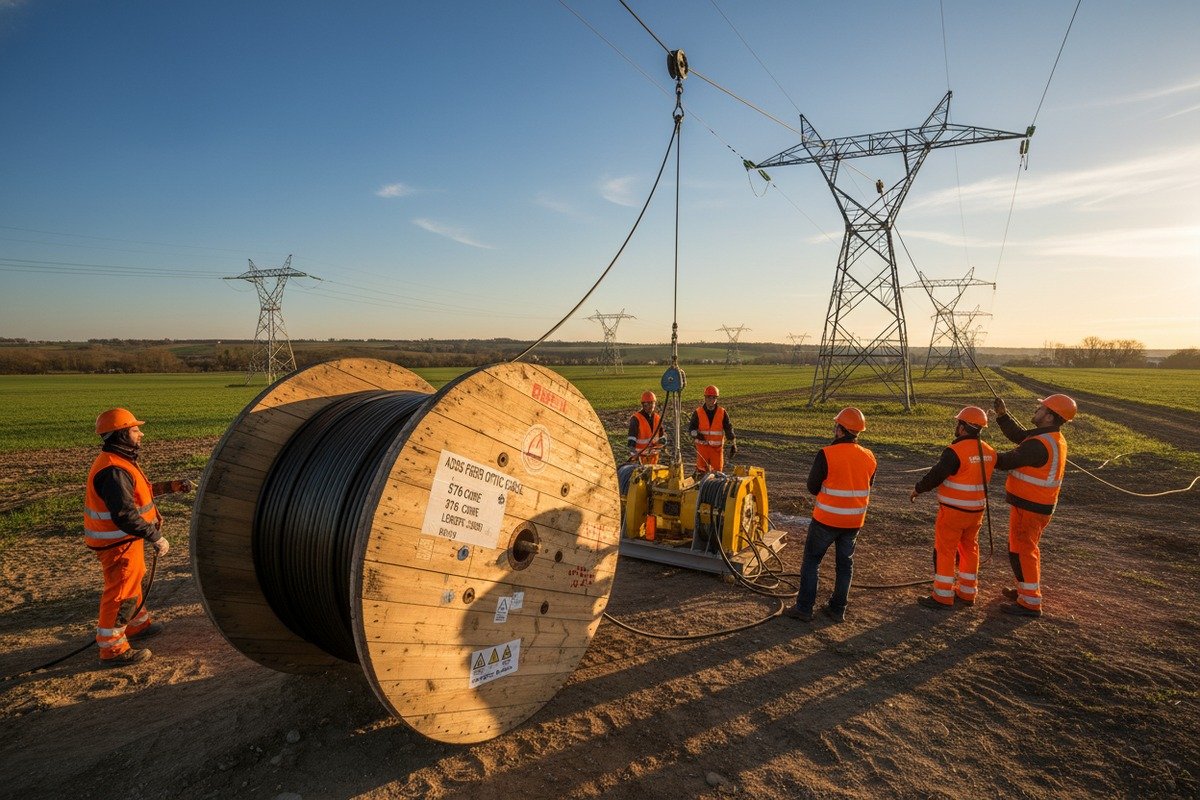
Aerial ADSS installation involves bucket trucks, pole hardware, tensioning equipment, traffic management, and utility outage coordination. In many markets, installation labor accounts for 60–70% of the total project cost. The cable itself is often the smaller expense. So when you save $2,000 by choosing 24-core over 48-core cable for a 10 km run, but later spend $40,000 to install a second cable for expansion, the math is painfully clear.
What Is Driving Future Demand?
Several macro trends are pushing fiber demand upward:
- 5G backhaul: Every small cell requires dedicated fiber. Urban densification means more cells per square kilometer each year. 5G backhaul 7
- Smart grid modernization: Utilities are deploying distributed energy resources, phasor measurement units, and automated fault isolation—all fiber-hungry.
- FTTx expansion: Governments worldwide are mandating broadband access in underserved areas, pushing operators to extend fiber deeper into networks.
- AI and edge computing: Edge data centers near population centers need high-bandwidth, low-latency backhaul that only fiber can deliver.
- Quantum Key Distribution (QKD): Emerging secure communication protocols require dedicated dark fibers with specific isolation properties. Quantum Key Distribution 8 Reserving cores now avoids costly upgrades later.
How Much Extra Should You Spec?
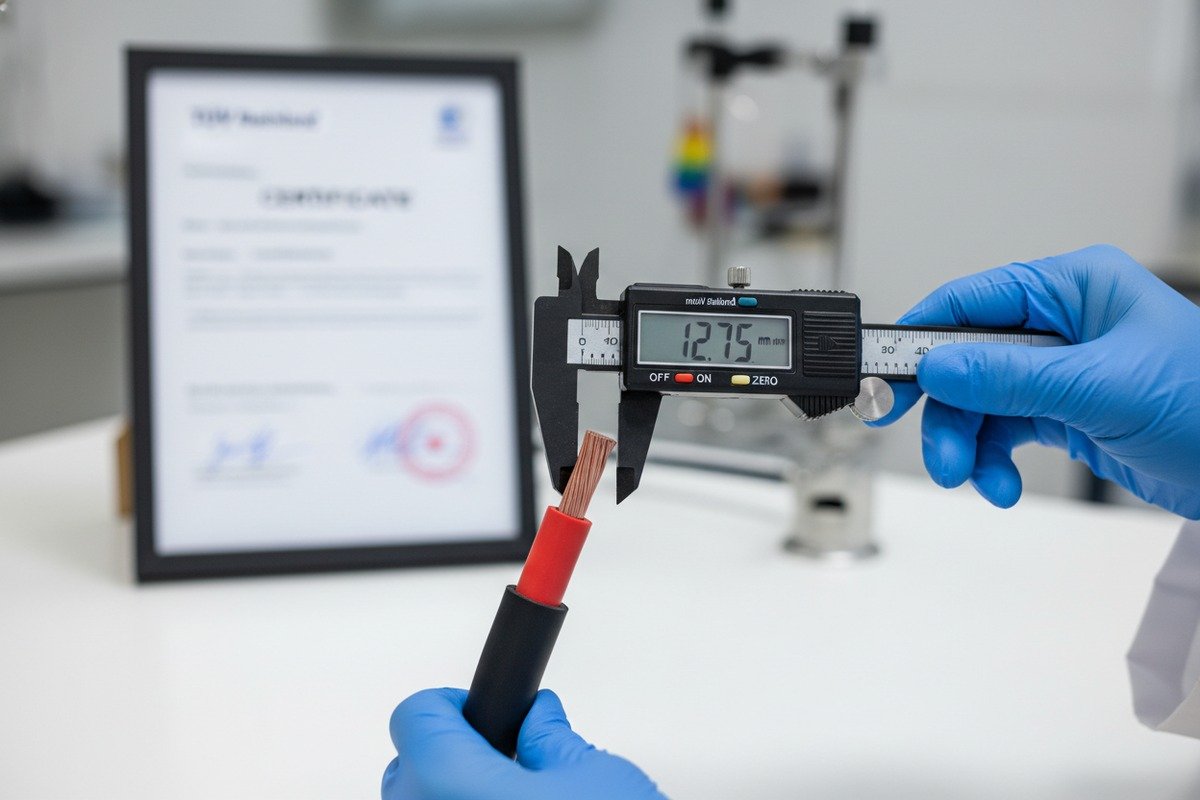
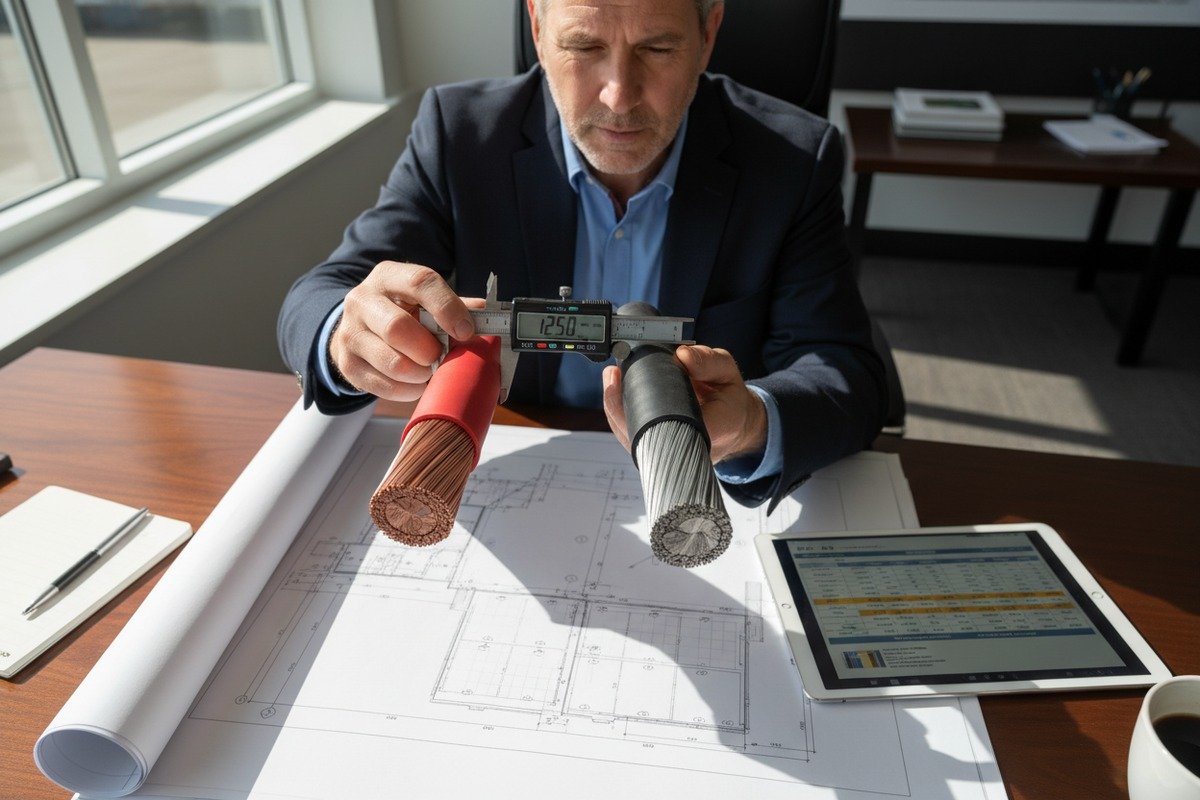
A common industry guideline is to plan for 5–10 years of growth. If your current need is 24 cores, consider 48 or 72. If you need 48, look at 96. The weight and diameter increase is modest—our 48-core ADSS cable typically measures around 12.5 mm in diameter and weighs about 110 kg/km, compared to roughly 11.5 mm and 90 kg/km for 24-core. That small difference rarely affects span capability.
| Core Count | Typical OD (mm) | Weight (kg/km) | Cost Premium vs. 12-Core |
|---|---|---|---|
| 12 | 11.0 | 85 | Baseline |
| 24 | 11.5 | 95 | +10–15% |
| 48 | 12.5 | 110 | +25–35% |
| 96 | 13.5 | 130 | +50–65% |
| 144 | 15.0 | 155 | +75–90% |
When Over-Specifying Hurts
There is a ceiling. Jumping from 24 to 144 cores "just in case" can backfire. Larger cables have bigger diameters, heavier weights, and higher wind and ice loads. This may force you to shorten spans or upgrade pole hardware. If your route crosses long spans or is in a heavy ice zone, every millimeter of diameter and every gram of weight matters. The key is proportional growth—not blind maximization.
Our recommendation is simple: choose one step above your current need if your route mechanics allow it. If current need is 24, go to 48. If current need is 48, go to 96. This balances cost, capacity, and mechanical performance.
How does the number of cores affect the mechanical strength and span capability of my ADSS cable?
This is where many buyers make costly mistakes. On more than one occasion, we have had clients request 144-core ADSS cable for a 600-meter span in a heavy ice-loading zone, only to discover that the cable sag exceeded their pole clearance limits. Understanding the relationship between core count and mechanical performance is critical.
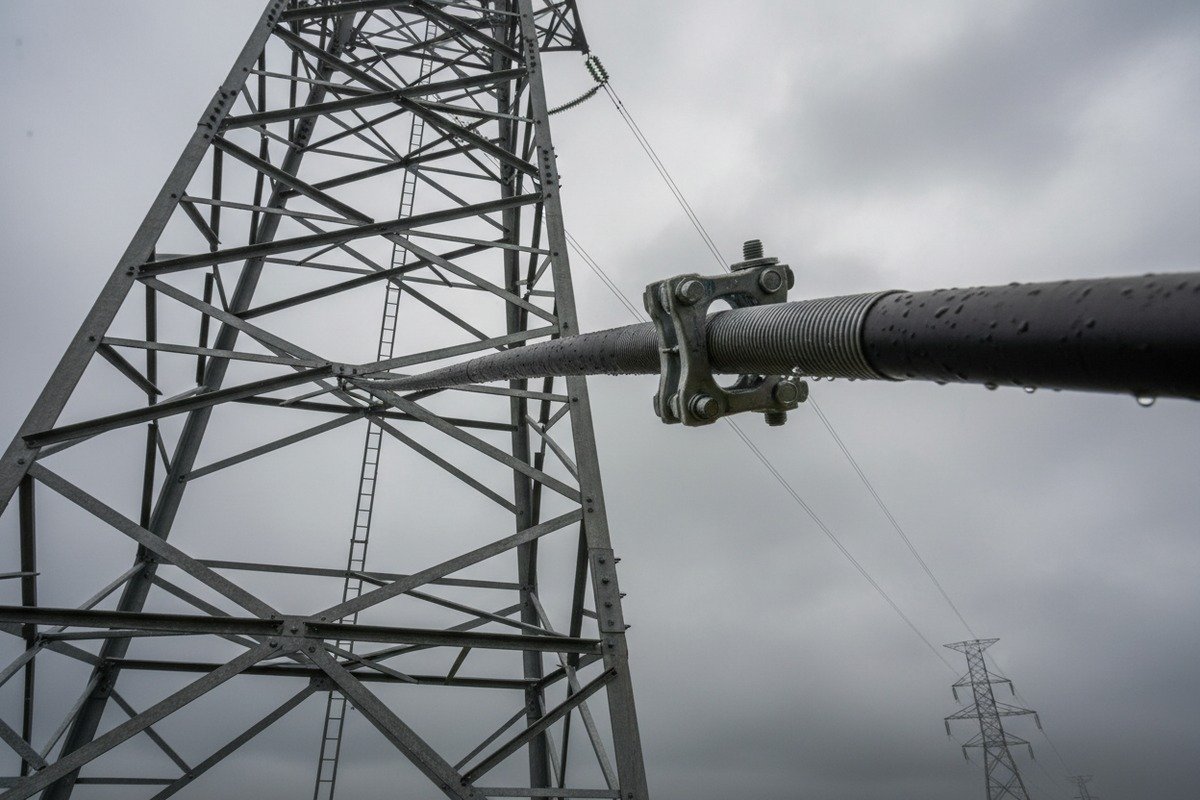
Higher core counts increase cable diameter and weight, which directly raise wind and ice loading forces. This can reduce maximum allowable span length or increase sag. For long spans (400 m+) in harsh climates, staying at or below 48 cores often preserves optimal mechanical performance without extra pole reinforcement.
Why Core Count Affects Span Performance
ADSS cables are self-supporting. They hang between poles under their own weight plus environmental loads. The main forces acting on the cable are:
- Gravitational load — the cable's own weight per meter.
- Wind load — proportional to the cable's outer diameter.
- Ice load — a radial ice coating adds both weight and diameter, increasing both gravitational and wind forces simultaneously.
When you increase core count, the cable's cross-section grows. More loose tubes, more filler rods, thicker aramid yarn 9 layers, and sometimes a transition from single-jacket to double-jacket construction. All of this adds diameter and weight.
Cable Structure Matters
For lower core counts (2–24), manufacturers typically use a central loose tube design. All fibers sit in a single tube at the cable's center, surrounded by aramid strength members and an outer jacket. This is compact, lightweight, and ideal for spans under 300 meters.
For higher core counts (36–288), the design shifts to a stranded loose tube (SZ or helical lay) configuration. Multiple color-coded tubes are stranded around a central strength member, often with water-blocking yarn and an aramid layer. This design is inherently larger but allows mid-span access and easier fiber identification.
Span Capability Reference
Based on NESC loading conditions 10 and data from our testing lab, here are general span guidelines. Actual values depend on your specific cable design, attachment height, and local conditions.
| Core Count | Cable OD (mm) | Weight (kg/km) | Max Span – Light Loading | Max Span – Medium Loading | Max Span – Heavy Loading |
|---|---|---|---|---|---|
| 12 | 11.0 | 85 | 250 m (820 ft) | 200 m (650 ft) | 140 m (460 ft) |
| 24 | 11.5 | 95 | 240 m (790 ft) | 190 m (625 ft) | 135 m (445 ft) |
| 48 | 12.5 | 110 | 220 m (720 ft) | 175 m (575 ft) | 120 m (395 ft) |
| 96 | 13.5 | 130 | 190 m (625 ft) | 155 m (510 ft) | 100 m (330 ft) |
| 144 | 15.0 | 155 | 160 m (525 ft) | 130 m (425 ft) | 85 m (280 ft) |
Note: These are approximate values. Always request a sag-tension calculation from your cable supplier for your specific route.
Aramid Yarn and Tensile Strength
The aramid yarn layer is the primary strength member in any ADSS cable. When core count rises and the cable gets heavier, more aramid is needed to maintain the rated tensile strength (RTS). Our standard 48-core ADSS cable for medium spans uses approximately 30% more aramid yarn by weight than our 12-core variant. This is factored into the price, but it also means the cable can handle the added self-weight.
Single-Jacket vs. Double-Jacket
For spans under 500 meters in moderate environments, a single PE jacket with anti-tracking (AT) compound is usually sufficient. For long spans, heavy ice zones, or high-voltage environments above 220 kV, a double-jacket (inner + outer sheath) design adds mechanical toughness and better tracking resistance. Double-jacket cables are slightly heavier and larger, but they significantly improve fatigue life and electrical surface performance.
Practical Tip
If you are designing a route with mixed span lengths—some short, some long—do not spec the entire cable run for the longest span. Instead, work with your supplier to identify sections that need heavy-duty cable and sections where a standard lighter cable works fine. This can save significant cost without compromising safety. When clients share their route profiles with our design team, we routinely optimize cable specifications section by section.
Is it more cost-effective for my project to buy 24-core or 48-core ADSS fiber optic cables?
This is the question we hear most often from procurement managers in the Americas and Africa. They have a fixed budget, a defined route, and they need to make a decision that holds up for at least a decade. On our quotation desk, we have run the numbers on hundreds of projects, and the answer is not always what people expect.
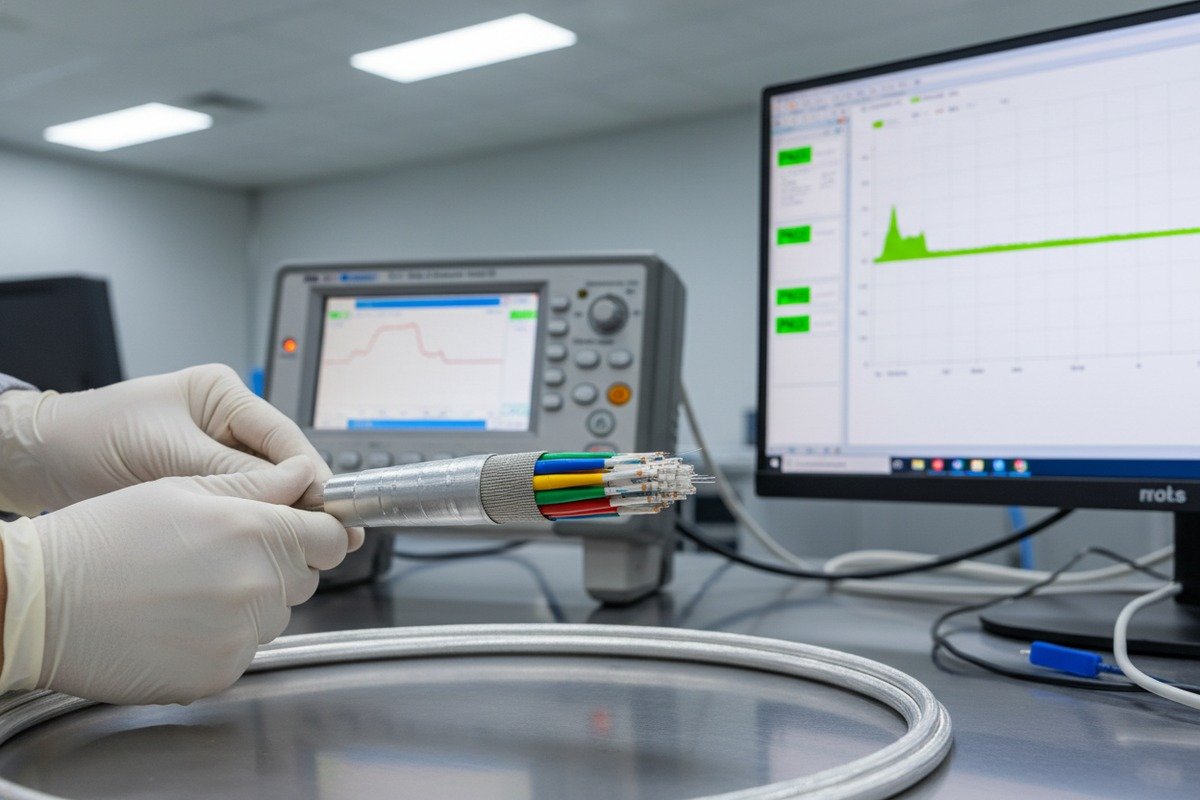
For most mid-range utility and telecom projects, 48-core ADSS cable offers better long-term cost-effectiveness than 24-core. The material cost difference is typically only 15–25%, but the 48-core option doubles your available capacity, delaying or eliminating the need for costly future re-cabling.
Breaking Down the Cost Components
When comparing 24-core and 48-core ADSS cables, it helps to separate the cost into three buckets: material, installation, and lifecycle.
Material cost is the price per kilometer of cable. Because the aramid yarn, jacket, and loose tubes make up the bulk of cable cost (fiber itself is a relatively small portion), doubling the core count does not double the price. Our 48-core cable typically costs 15–25% more per kilometer than our 24-core cable of the same span rating.
Installation cost is nearly identical for both. The same bucket truck, the same crew, the same pole hardware, and the same tensioning process are used whether the cable has 24 or 48 cores. Labor does not scale with core count.
Lifecycle cost is where the gap widens. If you install 24-core cable today and need to expand in five years, you must install a second cable. That means a second round of permits, labor, traffic management, and potential service outages. In our experience, this second installation often costs 3–5× the incremental price difference between 24-core and 48-core cable.
When 24-Core Makes More Sense
Not every project benefits from 48 cores. Here are scenarios where 24-core is the smarter pick:
- Short, fixed-endpoint links with no foreseeable expansion (e.g., a single point-to-point SCADA link between two substations).
- Budget-constrained pilot projects where proving the concept matters more than long-term capacity.
- Very long spans in heavy loading zones where every gram of weight and every millimeter of diameter matters. The lighter 24-core cable may allow you to avoid expensive pole upgrades.
- Low-voltage environments (≤110 kV) with simple PE sheathing requirements where the cost savings are meaningful at scale.
When 48-Core Is the Clear Winner
Most of our international clients end up choosing 48-core for these reasons:
- Multi-phase rollout plans where new substations, cell sites, or subscriber connections will be added over the next 5–10 years.
- Smart grid projects that will layer SCADA, protection relaying, video surveillance, and IoT sensors on the same cable.
- Government-funded infrastructure where the procurement guidelines require future-proofing and lifecycle cost analysis.
- Urban and suburban routes where pulling a second cable later is logistically difficult or politically sensitive.
Real-World Scenario
Consider a 30 km ADSS cable run along a 110 kV transmission line in a Southeast Asian country. The buyer needs 20 fibers today for SCADA and relay protection.
- Option A: 24-core ADSS at $1,800/km = $54,000 total material cost.
- Option B: 48-core ADSS at $2,150/km = $64,500 total material cost.
- Difference: $10,500.
If the buyer needs to add 20 more fibers in five years, a second 24-core installation on the same route would cost approximately $45,000–$60,000 in labor and materials combined. The $10,500 premium for 48-core cable today avoids that entirely.
Fiber Type Considerations
Both 24-core and 48-core cables can be loaded with G.652D (standard single-mode), G.655 (non-zero dispersion-shifted for long-haul), or G.657 (bend-insensitive for tight routing). The fiber type choice does not change the core count decision significantly. However, if your project involves dense urban routing with tight bends, G.657A2 fiber in a 48-core configuration gives you both capacity and bend flexibility—a combination we increasingly recommend for FTTx feeder applications.
Sheath Selection by Voltage
Your sheath type depends on the voltage environment, not the core count. But it is worth noting because it affects the overall cable cost:
- PE sheath: Standard for ≤35 kV environments. Most economical.
- AT (anti-tracking) sheath: Required for 35–220 kV. Adds 5–10% to cable cost.
- Double-jacket AT sheath: Mandatory for ≥220 kV or extreme weather. Adds 15–25% to cable cost.
When you combine a higher core count with a more protective sheath, costs compound. This is why it is important to get the voltage and environmental assessment right before you finalize the core count. Our sales engineers always request your route's voltage class, span profile, and climate data before quoting—so we can give you the most accurate and honest recommendation.
Conclusion
Choosing the right ADSS core count comes down to four factors: current demand, future growth, mechanical limits, and total lifecycle cost. Plan carefully, consult your cable supplier's engineering team, and invest in the capacity you will actually need.
Footnotes
1. Explains the design and purpose of ADSS fiber optic cables. ↩︎
2. Discusses factors influencing global broadband and bandwidth demand. ↩︎
3. Describes how fiber optics support advanced smart grid technologies. ↩︎
4. Explains the basic principle of using fiber pairs for bidirectional communication. ↩︎
5. Provides an overview of SCADA systems and their applications. ↩︎
6. Defines dark fiber and its use in telecommunications infrastructure. ↩︎
7. Replaced unknown HTTP status link with an authoritative article on 5G backhaul networks from a leading networking company. ↩︎
8. Explains the principles and applications of Quantum Key Distribution. ↩︎
9. Describes aramid fibers and their high-strength properties. ↩︎
10. Provides information on the National Electrical Safety Code's requirements for utility infrastructure. ↩︎