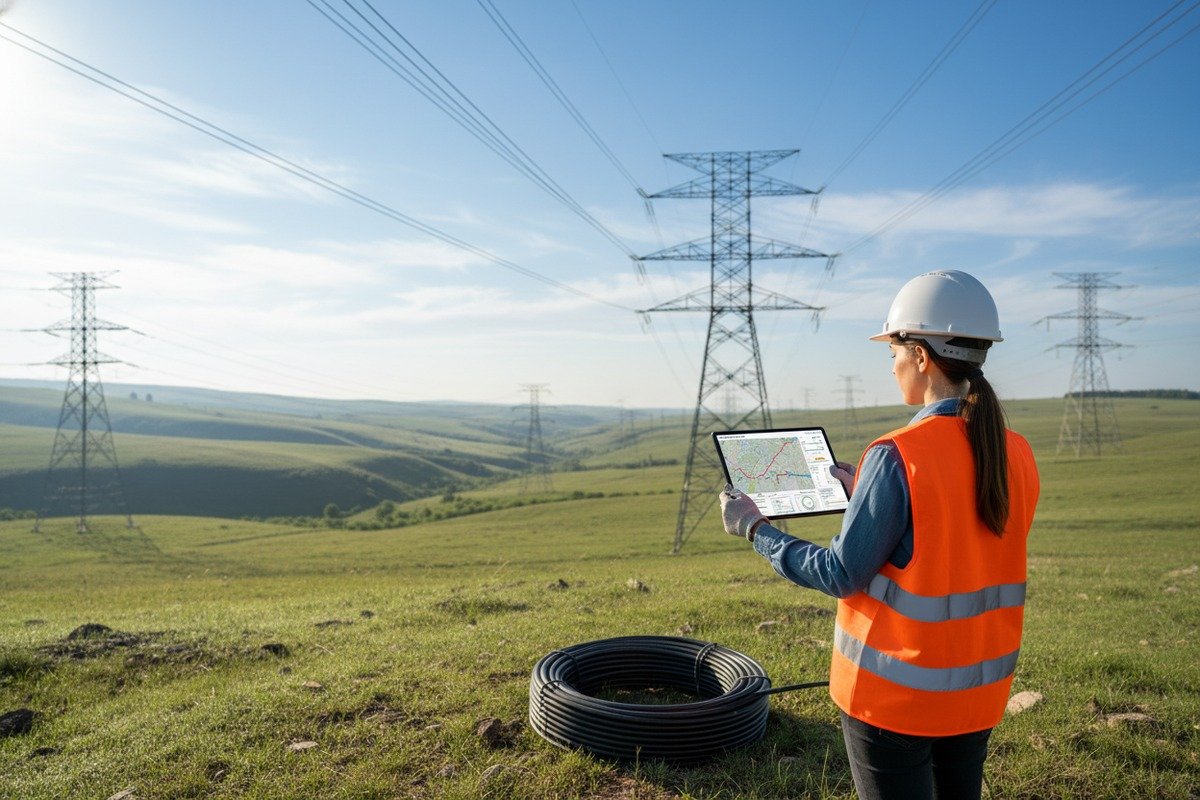
Every year, our engineering support team handles dozens of cases where buyers chose the wrong ADSS span rating 1 for their project site. The cable either sagged dangerously between poles or snapped under ice load within months. These failures cost far more than the cable itself—they stall construction schedules, idle installation crews, and sometimes damage adjacent power infrastructure.
To match ADSS fiber optic cable span design to your installation environment, you must evaluate pole spacing, wind and ice loads, voltage levels, and terrain before selecting the cable type. Single jacket cables suit short urban spans, while double jacket designs handle long-span, high-stress transmission corridors. Always request mechanical calculations from your supplier.
This guide walks you through the key decisions step by step double jacket designs 2. We will cover how to determine span length, assess environmental loads 3, verify aramid yarn strength, and request the right technical data from your cable supplier. Let's start with the most fundamental question.
How do I determine the correct span length for my specific power line pole distances?
Getting the span length wrong is the single most expensive mistake in ADSS procurement aramid yarn strength 4. Our sales engineers see it happen regularly—buyers order a 200 m rated cable for a 350 m crossing, then wonder why the cable sags into the road below.
The correct span length for your ADSS cable must match or exceed the longest distance between any two consecutive support structures on your route. Measure every pole-to-pole gap, identify the maximum span, then select a cable rated for that distance with an appropriate safety margin.
Why Pole Spacing Varies More Than You Think
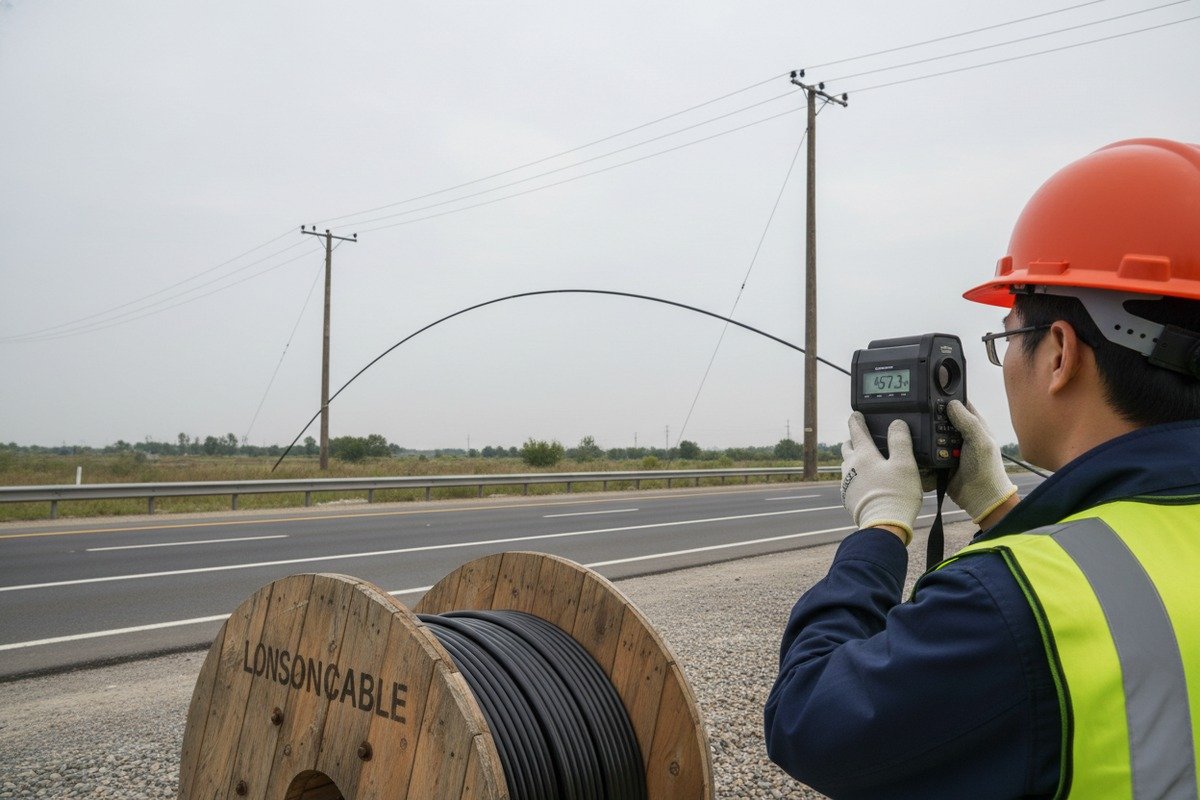
Many buyers assume their pole distances are uniform. In reality, pole spacing changes due to road crossings, river crossings, terrain obstacles, and historical construction decisions. A route might average 120 m between poles but include two spans of 280 m at a river crossing. If you buy cable rated for 200 m spans, those two long crossings will fail.
Before you contact any supplier, walk (or survey) the entire route. Record every span distance. Identify the longest span, the shortest span, and the average span. This data drives your entire cable specification.
Span Categories and Cable Types
ADSS cables fall into clear span categories. Here is how they align with typical applications:
| Span Category | Distance Range | Typical Application | Recommended Cable Type |
|---|---|---|---|
| Short span | Up to 100 m | Urban distribution, FTTH drops | ADSS-S (single jacket) |
| Medium span | 100–300 m | Suburban and rural distribution | ADSS-S or ADSS-D |
| Long span | 300–700 m | Transmission line underbuild | ADSS-D (double jacket) |
| Extra-long span | 700–1,500 m+ | River/valley crossings, HV corridors | ADSS-D (heavy-duty) |
On our production line, we manufacture ADSS-S cables in 50 m, 100 m, and 200 m span ratings. Our ADSS-D cables cover 100 m through 700 m spans in 100 m increments. For special crossings beyond 700 m, our design team runs custom mechanical calculations 5.
Don't Forget Hardware Limitations
Even if your cable can handle a 600 m span, your installation hardware might not. Standard suspension clamps typically max out around 180 m (600 feet). Spans beyond that require suspension clamps with support rods, which extend the limit to roughly 360 m (1,200 feet). For longer spans, you need specialized dead-end hardware and may need intermediate support points.
Always confirm with your supplier that the hardware package matches the cable span rating. We ship matched hardware kits with every ADSS order to prevent this mismatch.
A Simple Decision Rule
If your longest span is under 200 m and your voltage environment is below 35 kV, a single jacket ADSS-S cable will usually work fine. If any span exceeds 200 m, or if you face heavy ice or wind loads, move to a double jacket ADSS-D cable. When in doubt, go one span rating higher than your measured maximum. The cost difference is small compared to a field failure.
What environmental factors like wind and ice loads must I consider for my ADSS cable design?
When we export ADSS cable to customers in the northern United States or high-altitude regions of Latin America, the conversation always moves quickly from fiber count to weather. Environmental loads can double or triple the mechanical stress on an aerial cable.
Wind speed, ice accumulation, temperature extremes, and UV radiation are the four critical environmental factors. High wind increases lateral force on the cable. Ice adds weight and diameter. Temperature swings change cable tension. UV degrades unprotected jacket materials. Each factor must be quantified for your specific site before selecting cable specifications.
Wind Load: The Invisible Force
Wind acts on the entire exposed surface of the cable. The wider the cable diameter and the longer the span, the greater the total wind force. Wind load is calculated using your regional maximum wind speed, cable outer diameter, and span length.
Most design standards use a reference wind speed—often the 50-year return period maximum gust for your region. In the southeastern United States, this might be 150 km/h due to hurricanes. In the Midwest, 120 km/h might suffice. In coastal Philippines or Caribbean islands, you may need to design for 200 km/h or more.
Double jacket cables have a larger outer diameter than single jacket cables 6. This means they catch more wind. However, they also have higher tensile strength to compensate. The net effect depends on the specific design, which is why you need your supplier to run the calculation, not just pick a catalog number.
Ice Load: The Hidden Weight
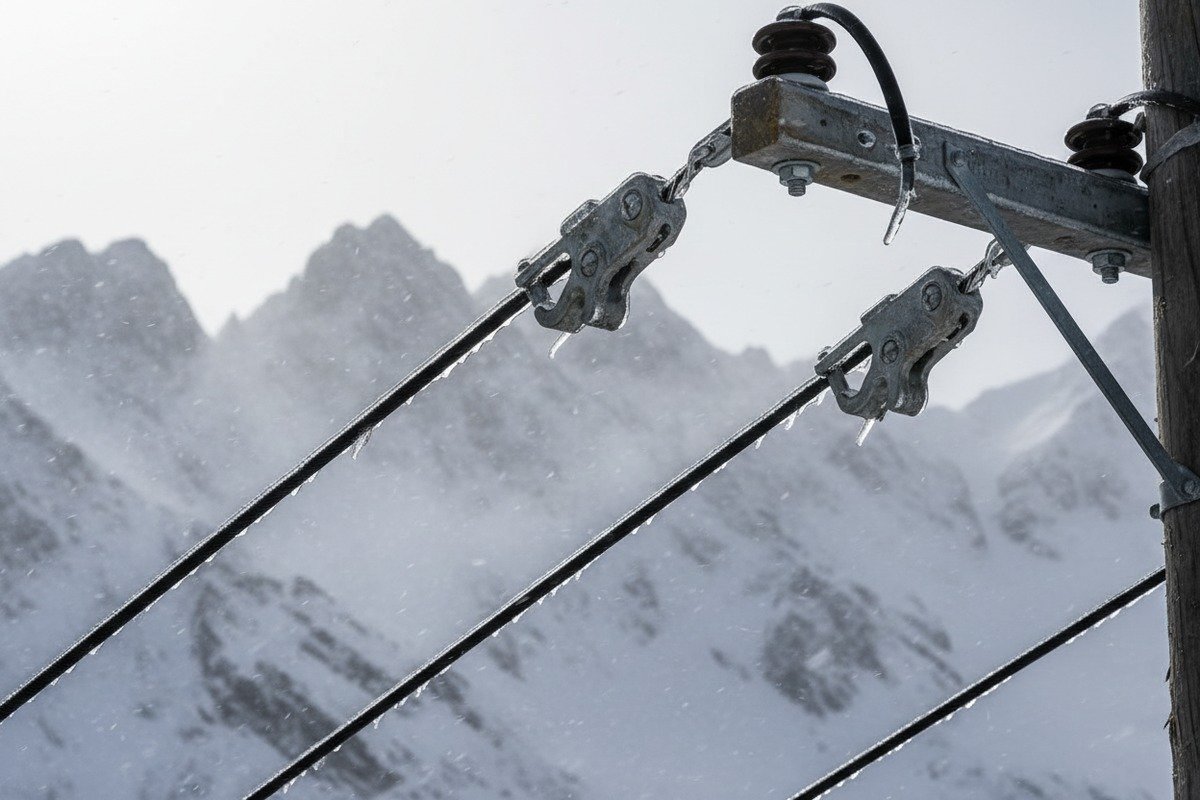
Ice accumulation is the most dangerous load for ADSS cables. A thin layer of ice around the cable can increase its effective weight by 200% to 400%. Combined with wind on the ice-covered surface, the mechanical stress can exceed the cable's rated tensile strength 7.
Ice loading is classified by region. Here is a simplified overview:
| Ice Load Class | Radial Ice Thickness | Typical Regions | Impact on Cable Design |
|---|---|---|---|
| Light | 0–6 mm | Tropical, subtropical, low altitude | Minimal; standard cable usually sufficient |
| Medium | 6–12 mm | Temperate zones, moderate altitude | Requires increased tensile strength |
| Heavy | 12–25 mm | Northern climates, high altitude | Double jacket with high aramid yarn count |
| Severe | 25 mm+ | Mountain passes, extreme cold zones | Custom heavy-duty design required |
When we design cables for customers in northern Europe or Canada, we always ask for the local ice loading standard. If the buyer doesn't know, we request the geographic coordinates and look it up against regional meteorological data.
Temperature Effects
ADSS cables expand and contract with temperature. In hot climates, the cable elongates, increasing sag. In cold climates, it contracts, increasing tension. A cable installed at 25°C that experiences -30°C winters will see a significant tension increase.
Your supplier should calculate sag and tension at three temperatures: the minimum expected temperature, the installation temperature, and the maximum expected temperature. If the cable meets mechanical limits at all three, it will perform safely year-round.
UV and Chemical Exposure
UV radiation 8 breaks down polyethylene jacket material over time. High-quality ADSS cables use carbon black or UV stabilizers in the outer sheath to resist this degradation. In our production process, we add UV stabilizer compounds directly into the PE sheath material and test to a minimum of 720 hours accelerated UV exposure.
In areas near industrial facilities, chemical pollutants in the air can accelerate jacket degradation. If your installation runs near chemical plants, refineries, or heavy traffic corridors, mention this to your supplier so they can recommend appropriate jacket compounds.
How can I ensure the manufacturer uses enough aramid yarn to support my required installation tension?
This question hits close to home. One of the most common concerns we hear from experienced procurement managers—especially those who have been burned by a low-cost supplier—is whether the cable actually contains the aramid yarn specified on the data sheet. Aramid yarn is the most expensive raw material in an ADSS cable. It is also the most tempting place for a dishonest factory to cut corners.
To verify adequate aramid yarn content, request the cable's rated tensile strength (RTS), maximum allowable tension (MAT), and everyday stress (EDS) values. Then ask for a cross-section diagram showing the aramid yarn count and denier. Finally, require factory test reports—including tensile testing results—and consider third-party lab verification for critical projects.
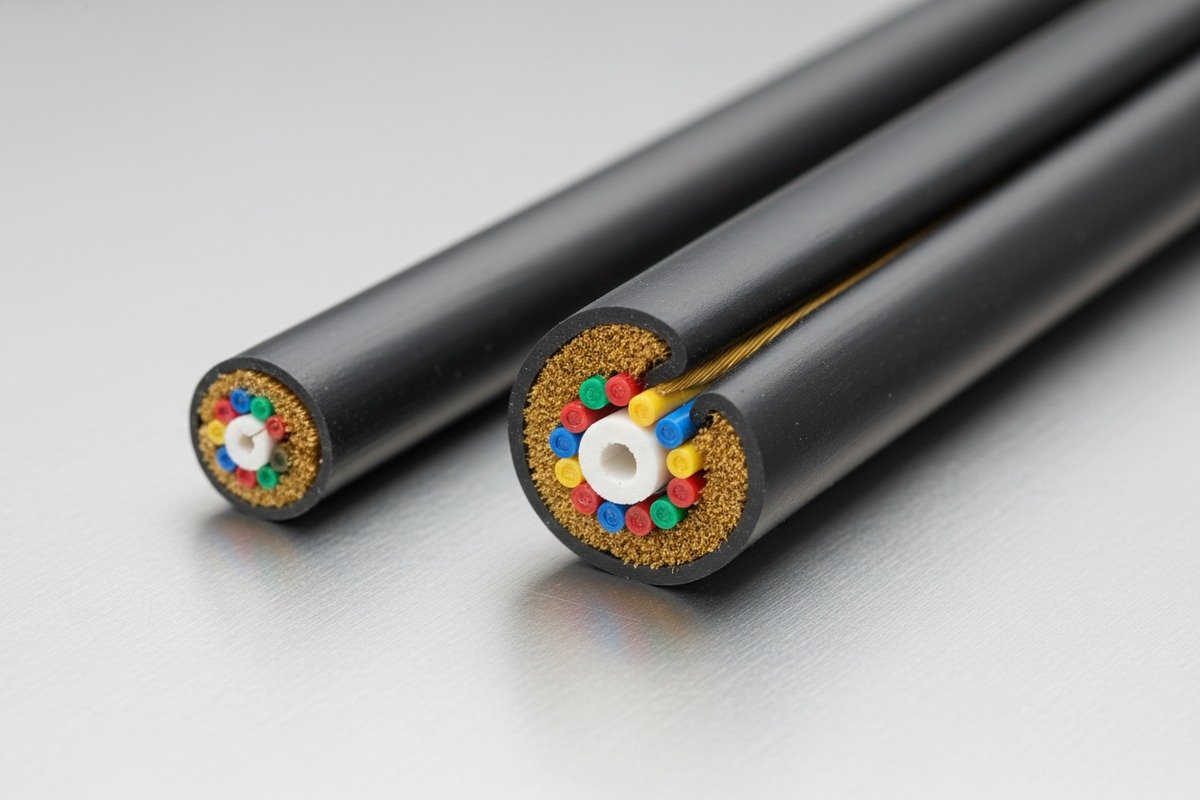
Understanding Aramid Yarn's Role
Aramid yarn (commonly known by brand names like Kevlar or Twaron) provides all the tensile strength in an ADSS cable. Unlike metallic cables, ADSS has no steel messenger or strength member. The aramid layer alone carries the cable's weight, wind load, ice load, and installation tension. If the aramid is insufficient, the cable will stretch, sag, or break.
The amount of aramid yarn is specified in kilotex (kN-rated bundles) or by the number of yarn ends and their denier. More yarn means higher tensile strength—and higher cost. A cable designed for a 400 m span needs significantly more aramid than one designed for 100 m.
Key Mechanical Parameters to Request
When you ask a supplier for a quotation, demand these specific values:
| Parameter | Abbreviation | What It Tells You |
|---|---|---|
| Rated Tensile Strength | RTS | Maximum load before cable breaks |
| Maximum Allowable Tension 9 | MAT | Highest tension permitted during installation (usually 40–60% of RTS) |
| Everyday Stress / Ultimate Operating Tension | EDS / UES | Normal operating tension under everyday conditions (usually 20–25% of RTS) |
| Short-term Load Tension | — | Maximum tension under combined wind and ice loads |
If the supplier cannot provide these values for your specific span and environment, that is a red flag. At our facility, we generate a stringing chart for every project that shows sag and tension at multiple temperatures and load conditions. This is standard engineering practice, not a special request.
How to Spot Material Downgrading
Material downgrading is a real risk in the ADSS market. Here are practical ways to protect yourself:
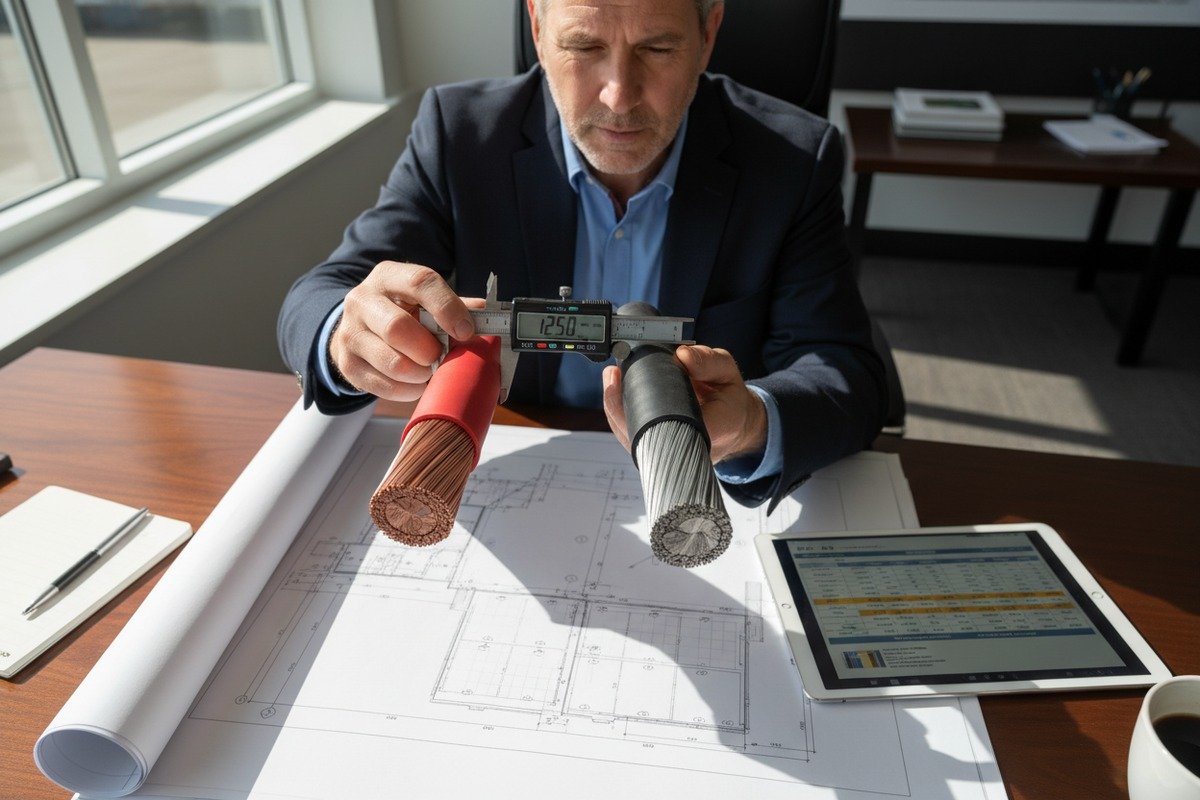
Request a cable cross-section diagram. This drawing should show the number of aramid yarn bundles, their arrangement around the cable core, and the yarn specification (denier and type). Compare this across multiple supplier quotes. If one supplier's cable is significantly lighter per meter for the same span rating, they may be using less aramid.
Check the cable weight per kilometer. For a given fiber count and span rating, ADSS cables from different quality manufacturers should have similar weight. A cable that is 15–20% lighter than competitors likely has less aramid yarn inside.
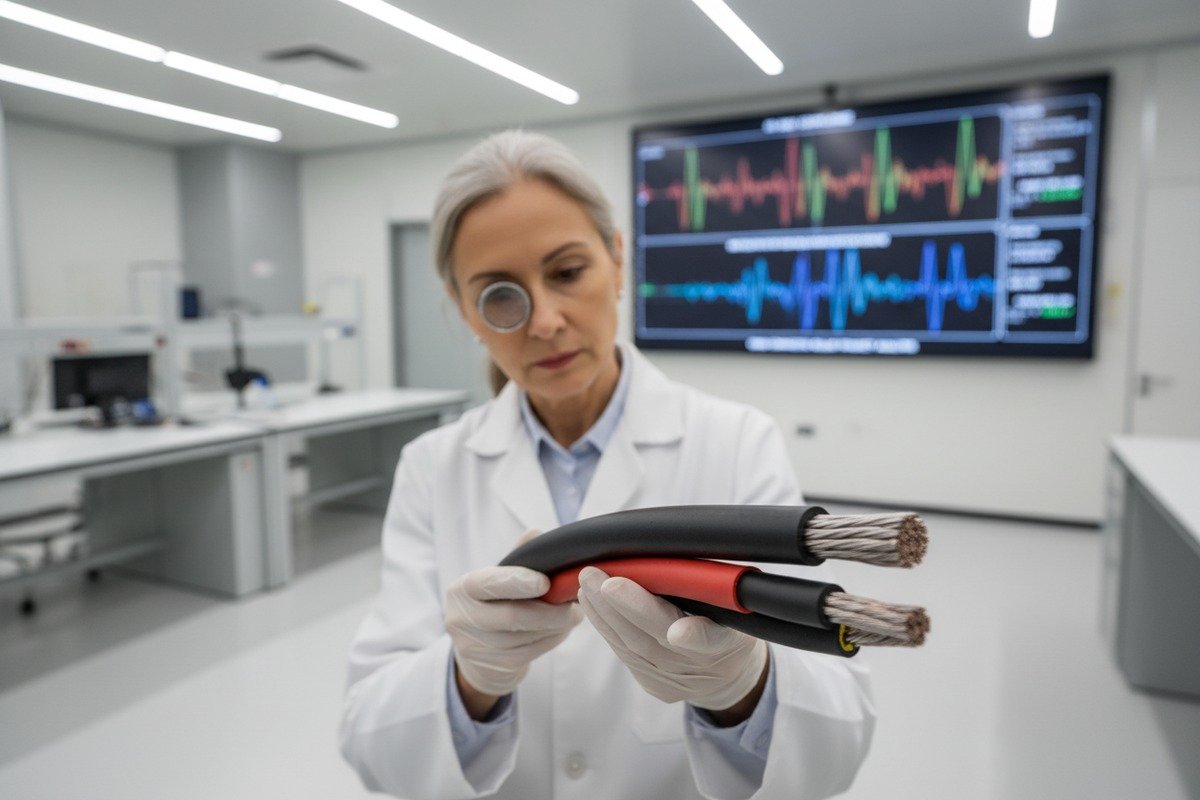
Ask for factory tensile test reports. Reputable manufacturers pull samples from every production run and test them to destruction. The test report should show the actual breaking strength, which must meet or exceed the rated tensile strength. Our quality control team tests every production drum and provides the report to the customer before shipment.
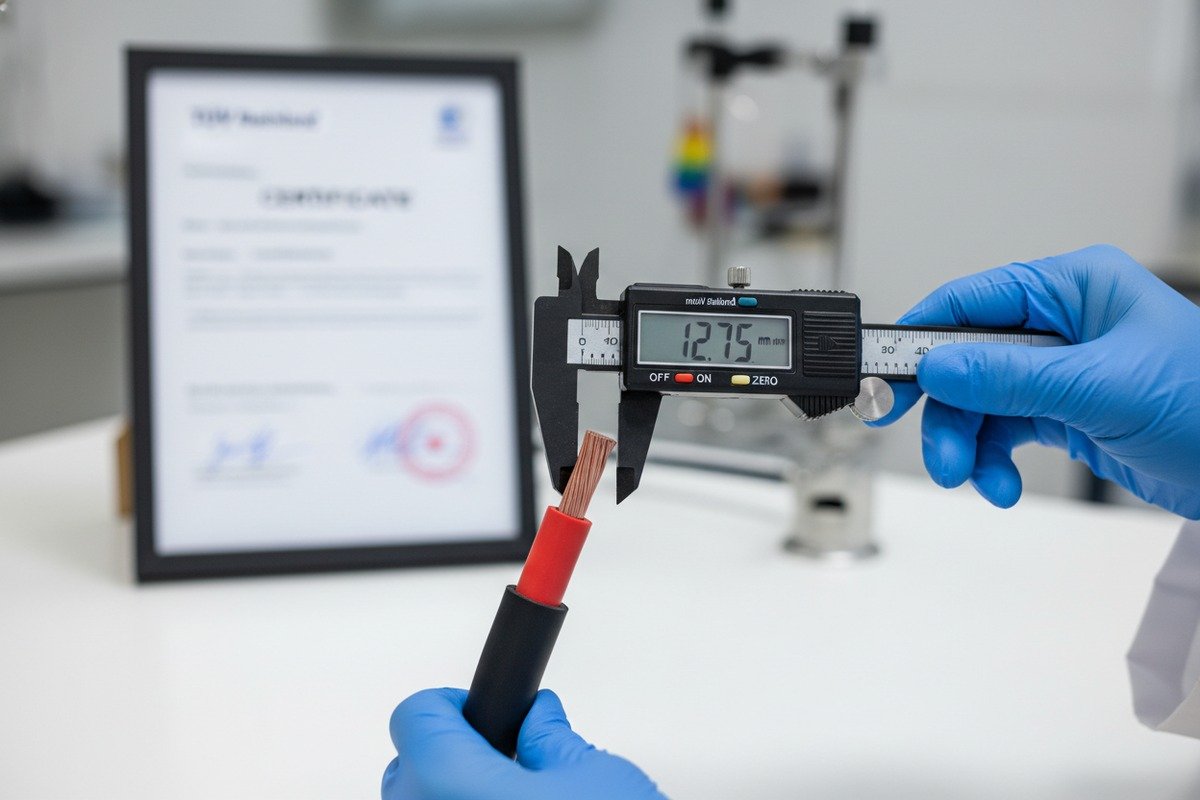
Consider third-party testing. For large or critical projects, send a cable sample to an independent lab. A simple tensile test will confirm whether the cable meets its rated strength. This small investment can save you from a catastrophic field failure.
Why Cheaper Is Not Always Cheaper
A cable with 20% less aramid yarn might cost 10–15% less upfront. But if it fails in the field, the cost of a new cable, a new installation crew, construction delays, and potential damage to adjacent power lines will exceed the original savings many times over. Our recommendation to every buyer: set your mechanical requirements first based on your actual environmental loads, then compare prices among cables that genuinely meet those requirements.
What technical calculations should I ask my supplier for to prevent cable sagging or breakage in my climate?
In our experience exporting to over 30 countries, the single biggest differentiator between a smooth ADSS installation and a failed one is whether proper engineering calculations were done before ordering. Too many buyers treat ADSS cable like a commodity—they specify fiber count, pick a span rating from a catalog, and place an order. That works in ideal conditions. It fails in the real world.
Ask your supplier for a complete sag-tension calculation (stringing chart) covering your specific span lengths, local wind speed, ice loading, and temperature range. Also request the cable's catenary profile, maximum sag at highest temperature, maximum tension at lowest temperature with ice load, and vibration fatigue analysis for long spans.
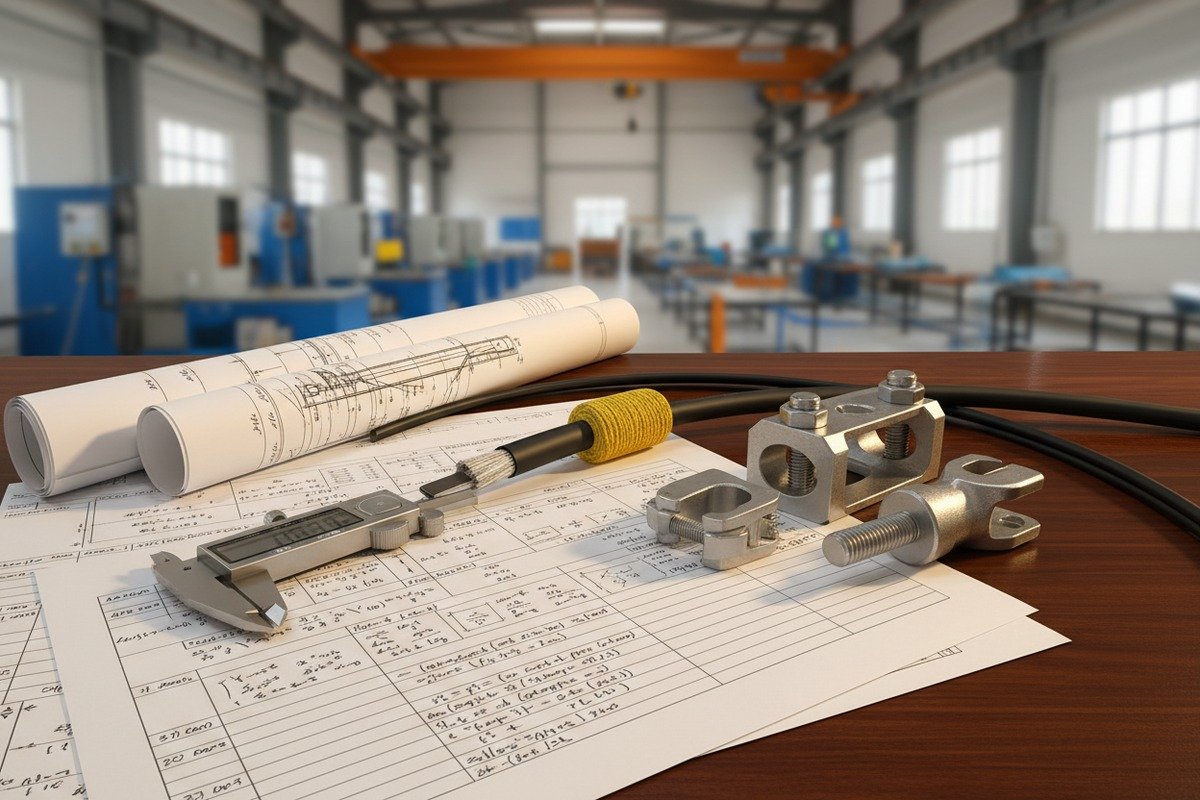
The Sag-Tension Calculation Explained
A sag-tension calculation 10 (also called a stringing chart) is the foundation of every aerial cable installation. It uses the cable's physical properties—weight, diameter, elastic modulus, thermal expansion coefficient, and rated tensile strength—along with your site conditions to calculate how the cable will behave at every temperature and load combination.
The output is a table showing the expected sag and tension at multiple conditions. Here is a simplified example of what you should expect to receive:
| Condition | Temperature | Ice (mm) | Wind (km/h) | Sag (m) | Tension (kN) | % of RTS |
|---|---|---|---|---|---|---|
| Minimum temp, no load | -20°C | 0 | 0 | 3.2 | 8.1 | 38% |
| Everyday, no load | 15°C | 0 | 0 | 4.8 | 5.4 | 25% |
| Maximum temp, no load | 50°C | 0 | 0 | 6.1 | 4.3 | 20% |
| Combined ice + wind | -10°C | 12 | 100 | 4.5 | 12.7 | 59% |
| Maximum wind, no ice | 15°C | 0 | 150 | 5.0 | 10.2 | 47% |
This table tells you whether the cable will stay within safe operating limits across all seasons. The tension should never exceed the MAT (typically 40–60% of RTS) under any load condition. The sag should never bring the cable below the minimum ground clearance required by local electrical codes.
What If Your Supplier Cannot Provide This?
If a supplier cannot produce a sag-tension calculation for your specific project parameters, they are either a trading company reselling someone else's cable or a factory without qualified cable design engineers. Either way, you are taking a significant risk.
At our facility, our cable design team uses industry-standard calculation software. We input the customer's span length, pole height difference, attachment height, wind speed, ice load, and temperature range. The output includes sag-tension tables, stringing charts for installation crews, and recommended hardware specifications. We provide this at no additional cost because it is an essential part of proper cable supply—not an optional add-on.
Vibration and Fatigue Analysis for Long Spans
For spans exceeding 300 m, aeolian vibration becomes a concern. Low-speed steady winds cause the cable to vibrate at high frequency, creating fatigue stress at the attachment points. Over months or years, this vibration can crack the aramid yarn or damage fibers inside the cable.
If your project includes long spans in areas with steady wind exposure (open plains, ridgelines, coastal areas), ask your supplier about vibration dampers and their recommendation for maximum span length without dampers. Our engineering team provides vibration analysis as part of the design package for any span exceeding 400 m.
Voltage and Tracking Resistance
While not a mechanical calculation, voltage environment analysis is equally critical. If your ADSS cable runs alongside power lines carrying 69 kV or higher, you must specify an anti-tracking (AT) jacket. The electric field in high-voltage environments causes dry-band arcing on the cable surface, which erodes standard PE jackets within a few years.
Ask your supplier to confirm the voltage level of the power line where the cable will be installed. If it exceeds 69 kV, insist on an AT-sheathed ADSS cable and ask for documentation of the sheath material's tracking resistance test results per IEC 60587 or equivalent standards.
Putting It All Together
The ideal technical package from your supplier should include:
- Sag-tension calculation for all specified spans
- Stringing chart with recommended installation tensions at various temperatures
- Cable cross-section drawing with material specifications
- Mechanical parameter sheet (RTS, MAT, EDS)
- OTDR test report for optical performance
- Jacket material test reports (UV, tracking resistance if applicable)
- Recommended hardware list matched to your cable and span
If you receive all of these, you can install with confidence. If any are missing, ask why—and consider whether that supplier is truly capable of supporting your project.
Conclusion
Matching ADSS cable span design to your installation environment is a systematic engineering process, not a catalog selection exercise. Measure every span, quantify your environmental loads, verify aramid yarn content, and demand full technical calculations from your supplier. The right cable partner will provide all of this as standard practice—because your project's success depends on it.
Footnotes
1. Explains the importance of selecting the correct ADSS cable span rating for project success. ↩︎
2. Describes the use and benefits of double jacket ADSS cables for high-stress environments. ↩︎
3. Details how environmental factors like wind and ice significantly impact ADSS cable performance. ↩︎
4. Highlights the critical role of aramid yarn in providing tensile strength to ADSS cables. ↩︎
5. Emphasizes the necessity of requesting mechanical calculations for cable design. ↩︎
6. Provides details on the application and characteristics of single jacket ADSS cables. ↩︎
7. Defines Rated Tensile Strength (RTS) as a key mechanical parameter for cable integrity. ↩︎
8. Explains the impact of UV radiation on cable jacket degradation and the need for protection. ↩︎
9. Defines Maximum Allowable Tension (MAT) as a critical limit during ADSS cable installation. ↩︎
10. Explains the principles of sag and tension in ADSS cables and how they relate to mechanical loading and environmental factors. ↩︎